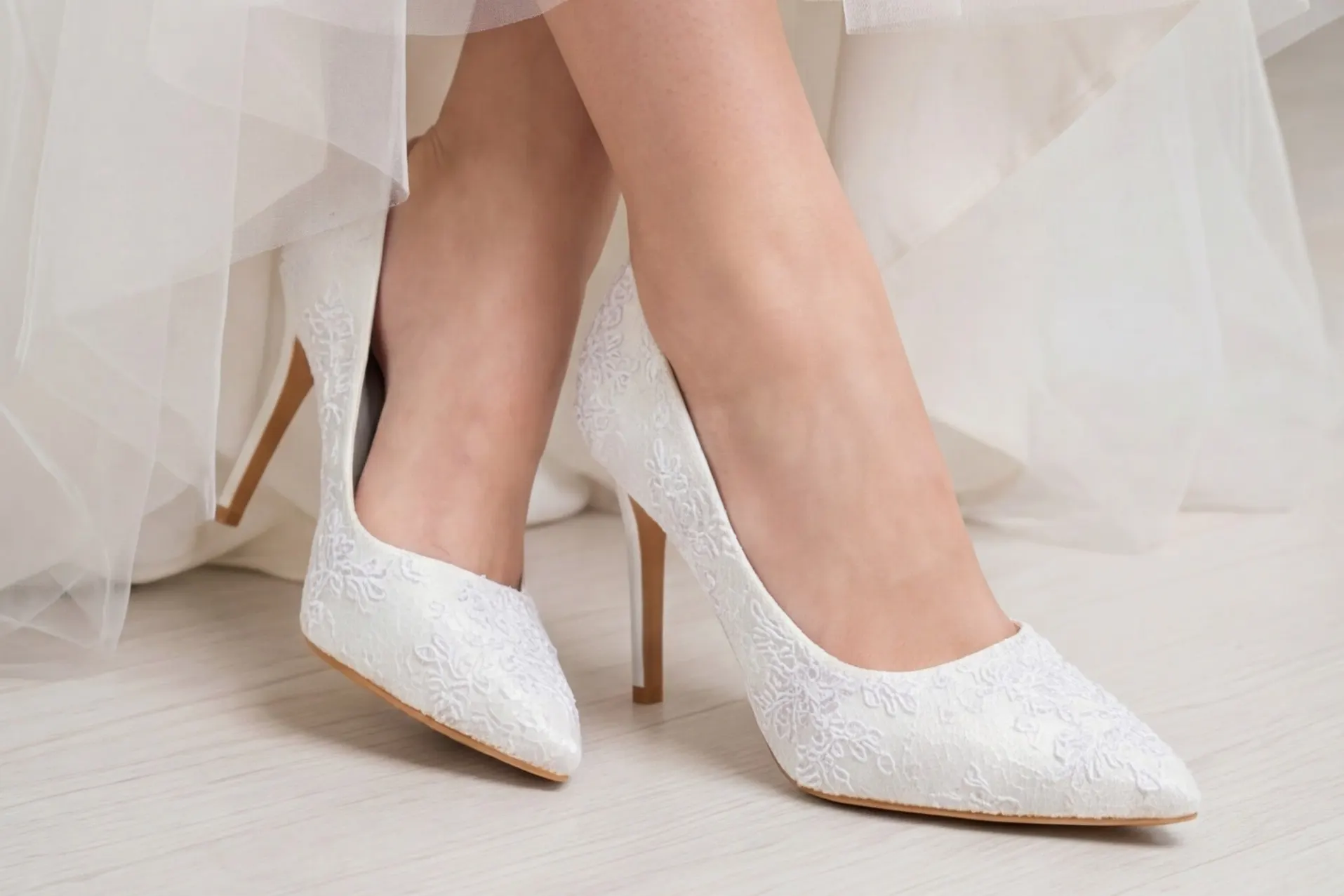
LACE WEDDING SHOES
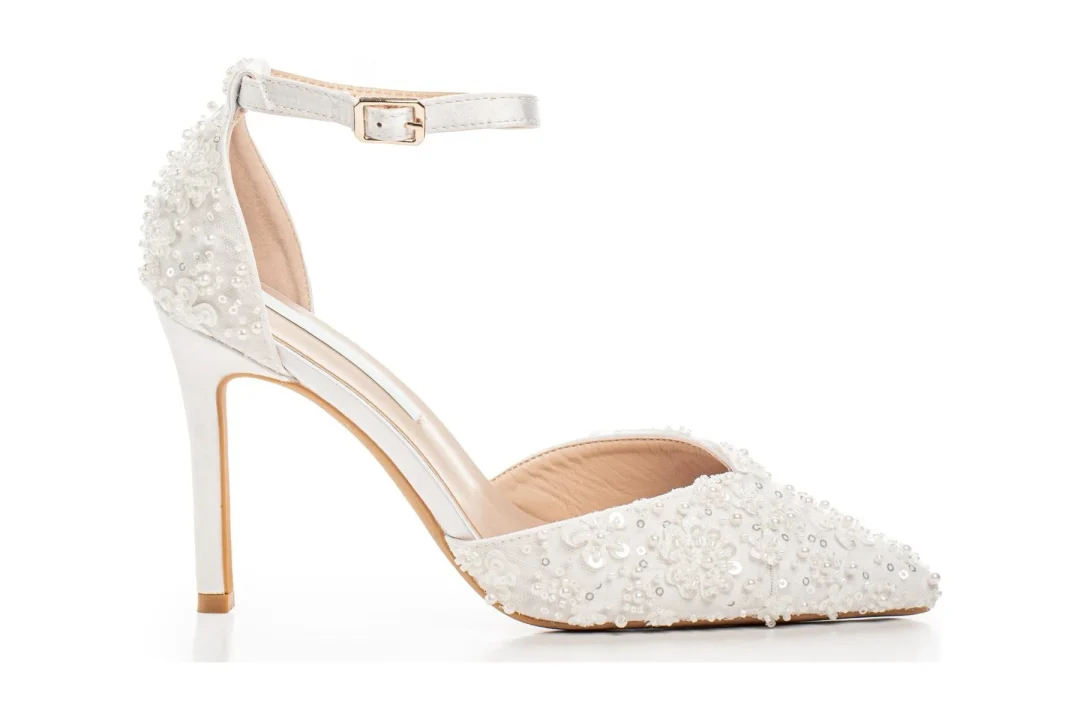
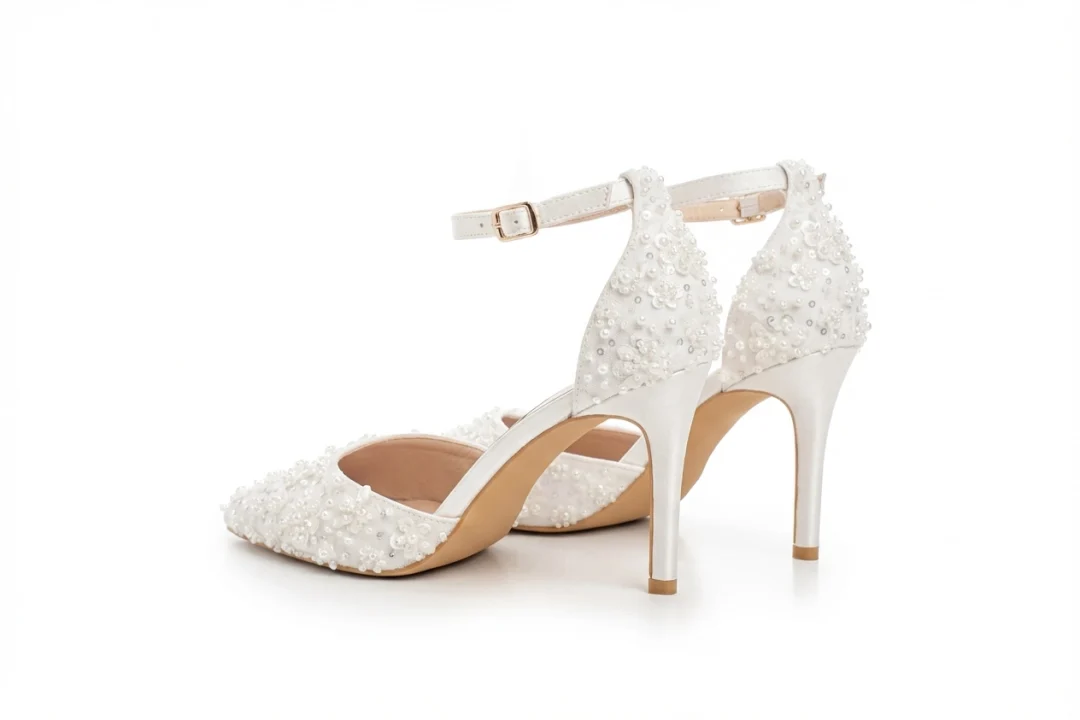
Bridal Heels with French & Italian Lace Appliqués
Showing all 15 results

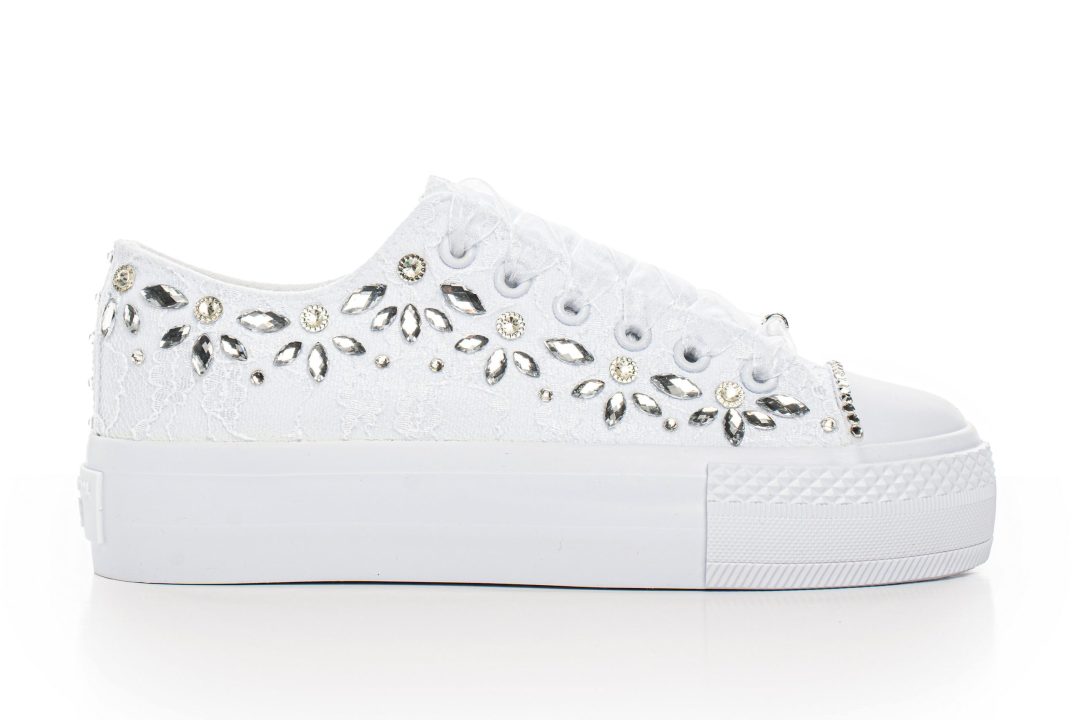
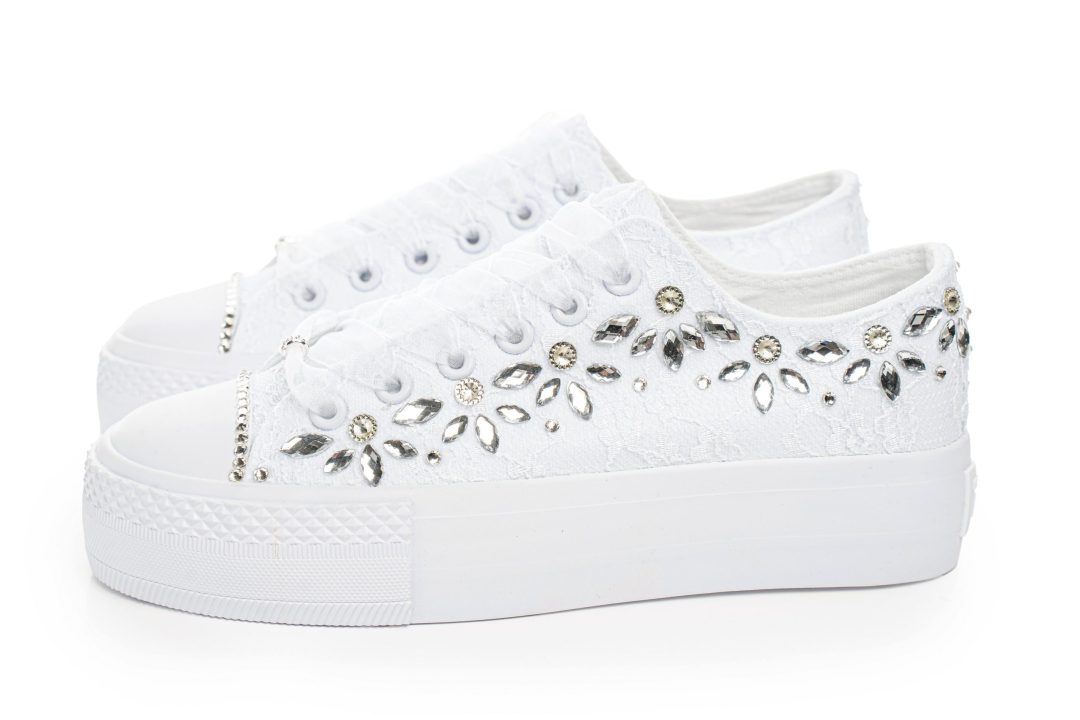
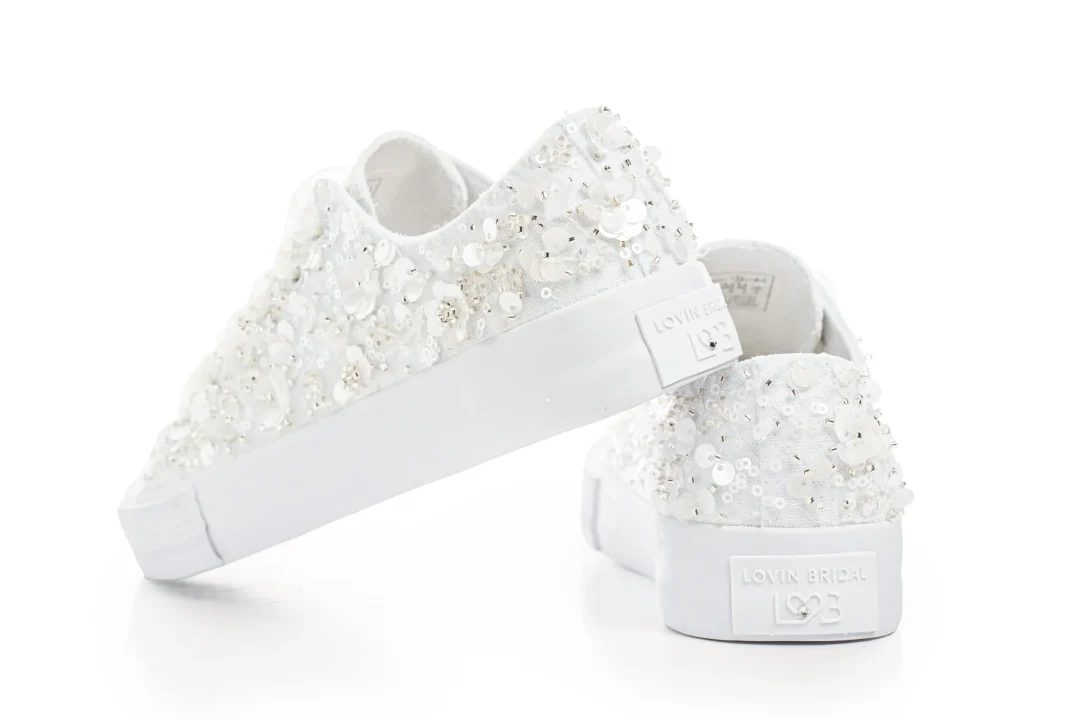
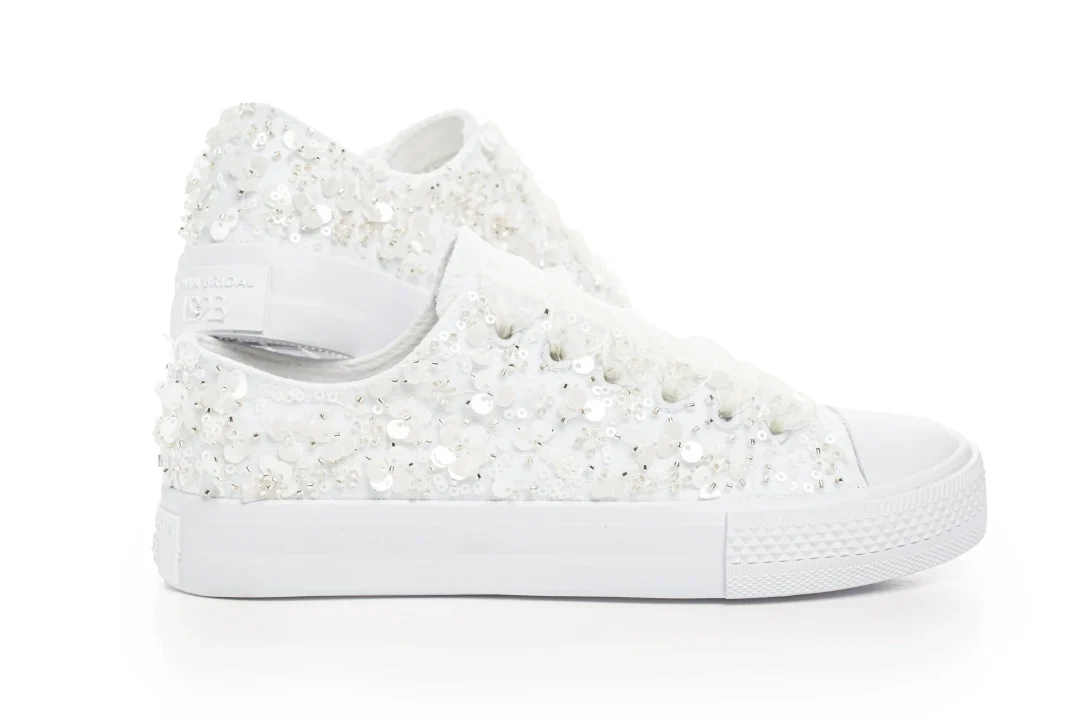
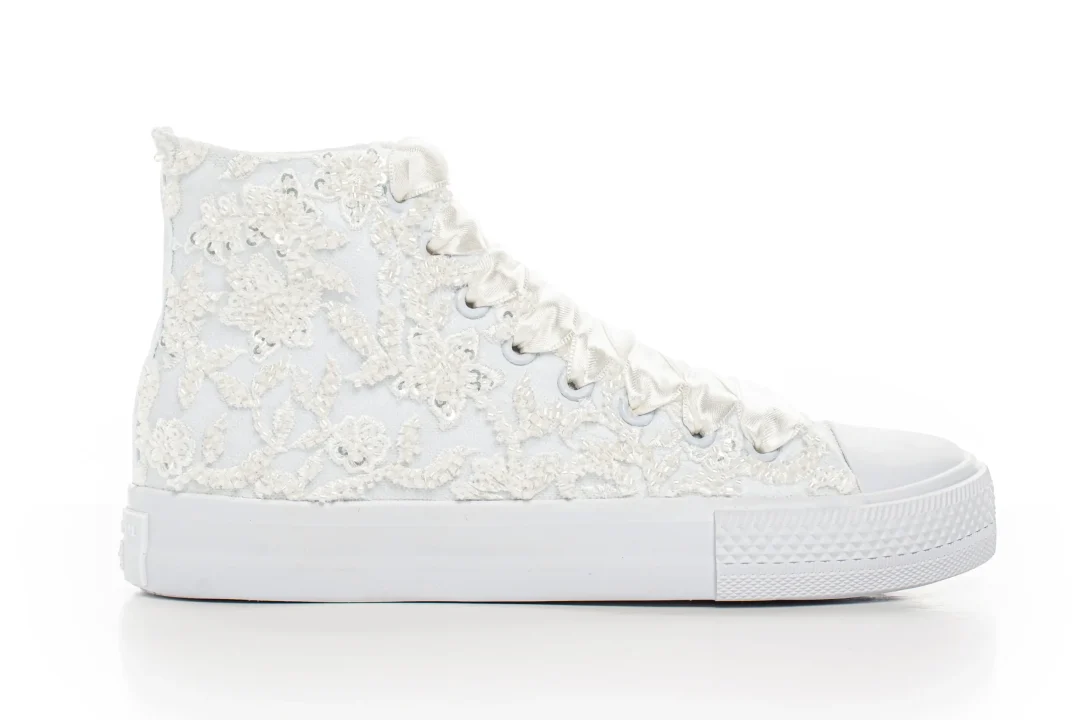
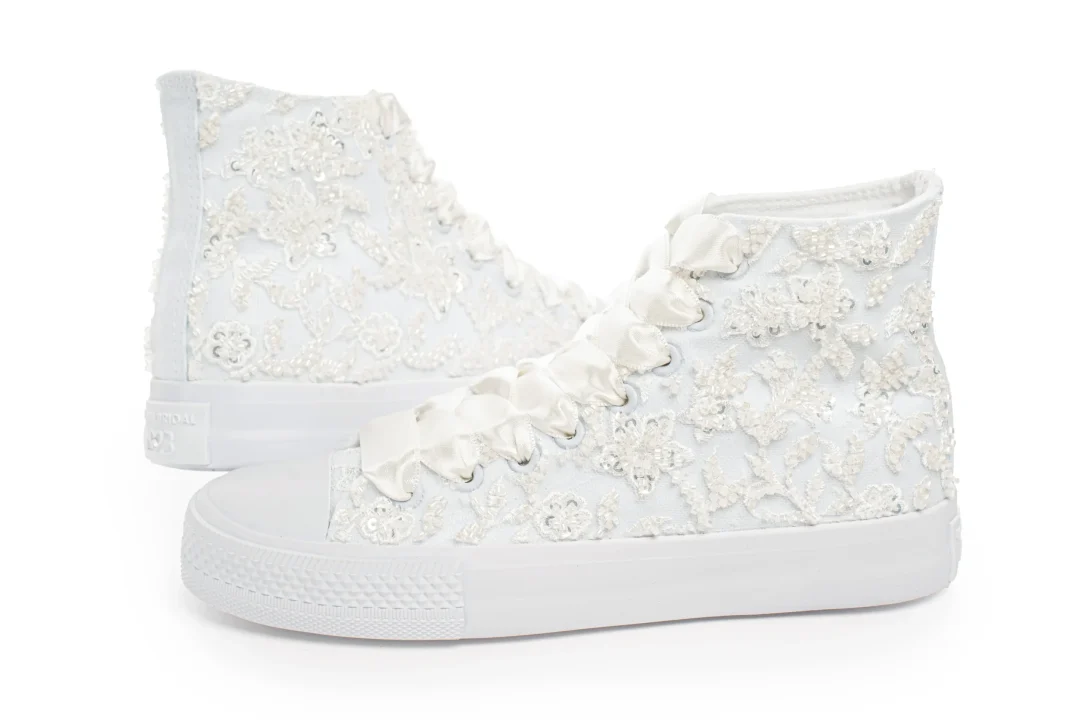
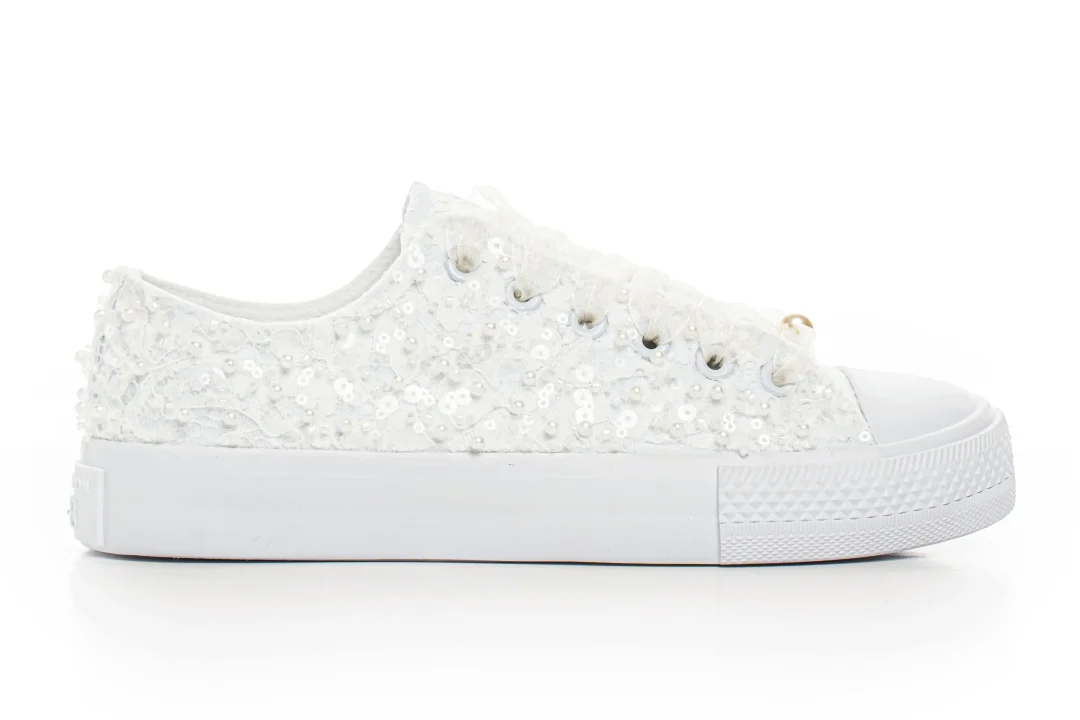
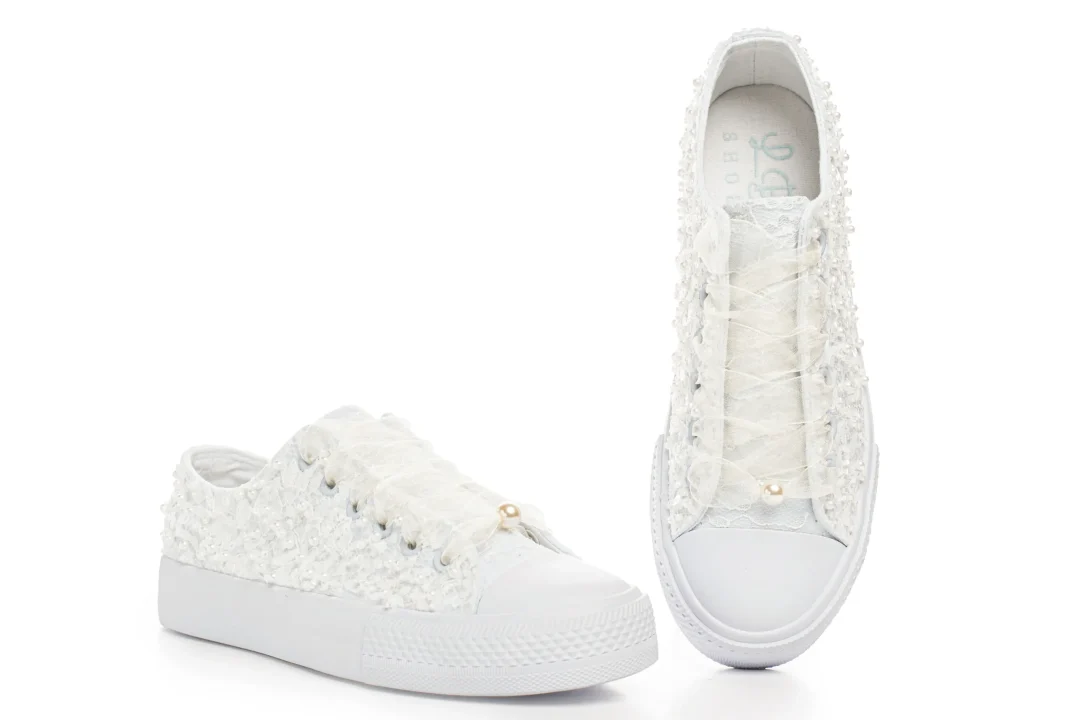
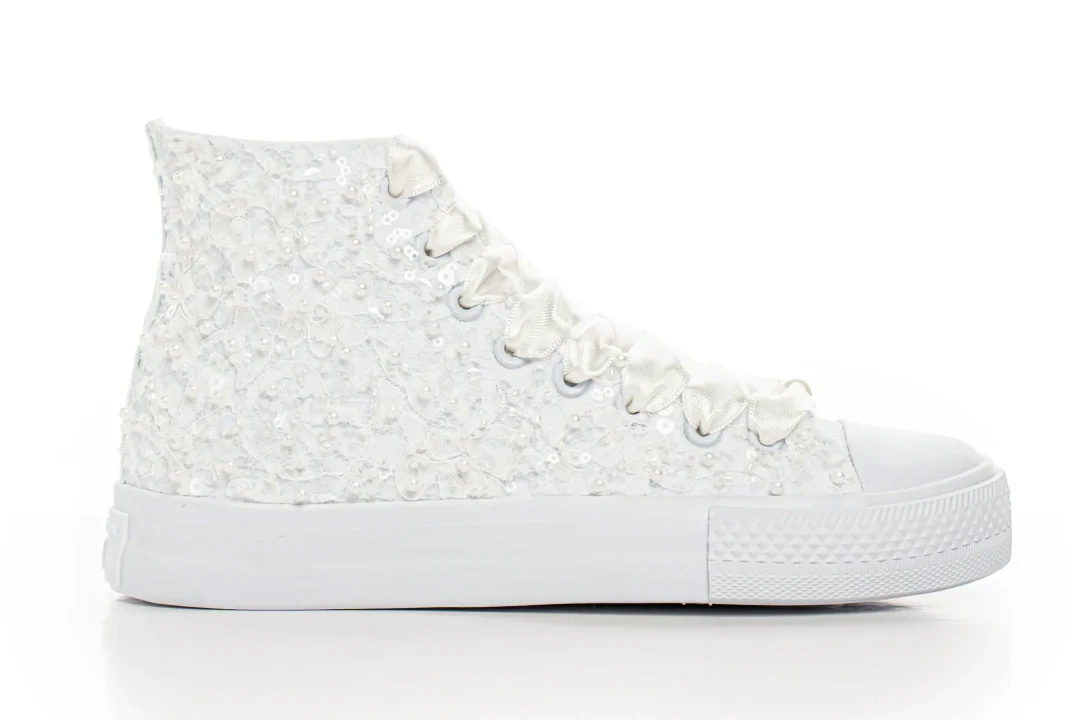
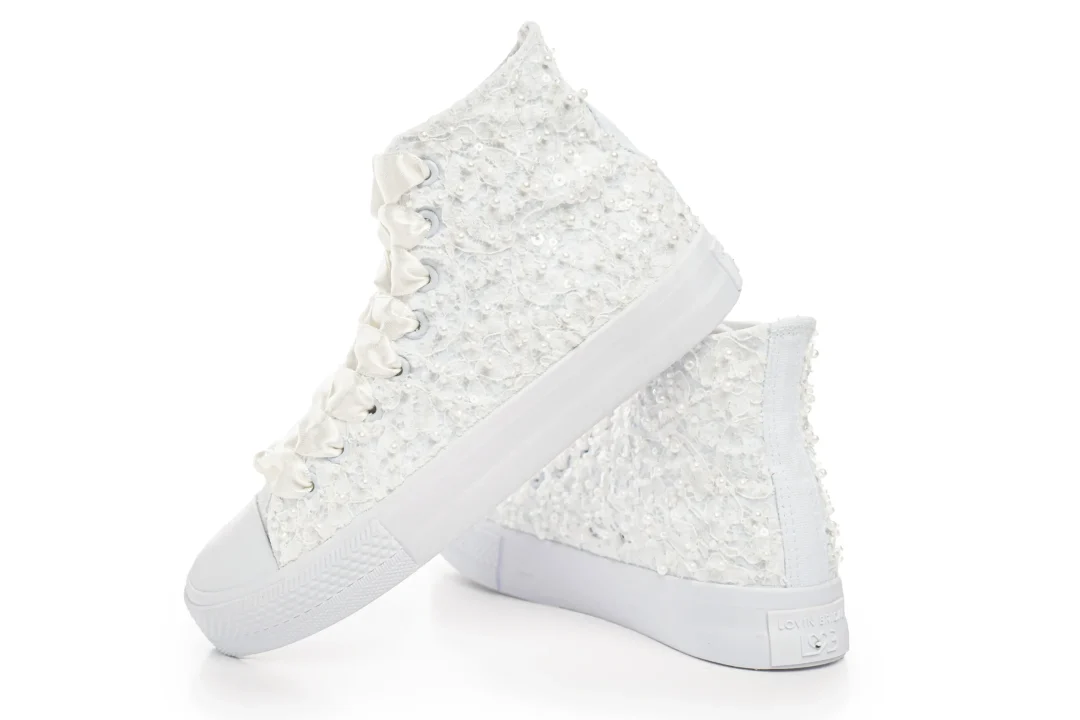
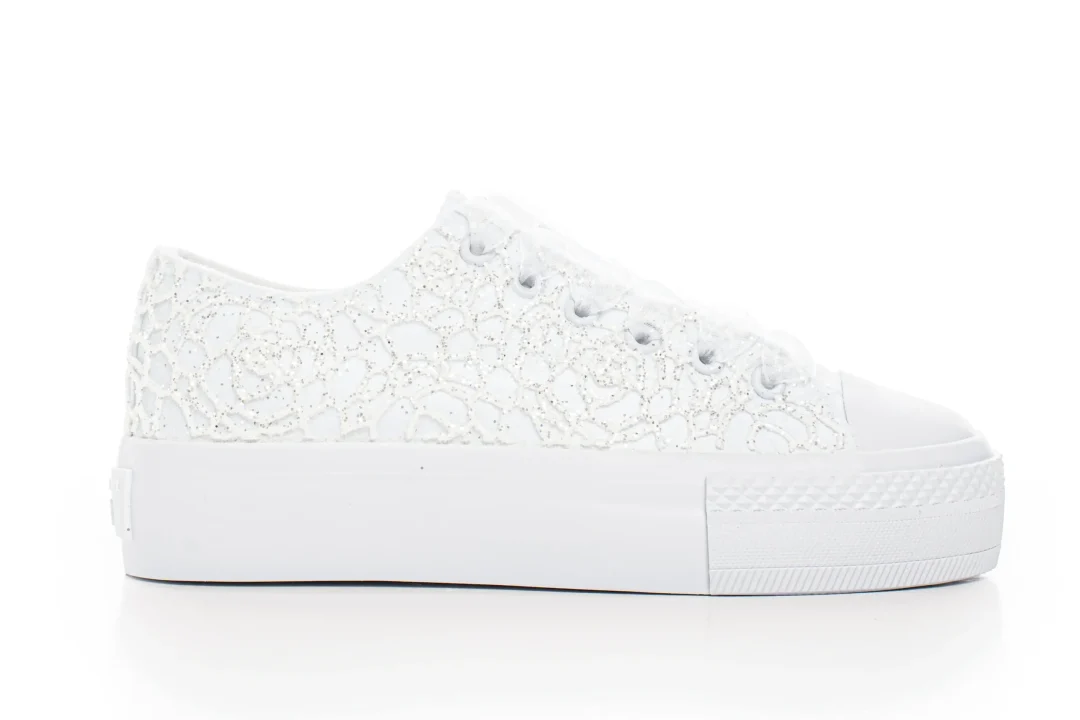
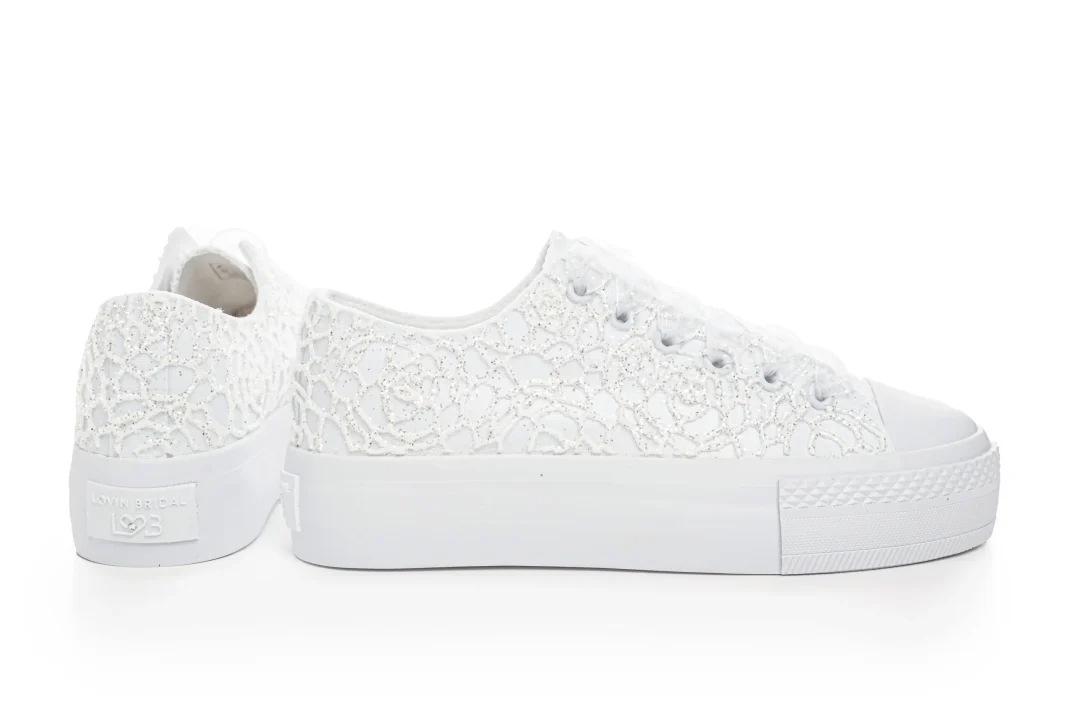
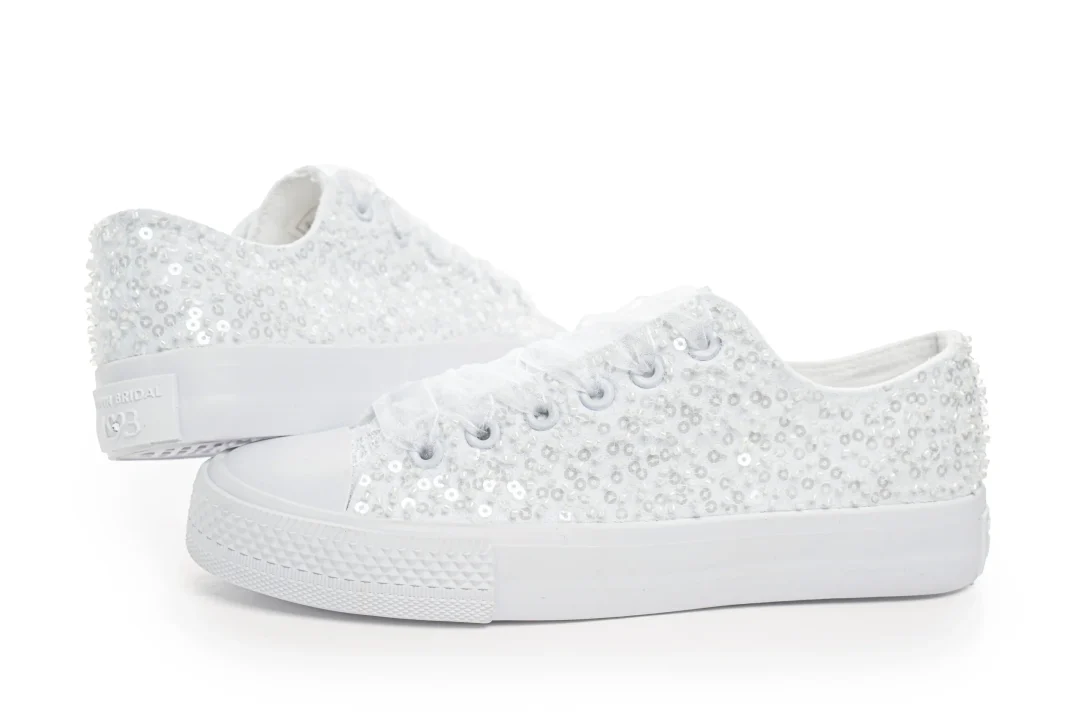
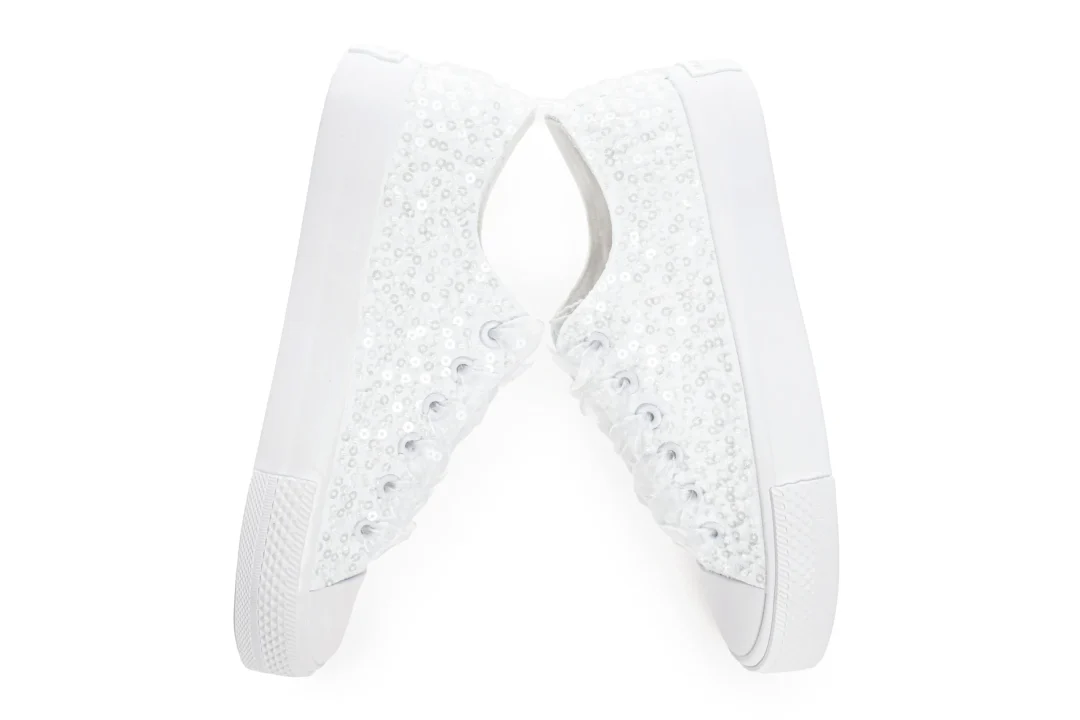
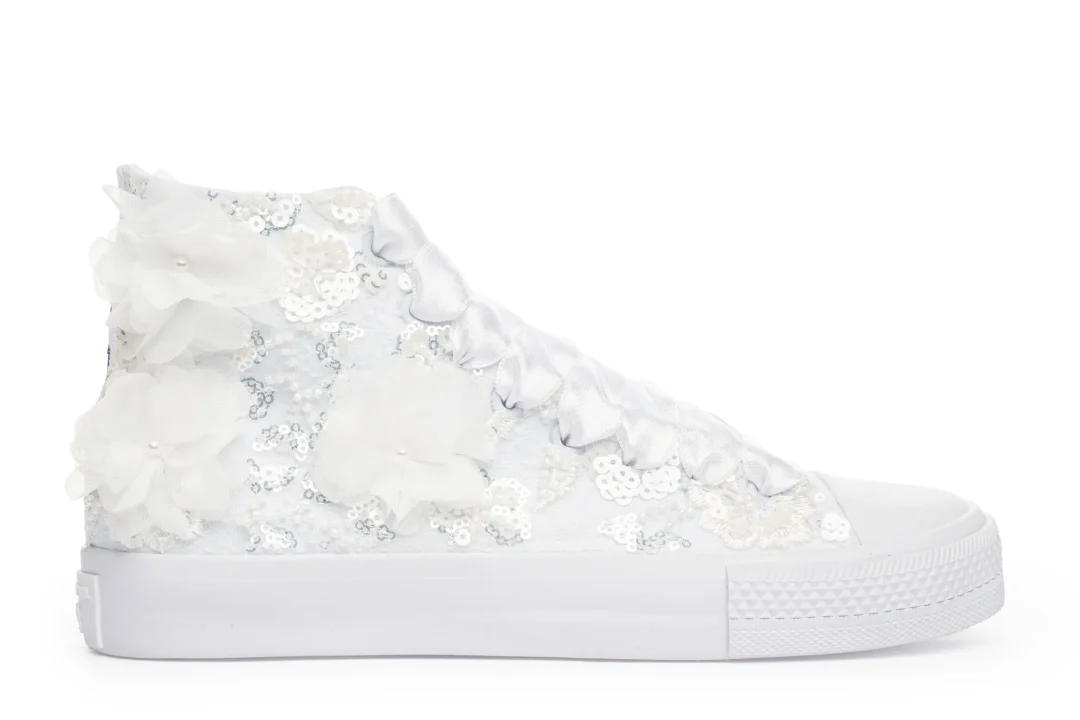
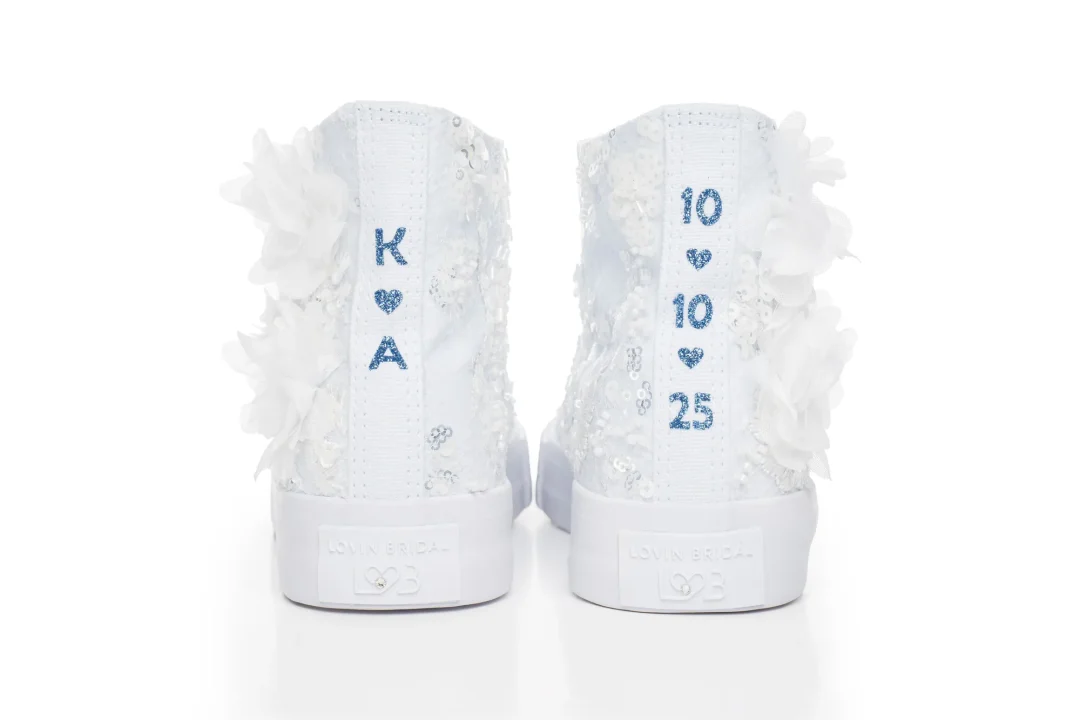
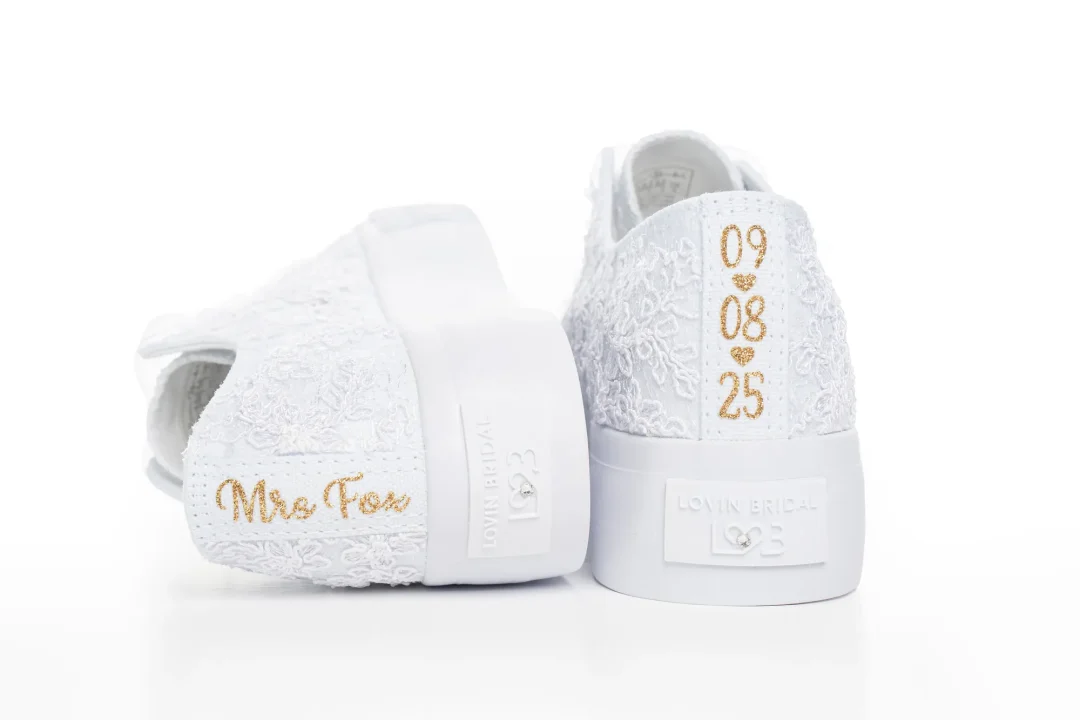
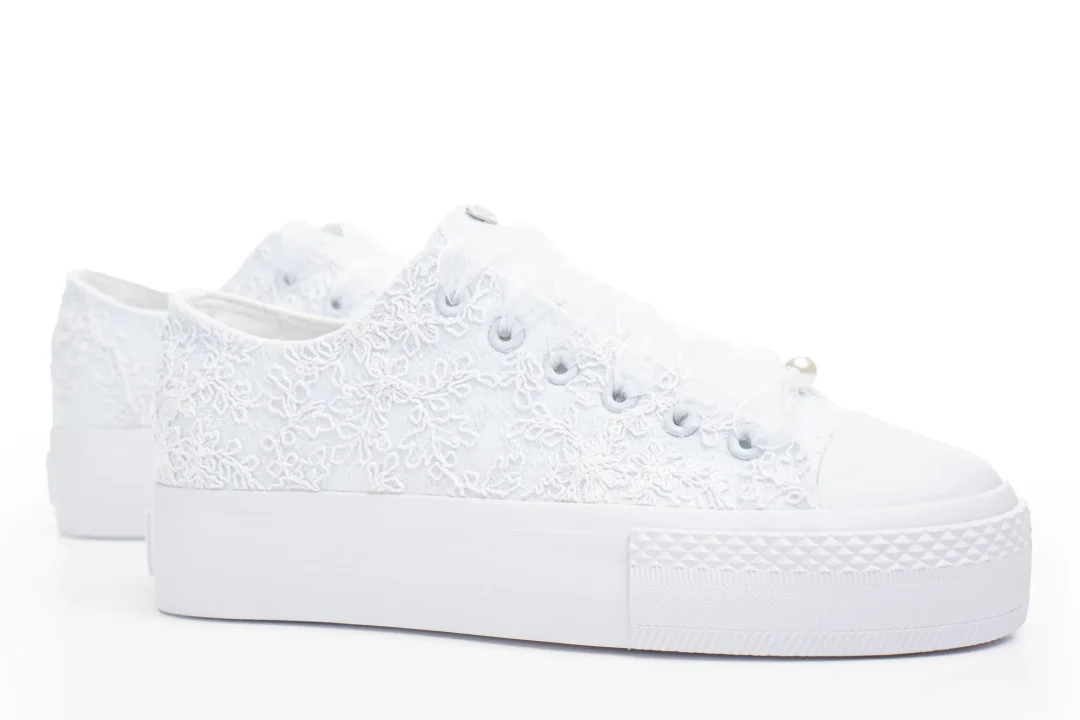
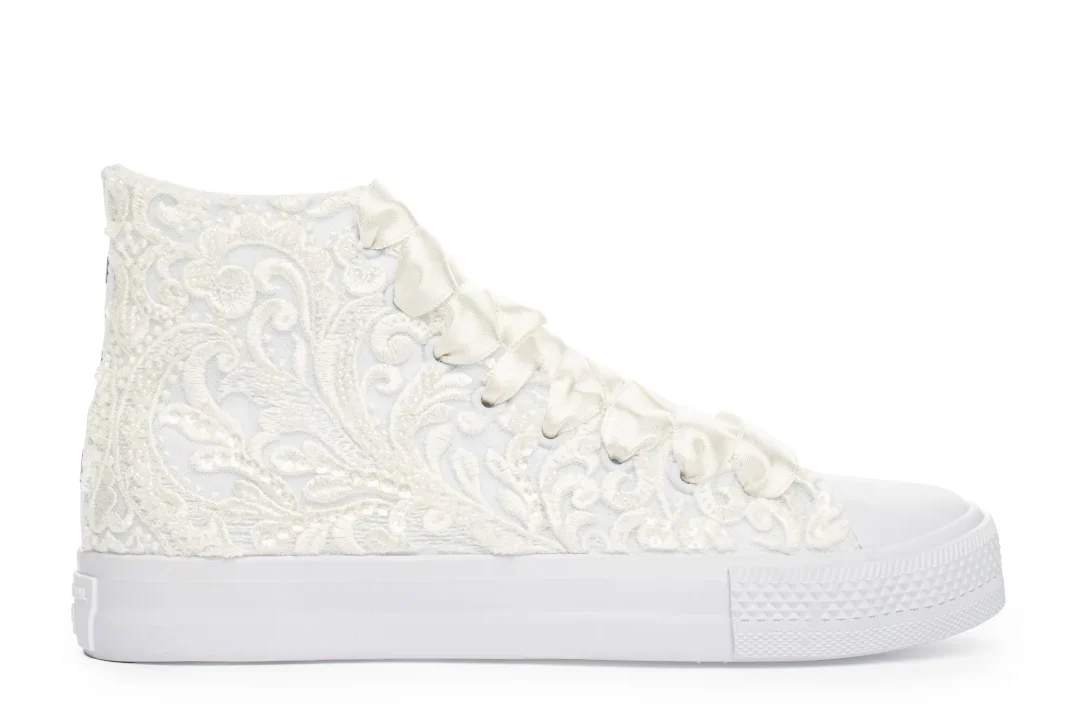

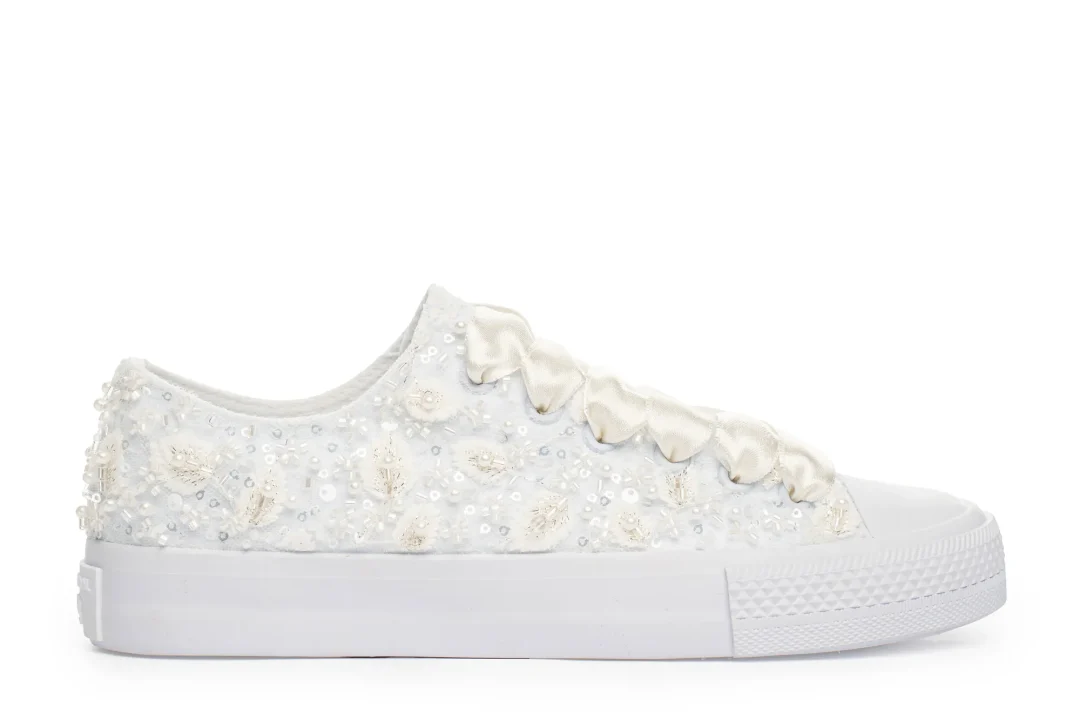
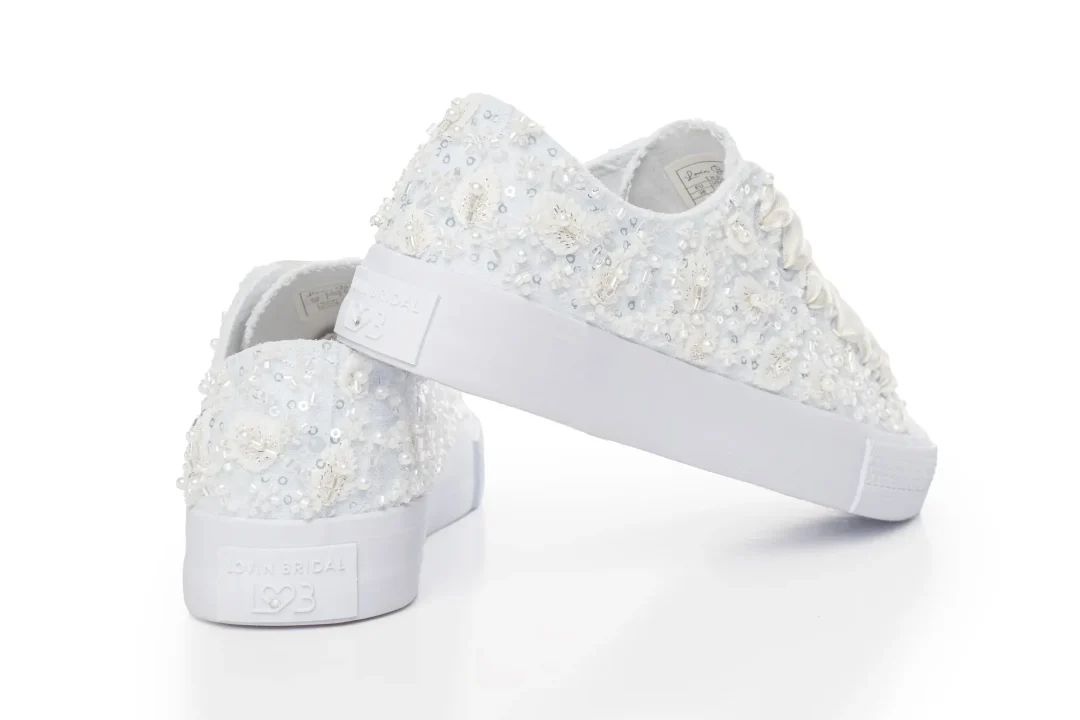
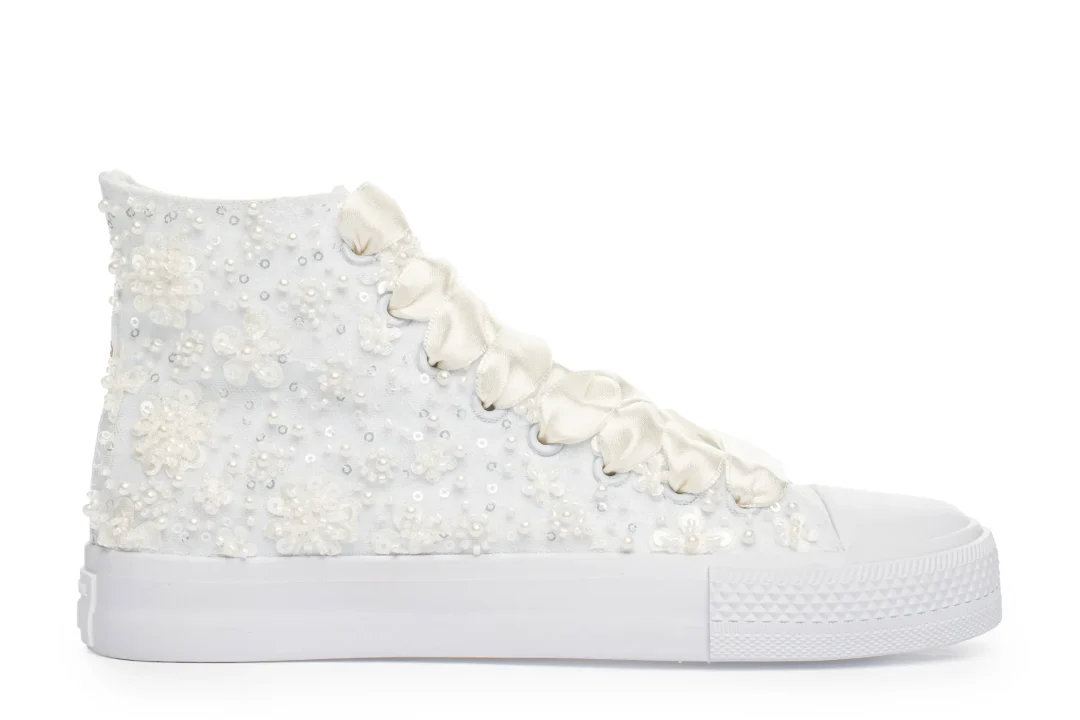
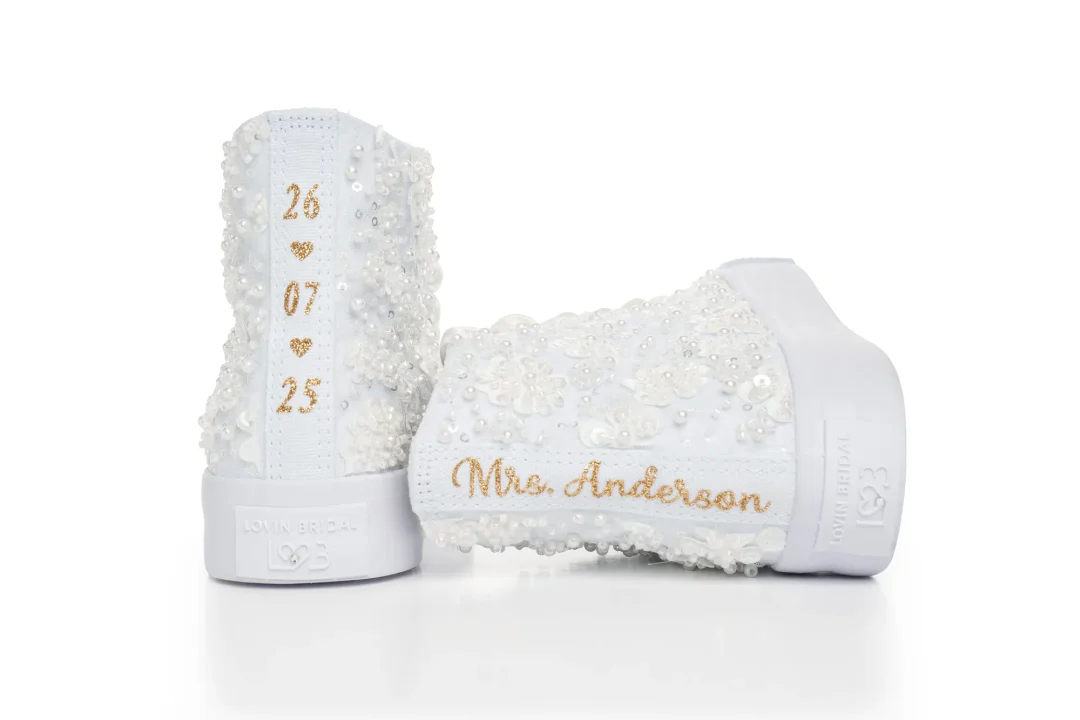
Ivory Lace Bridal Sneakers High Top– Wedding Tennis Shoes with 3D Floral Embellishment Lovin Bridal | Model : AVA
Price range: €149.00 through €169.00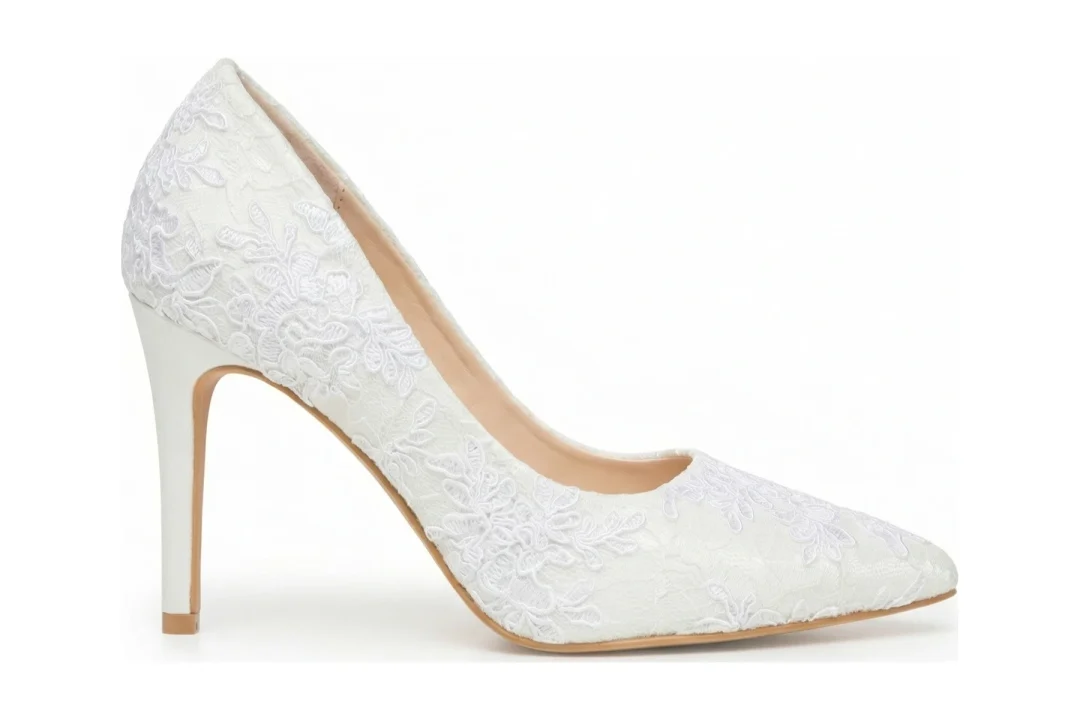
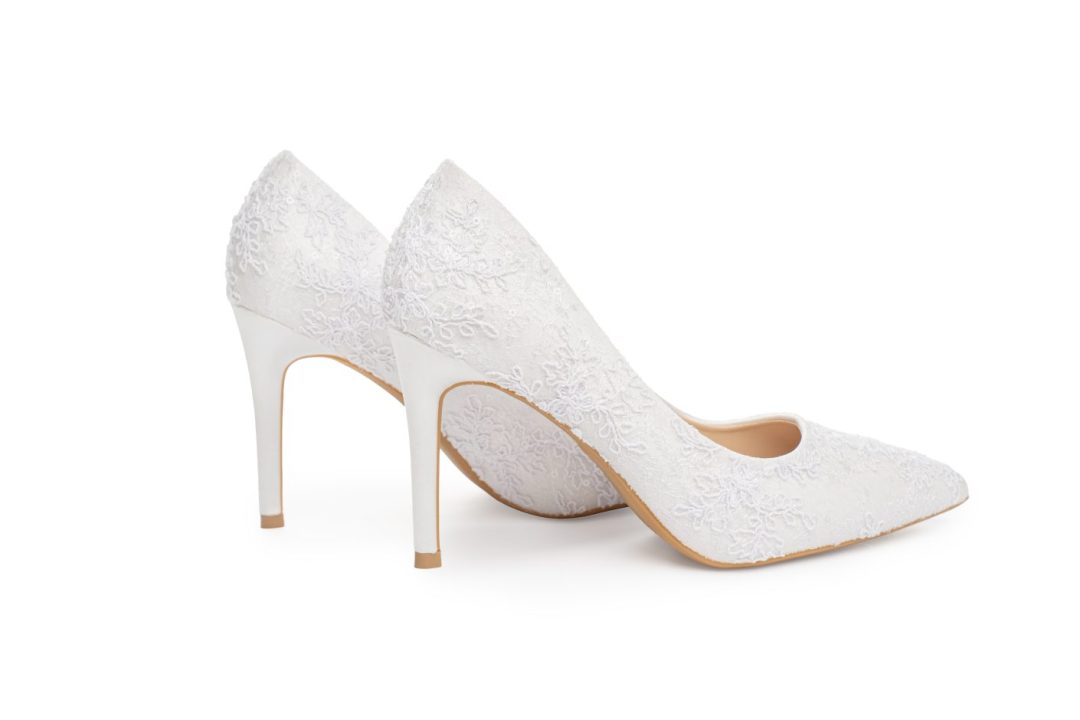
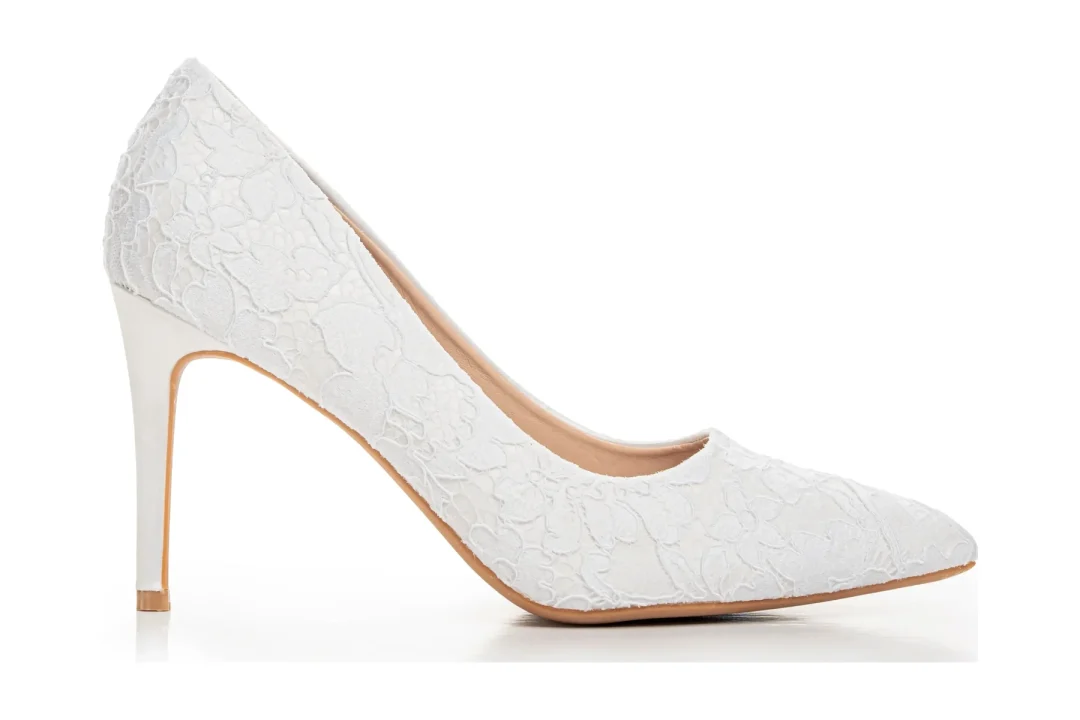

Frequently Asked Questions About Lace Wedding Shoes
Should the lace on my shoes match the lace on my dress?
Coordinated, not identical. Identical lace on dress and shoes can read as costumey — too matched. Choose lace on the shoes that shares a similar density and style (delicate-on-delicate or bolder-on-bolder) and that uses the same color tone (ivory dress with ivory lace shoes, not pure white). The shoes should feel like they belong to the same family as the dress without being the same piece of fabric.
Is lace on shoes durable enough for a wedding day?
Yes, when the lace is applied properly. The appliqué is bonded and reinforced underneath, not laid loose on the surface, so it doesn't catch or pull during normal wear. The vulnerable points are sharp edges (avoid stepping on the back of your dress), and Velcro on shapewear or robes during getting-ready (separates lace fibers). Treat with the same care as a lace dress.
Why is French and Italian lace specifically considered better quality?
France and Italy have centuries-old lace-making traditions with mills that still produce on Leavers and Cornely machines (and in rarer cases, by hand). The thread is finer, the patterns more intricate, the dye penetration more even, and the fabric drapes differently than mass-produced lace. The visible difference in person is significant; in photographs at distance, less so — but lace is mostly photographed in close-up details, where the quality reads clearly.
Can I wear lace shoes if my dress isn't lace?
Yes. Lace shoes work beautifully with plain satin, mikado, crepe or chiffon dresses — the lace becomes a textural detail point against a smooth dress, rather than a competing pattern. The contrast often photographs better than fully matched lace-on-lace. Avoid pairing lace shoes with a dress that has very heavy beading or sequin work — the surfaces compete.
How do I clean lace shoes after the wedding?
Spot-clean only. Use a soft white cloth dampened with cold water and a tiny amount of mild soap; dab, don't rub. Avoid soaking — water seeps into the bonding layer beneath the lace and can lift the appliqué. For stubborn marks, a professional shoe cleaner who handles couture pieces is a safer option than home methods. Never machine-wash lace shoes.