WEDDING SANDALS
Open-Toe Bridal Sandals — Strappy, Embellished, Comfortable
Showing all 34 results

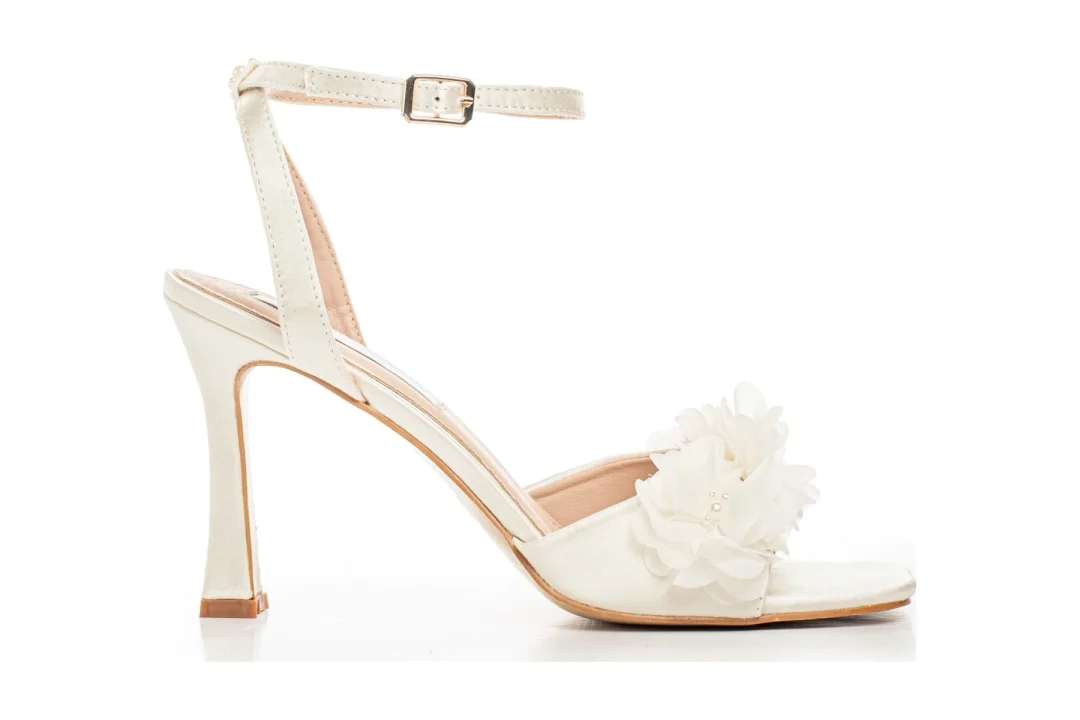
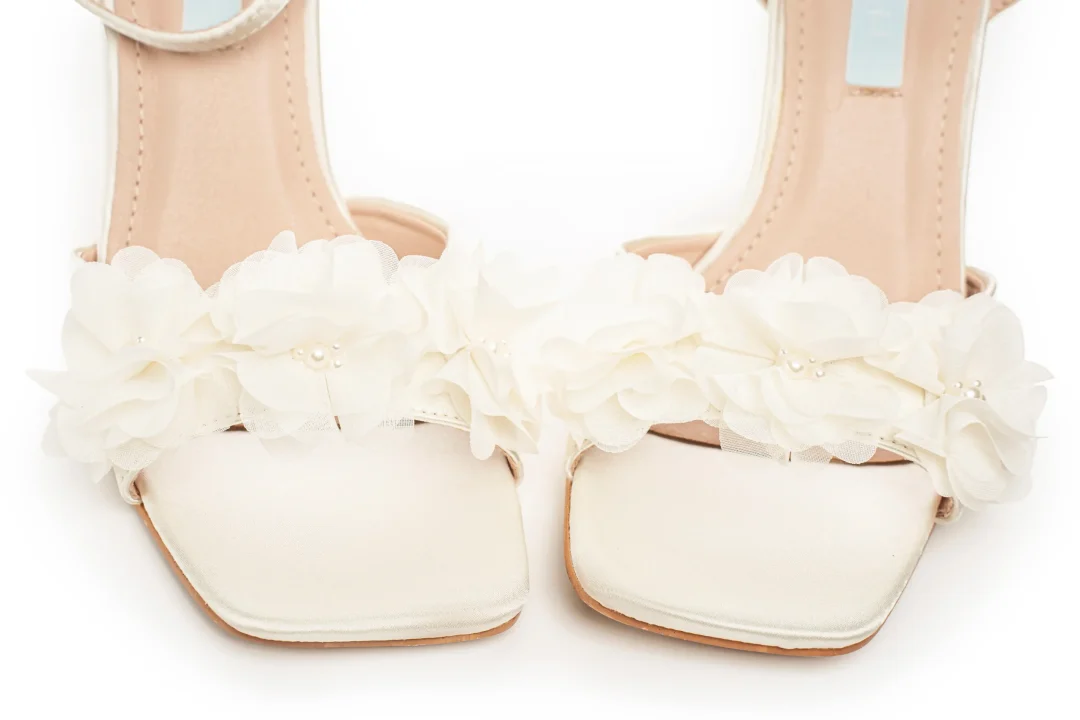
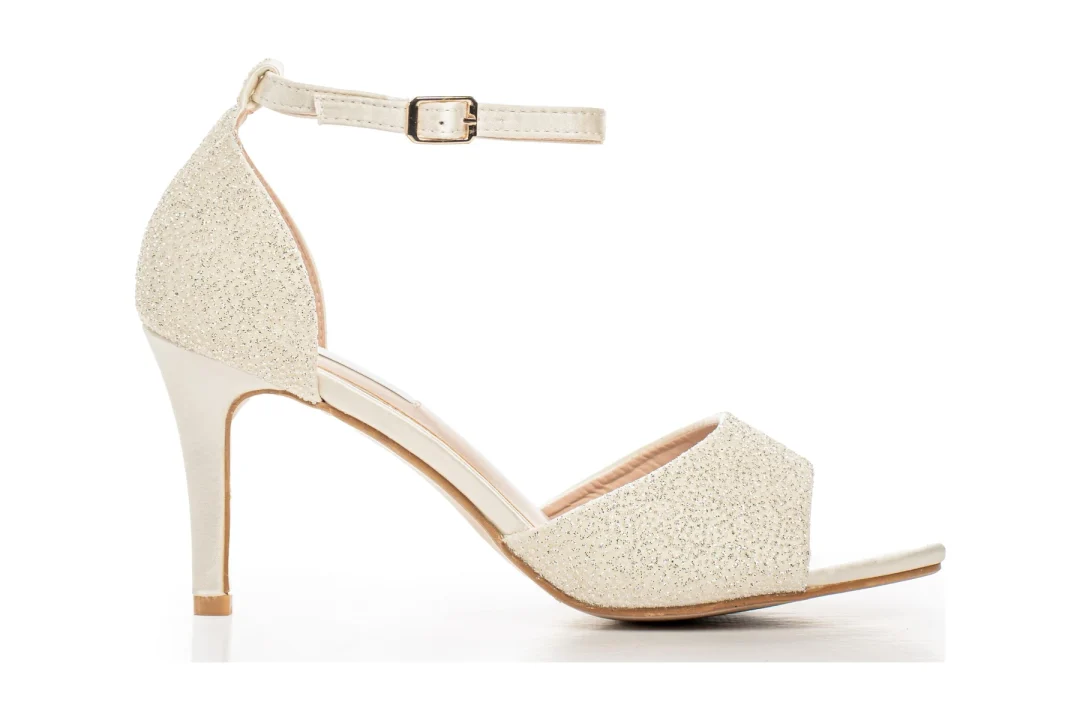
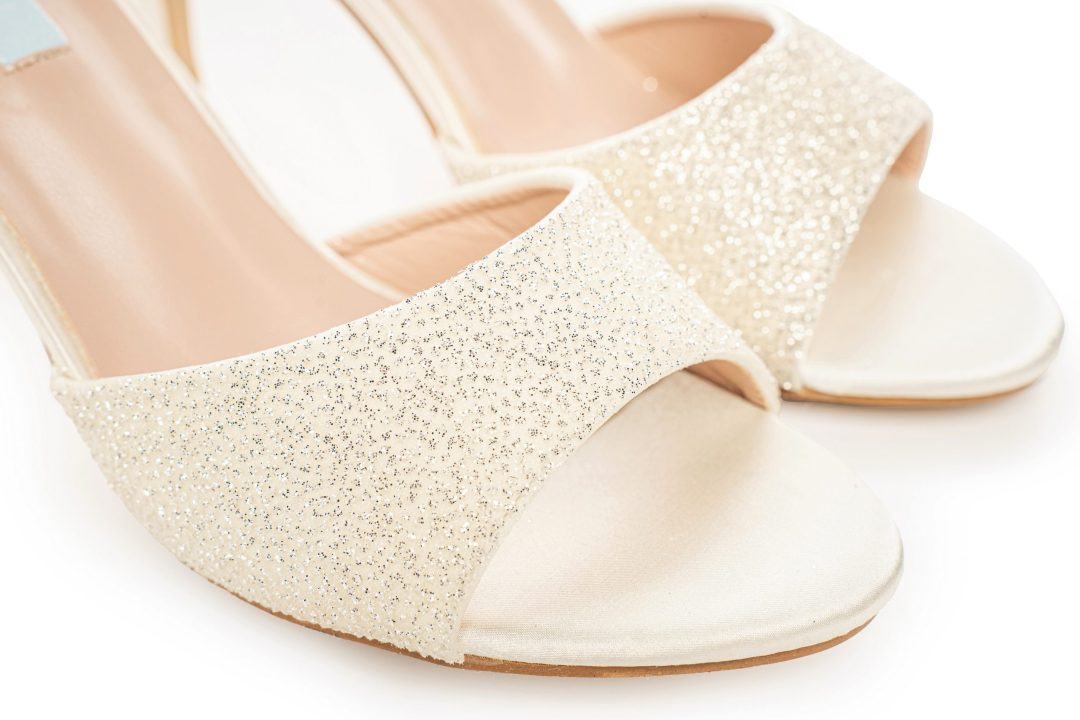
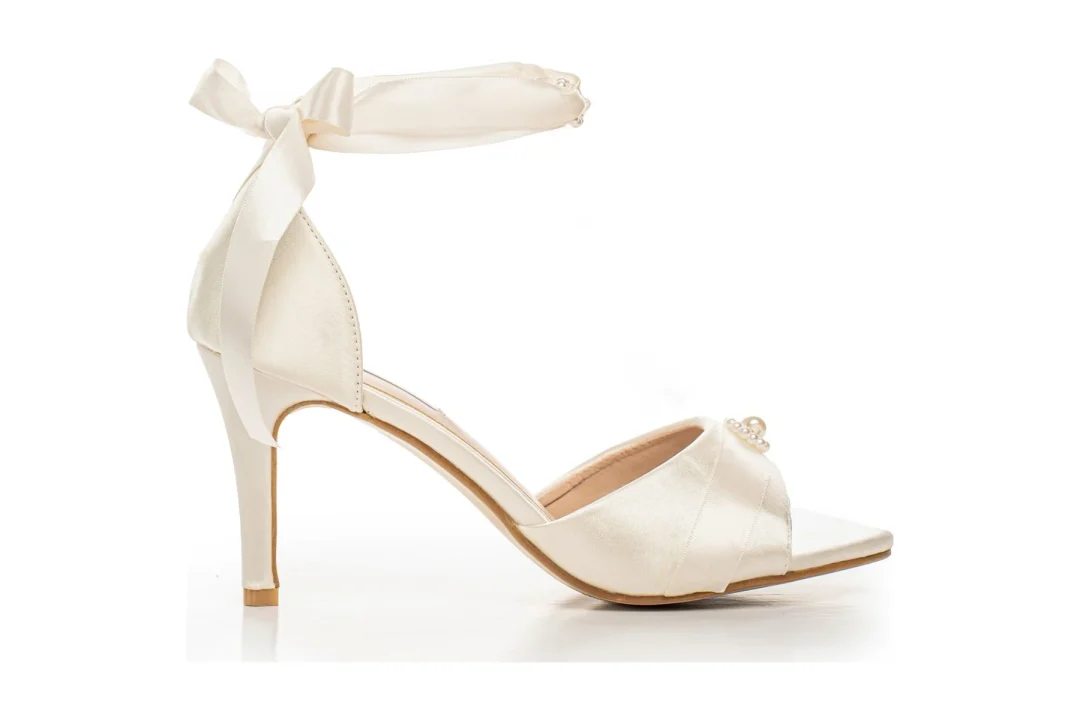
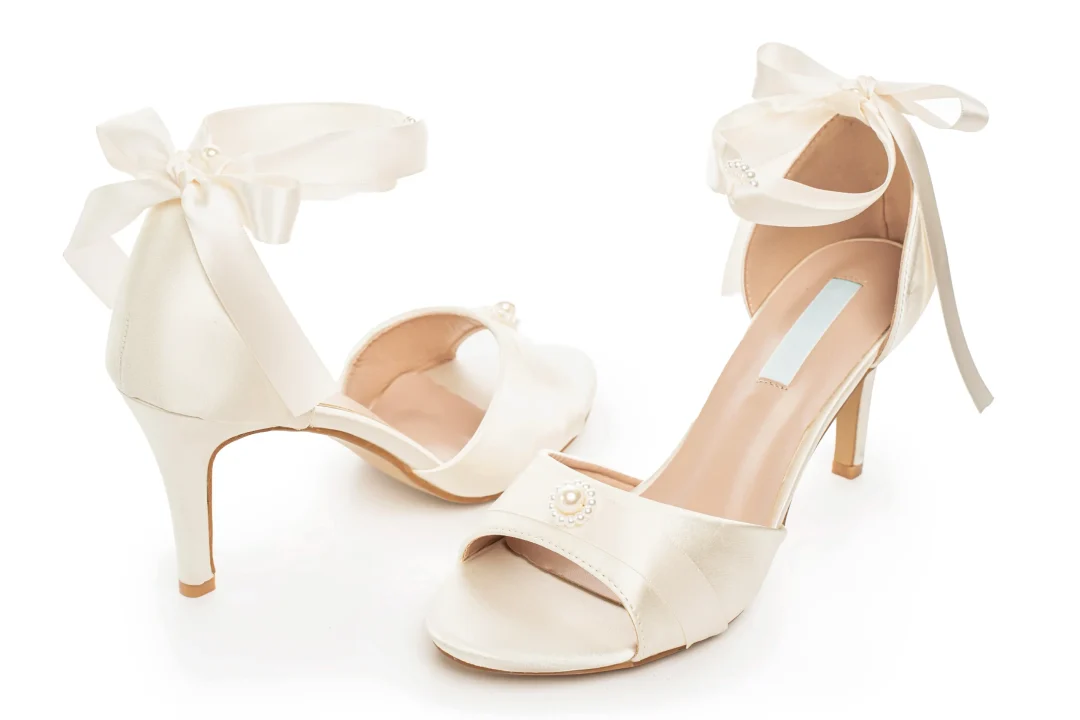
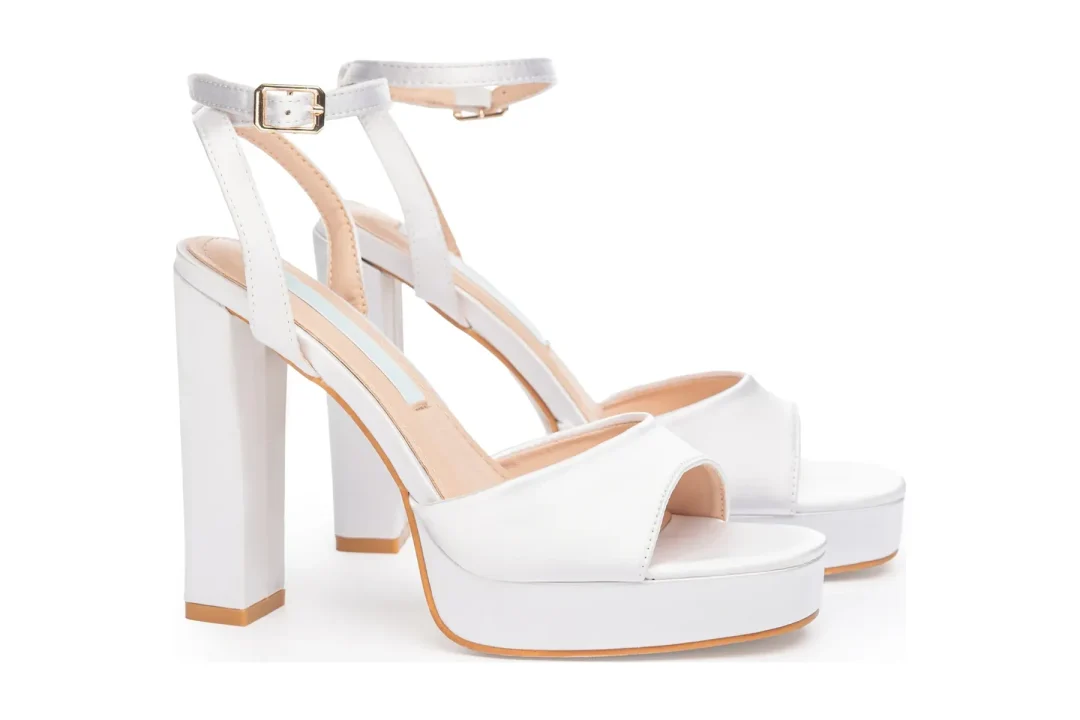
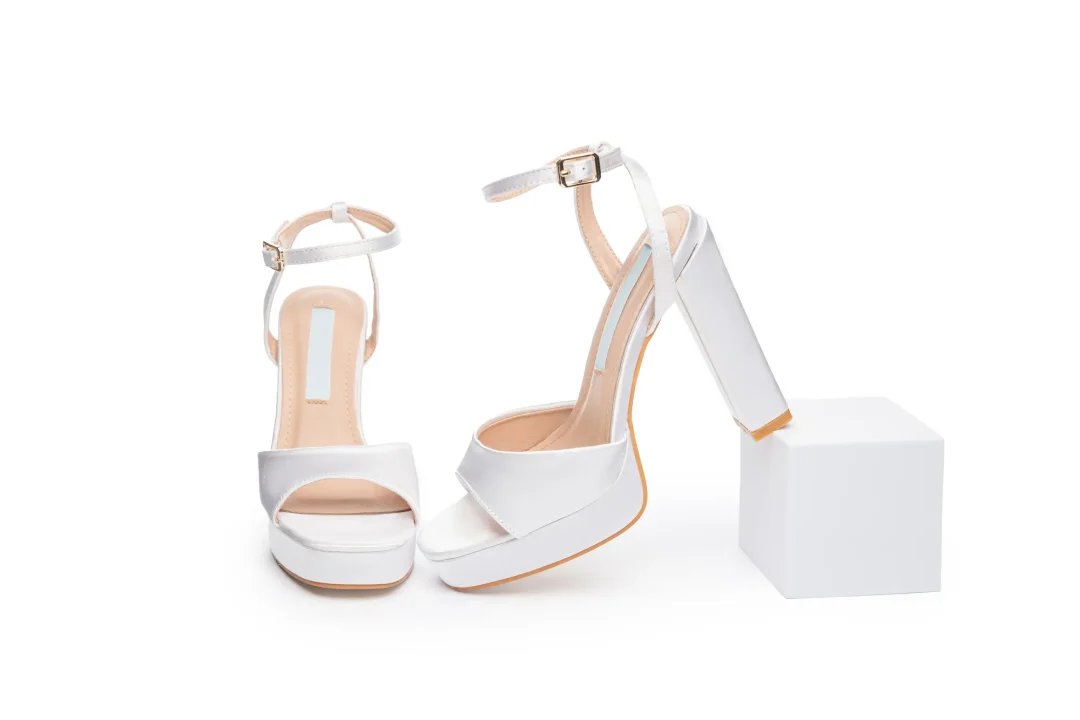
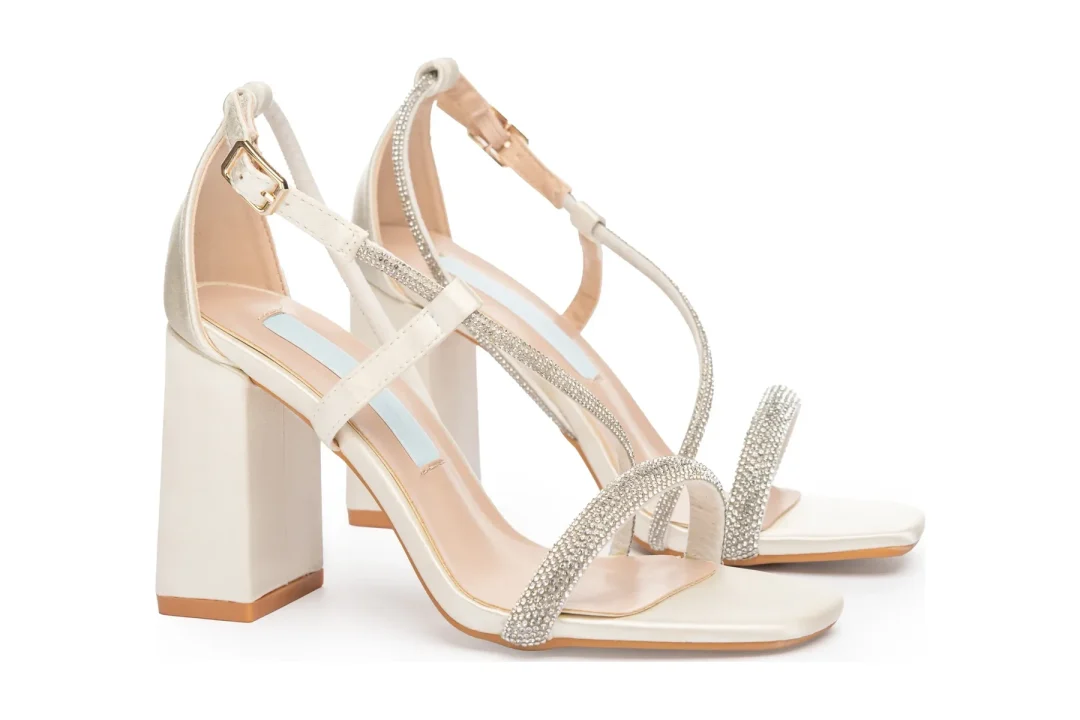
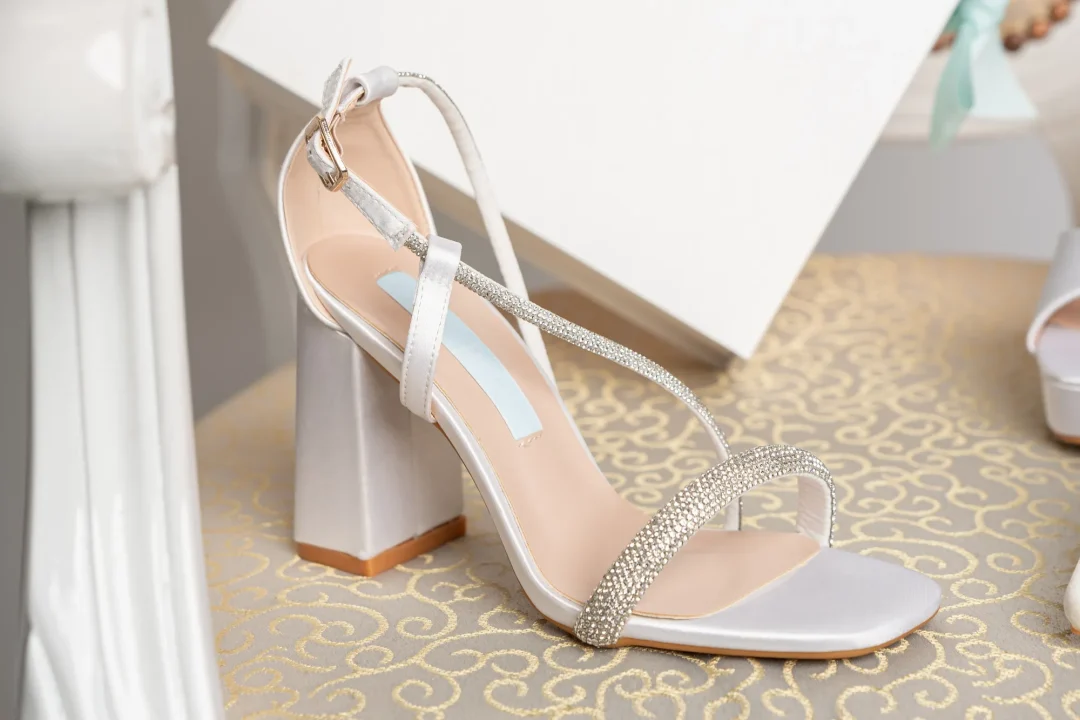
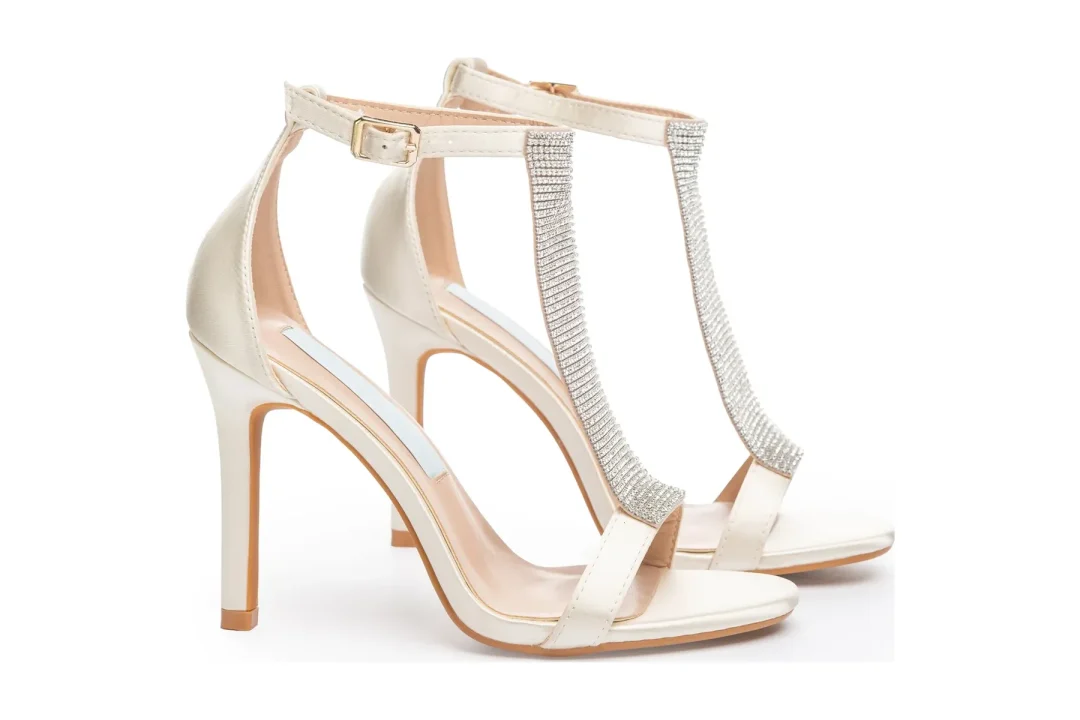
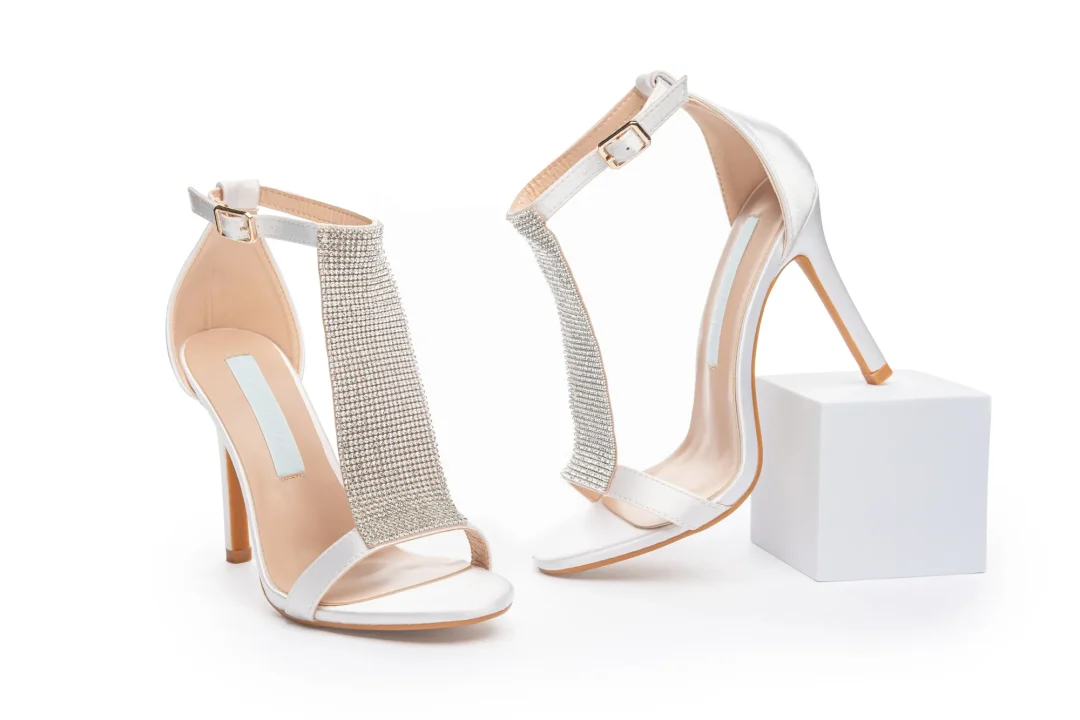
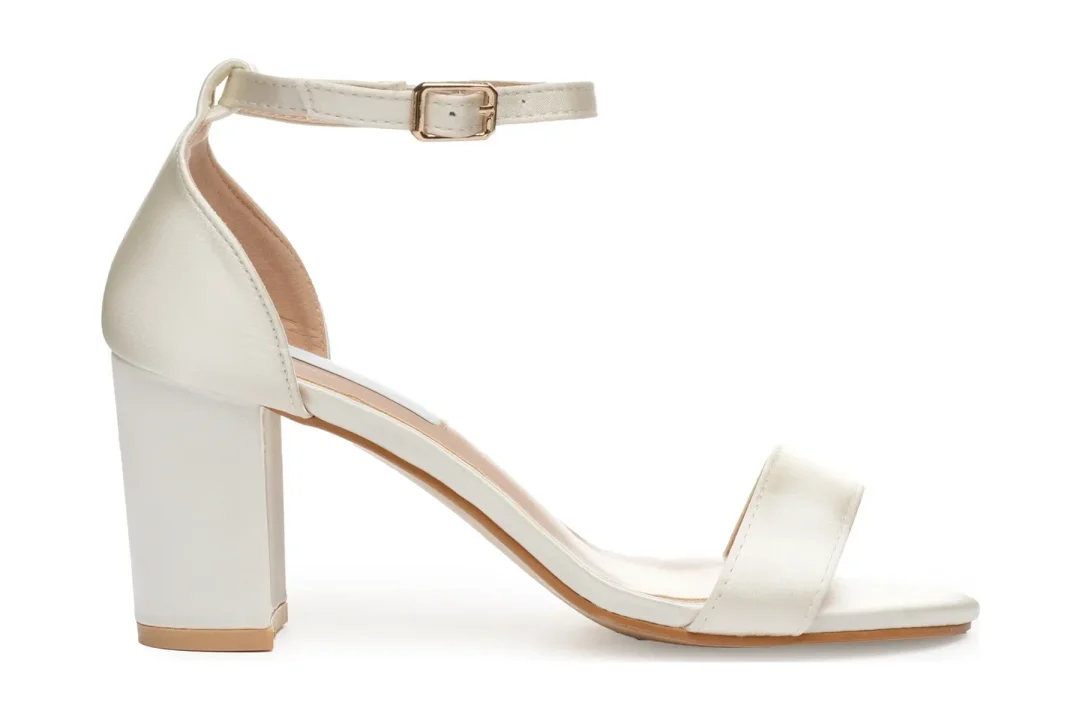
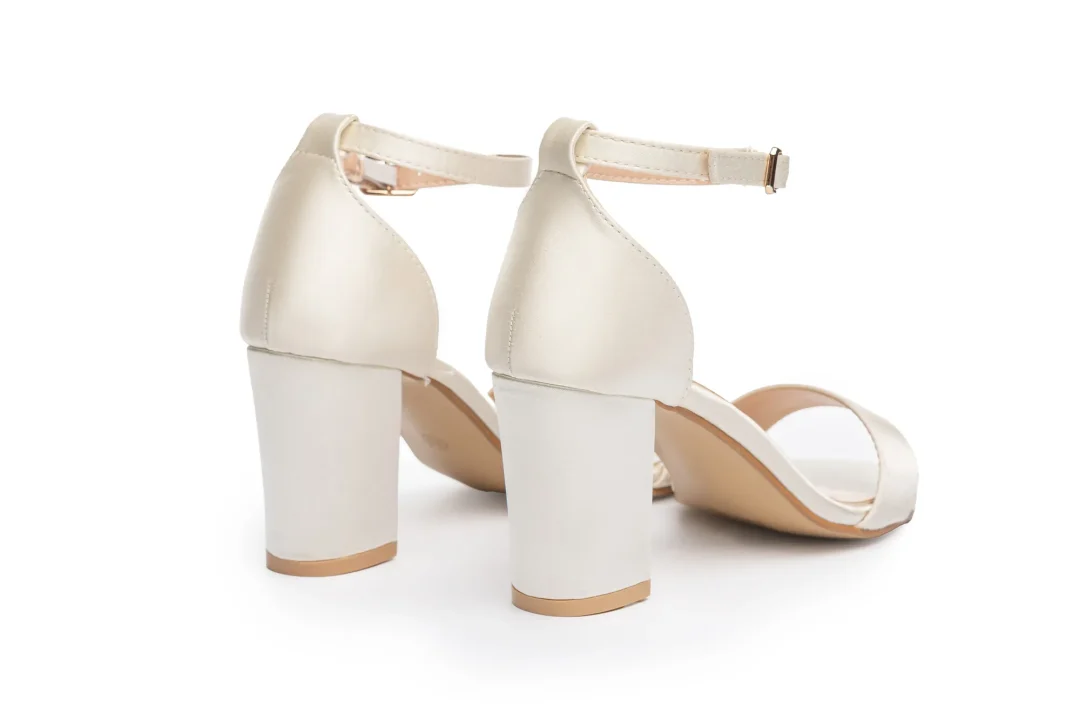
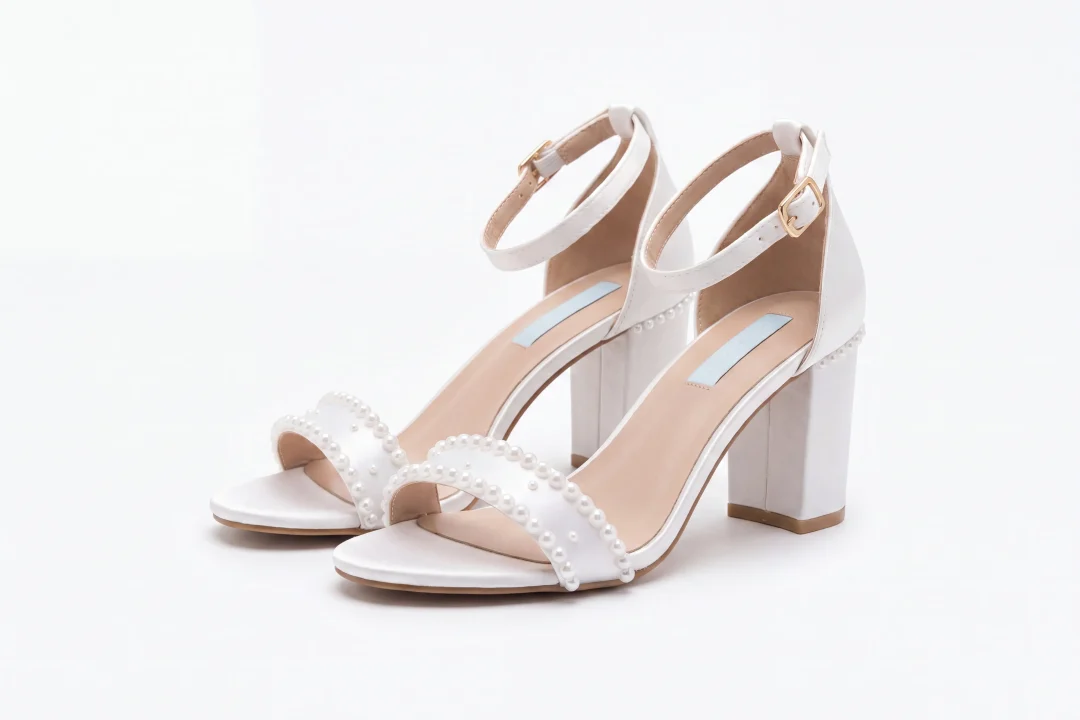
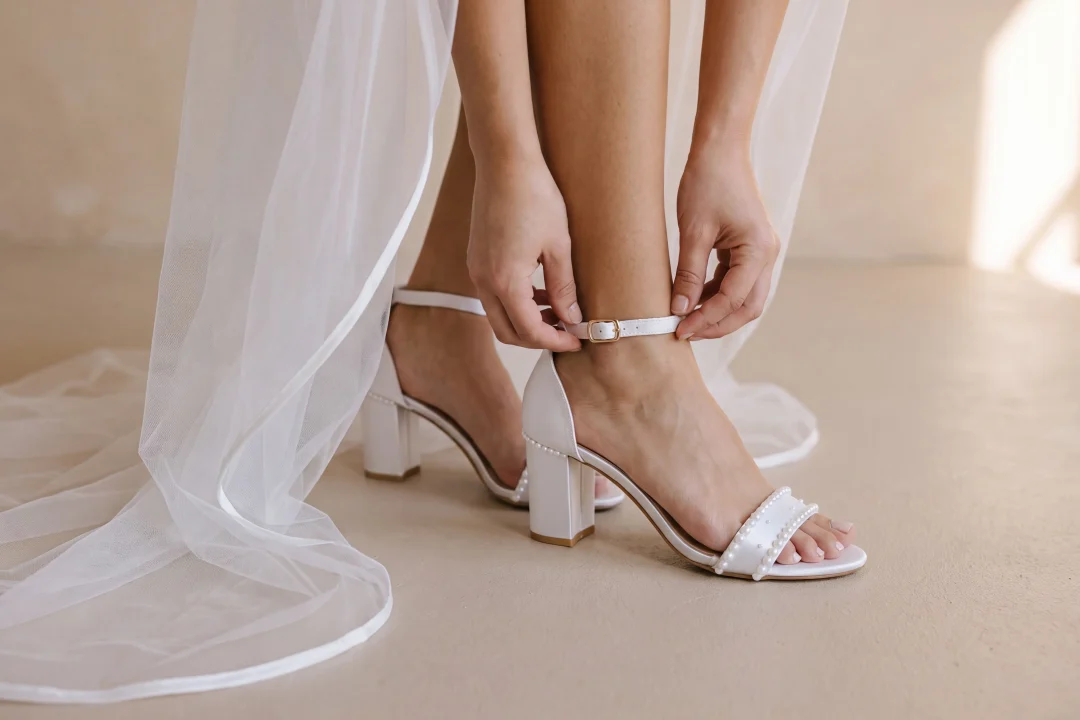

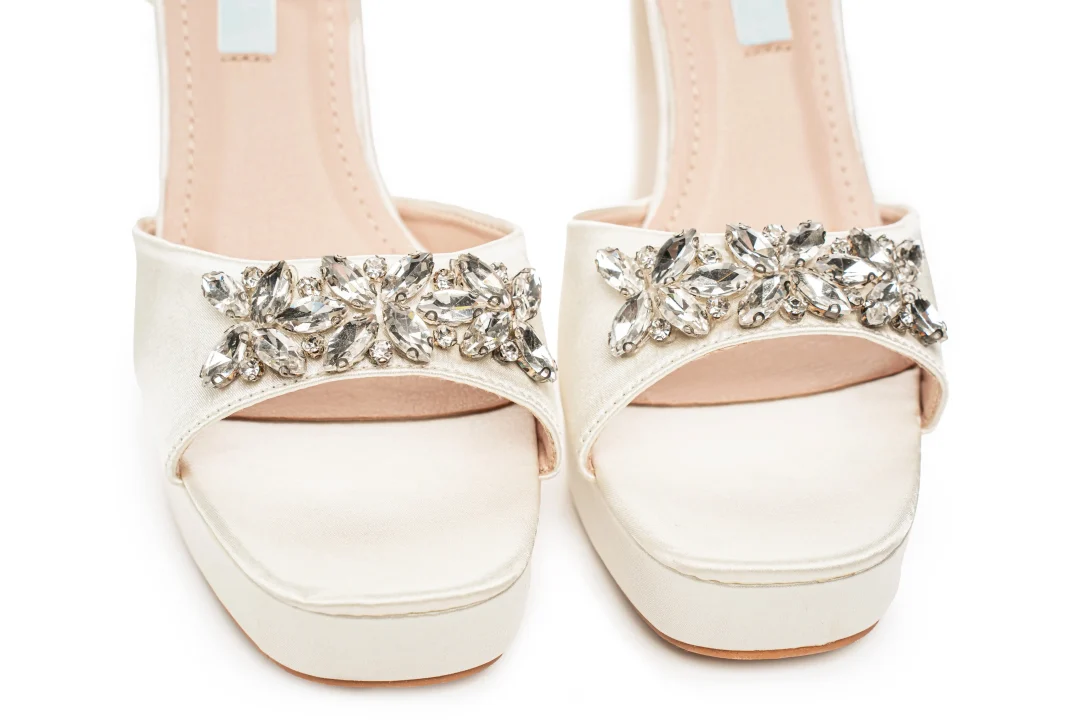
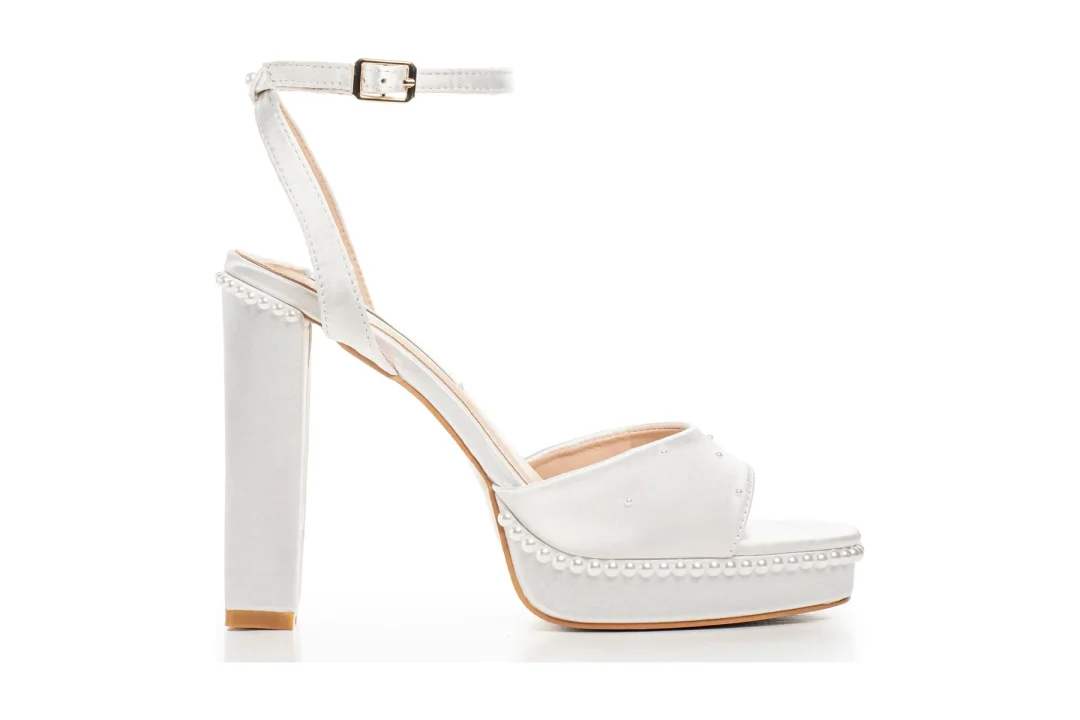
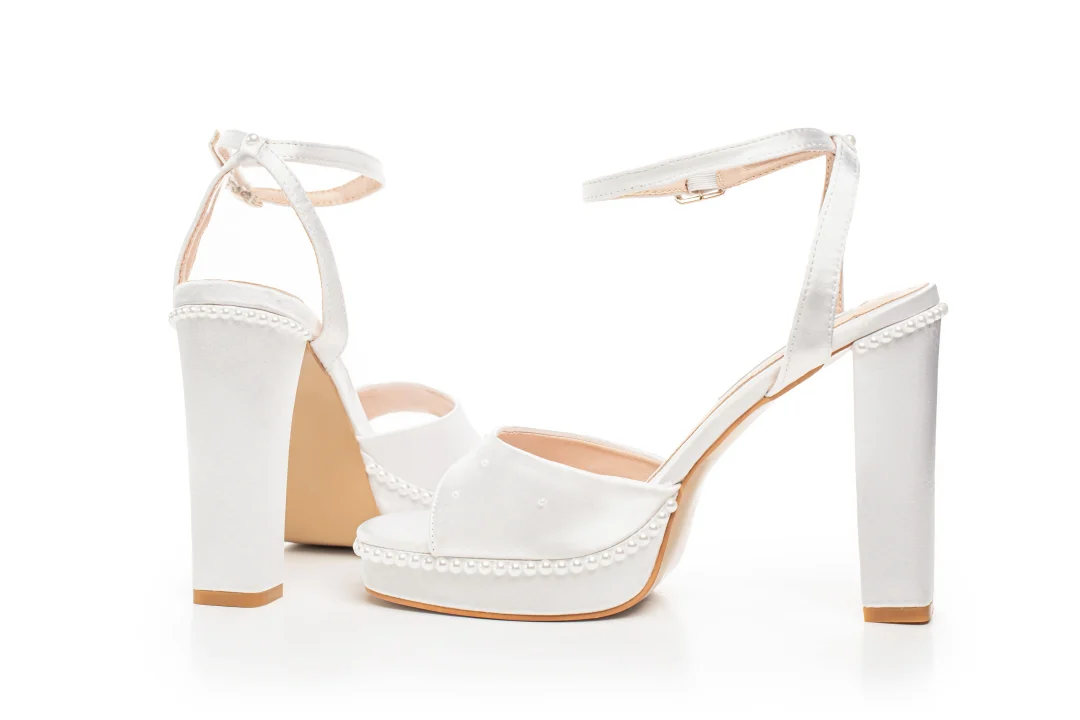
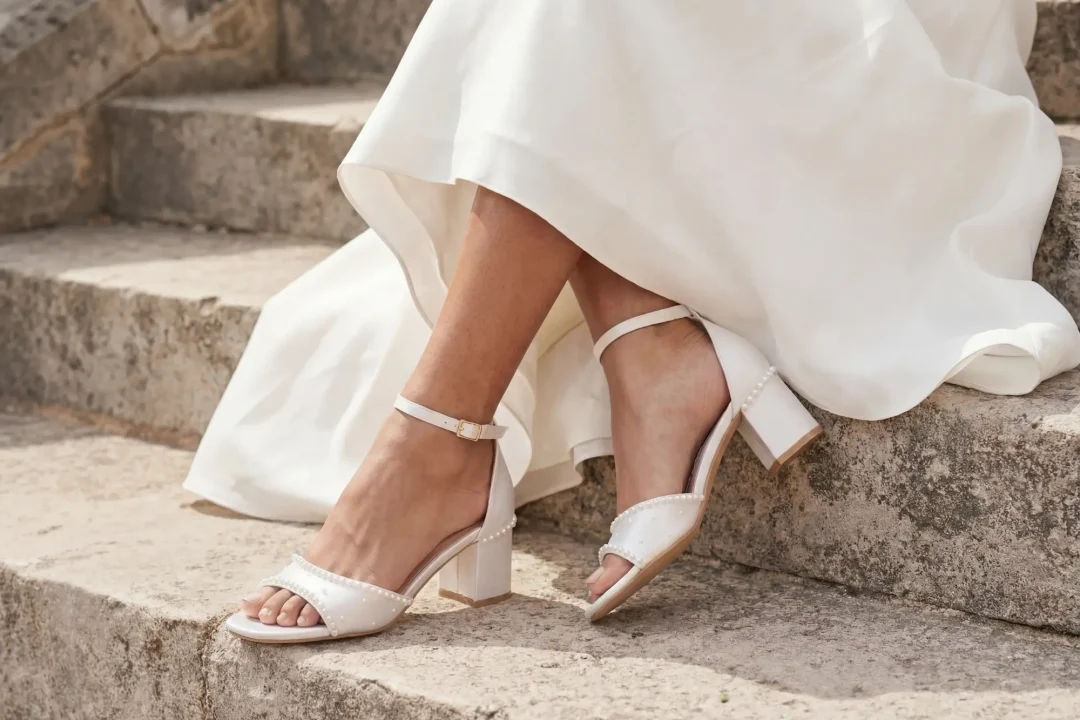
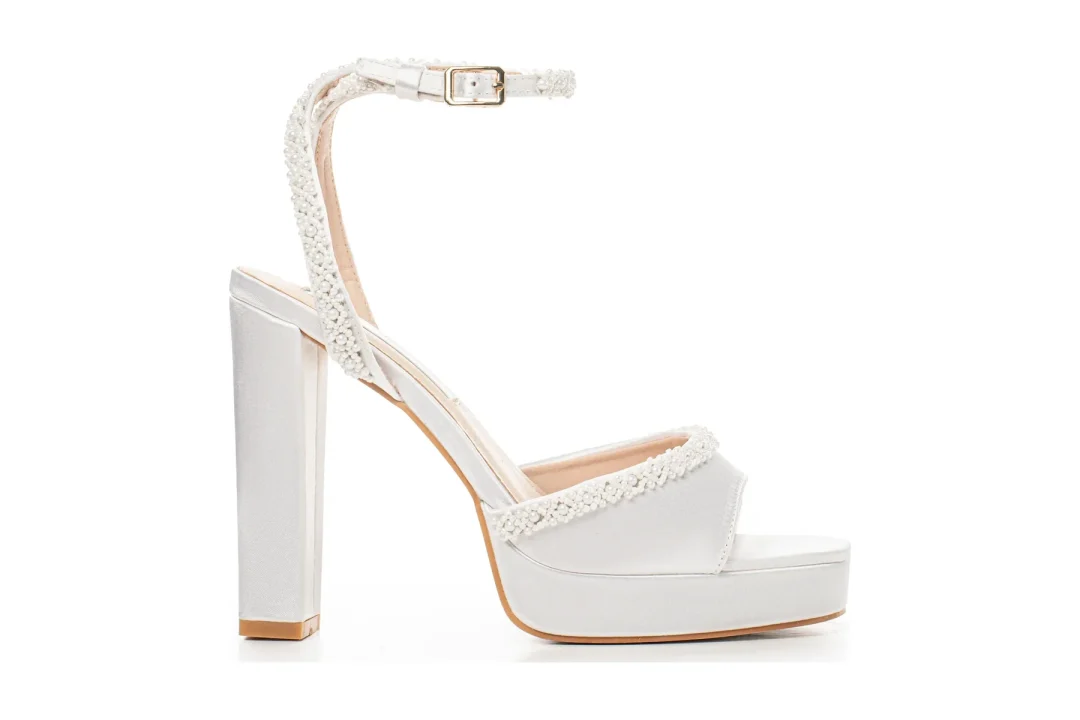
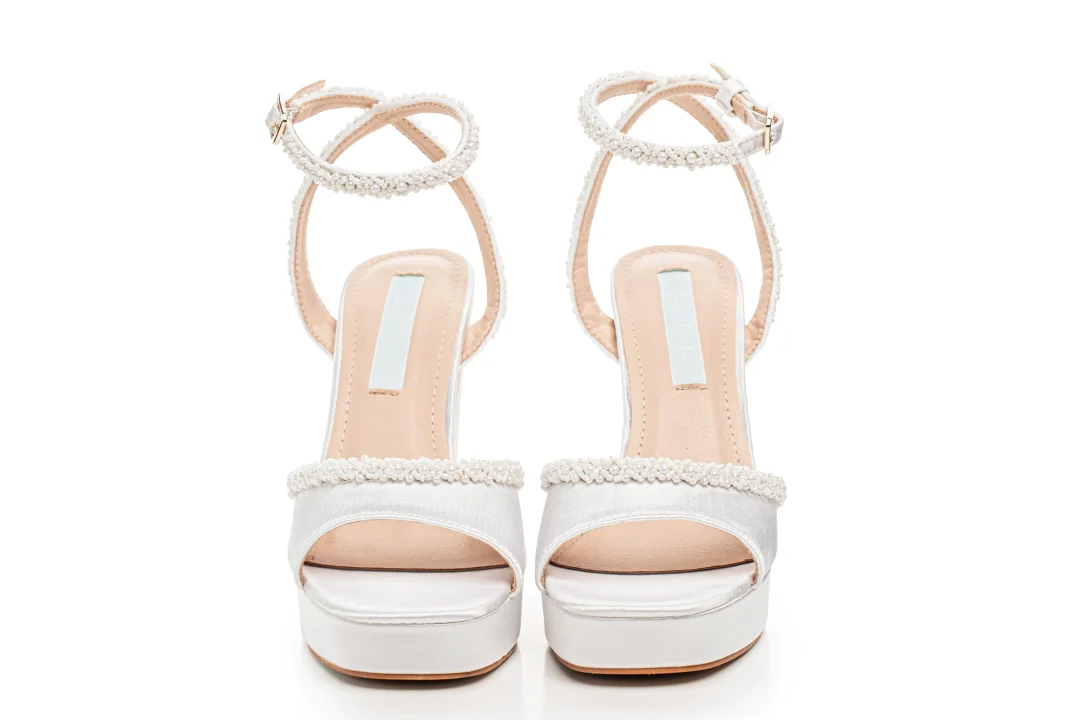
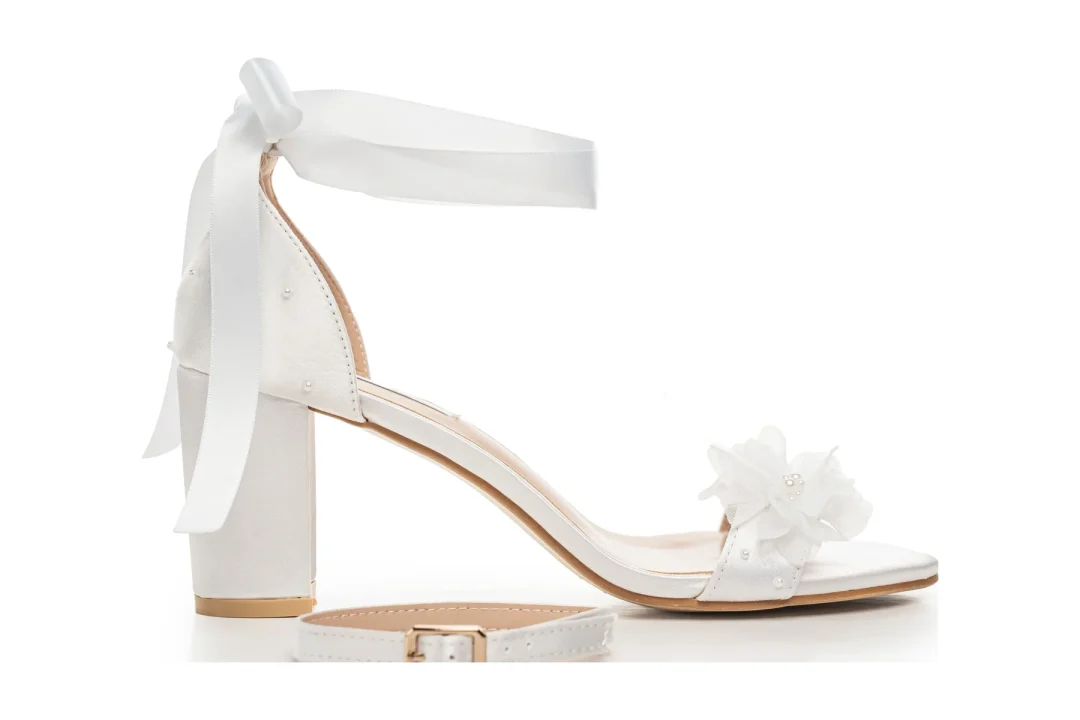
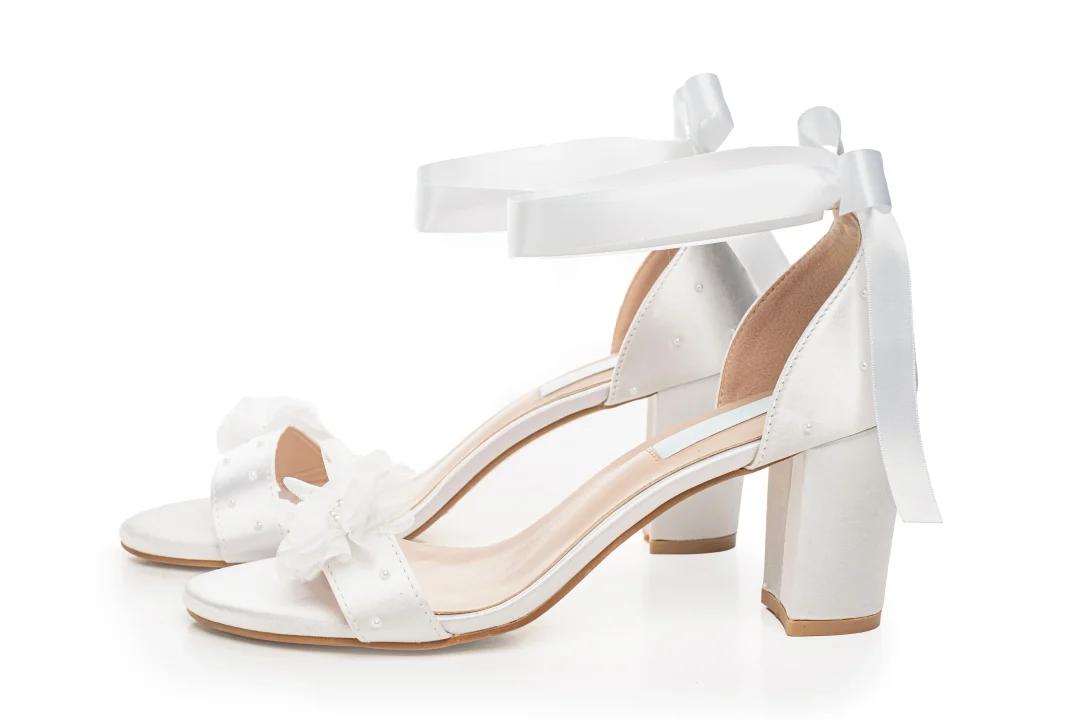
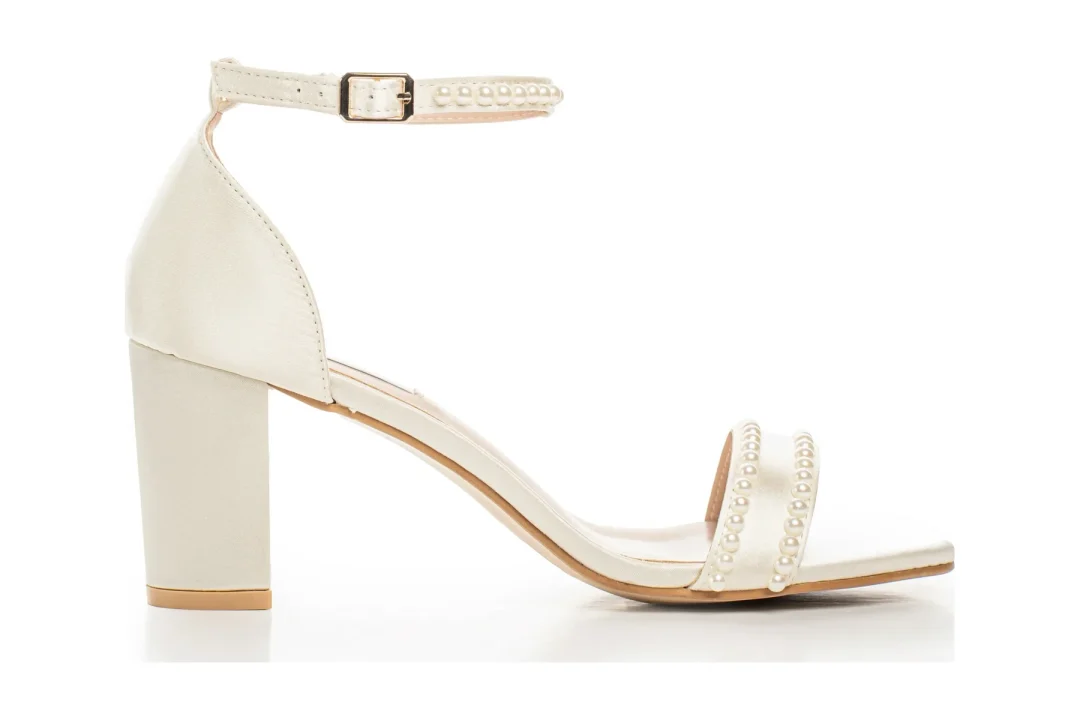
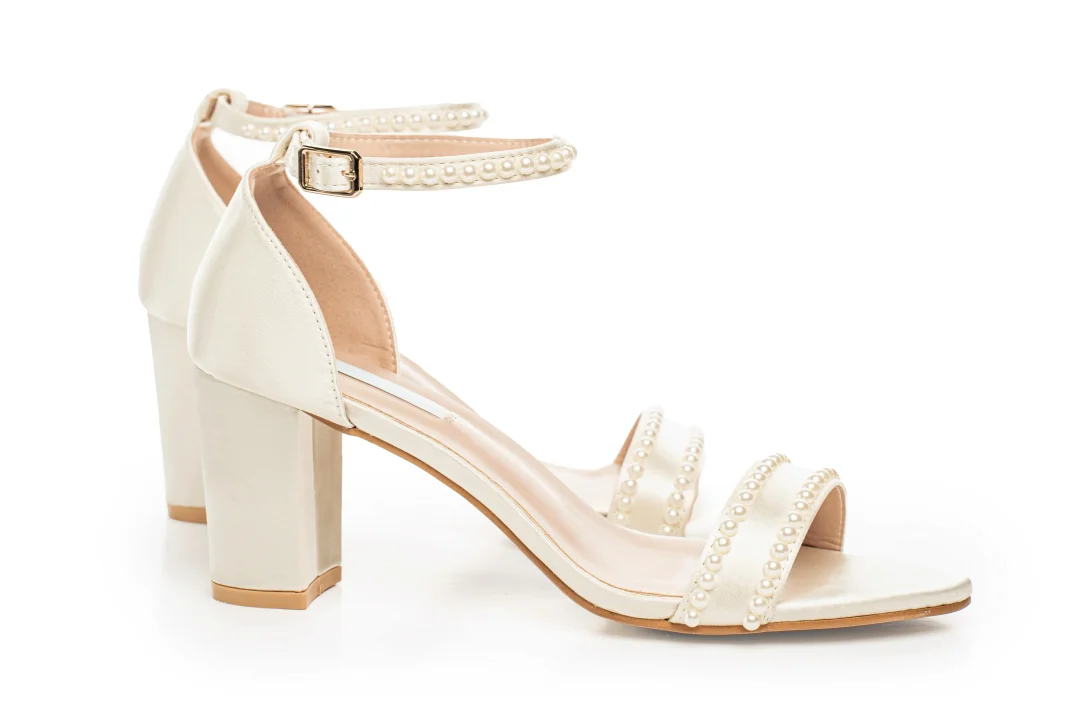
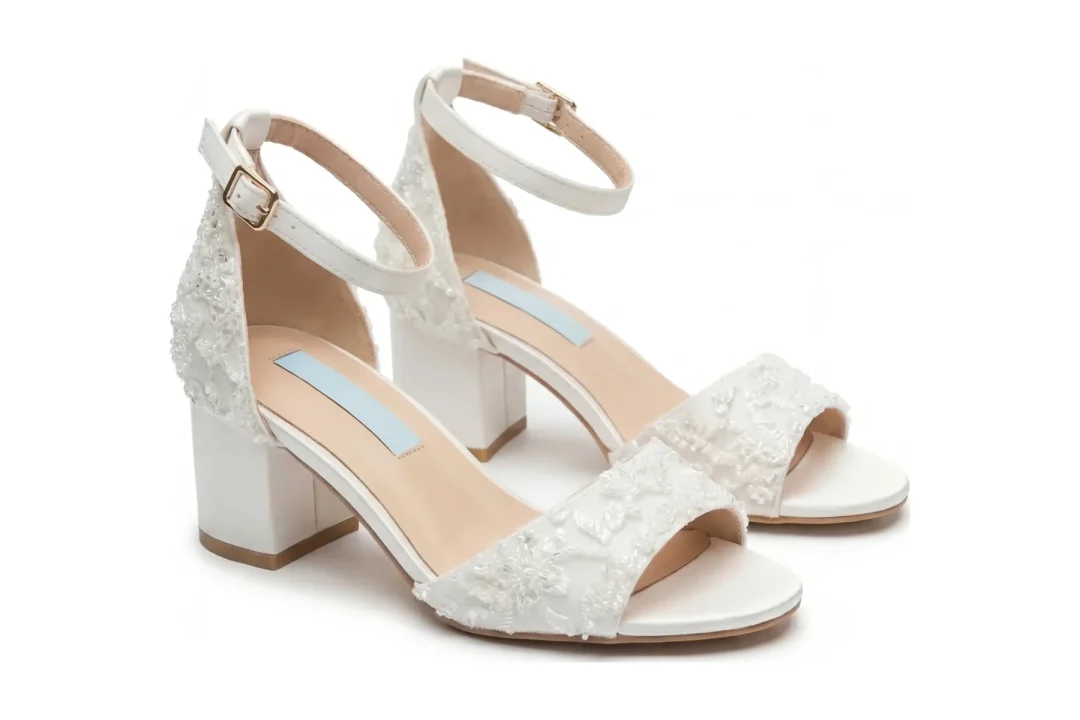
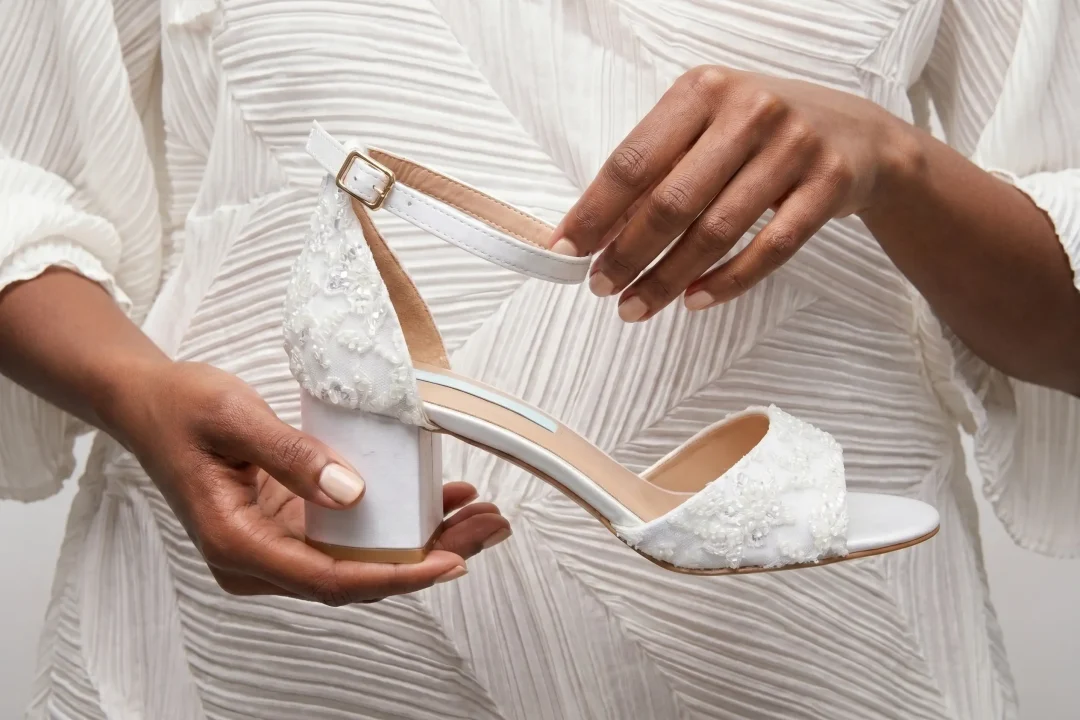
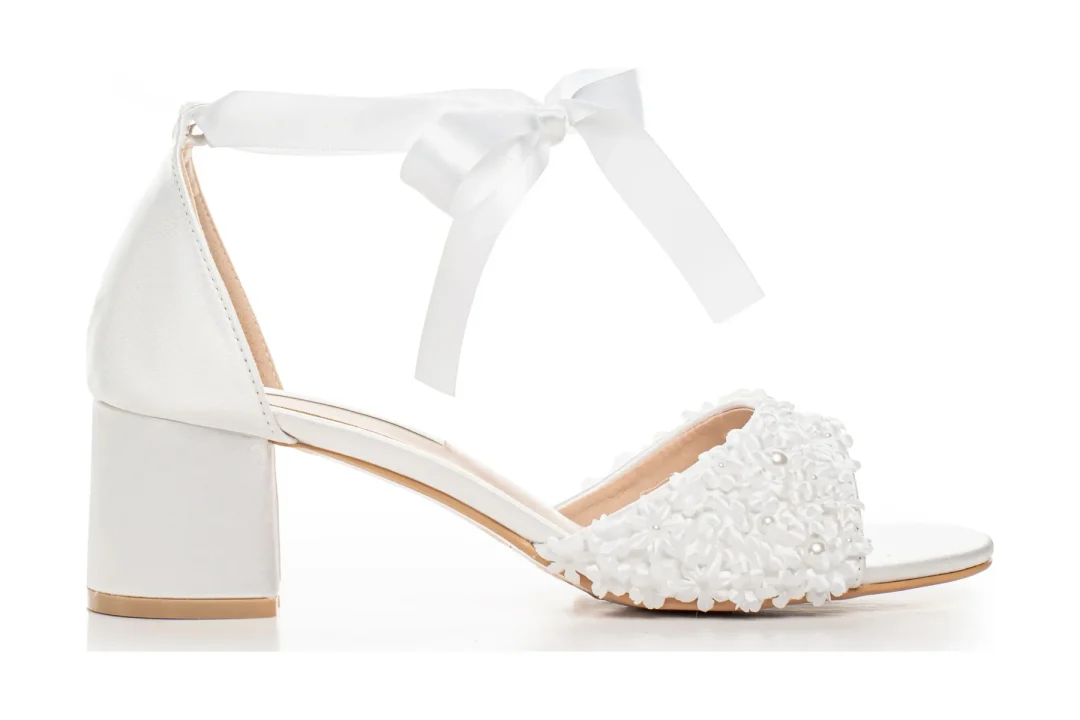
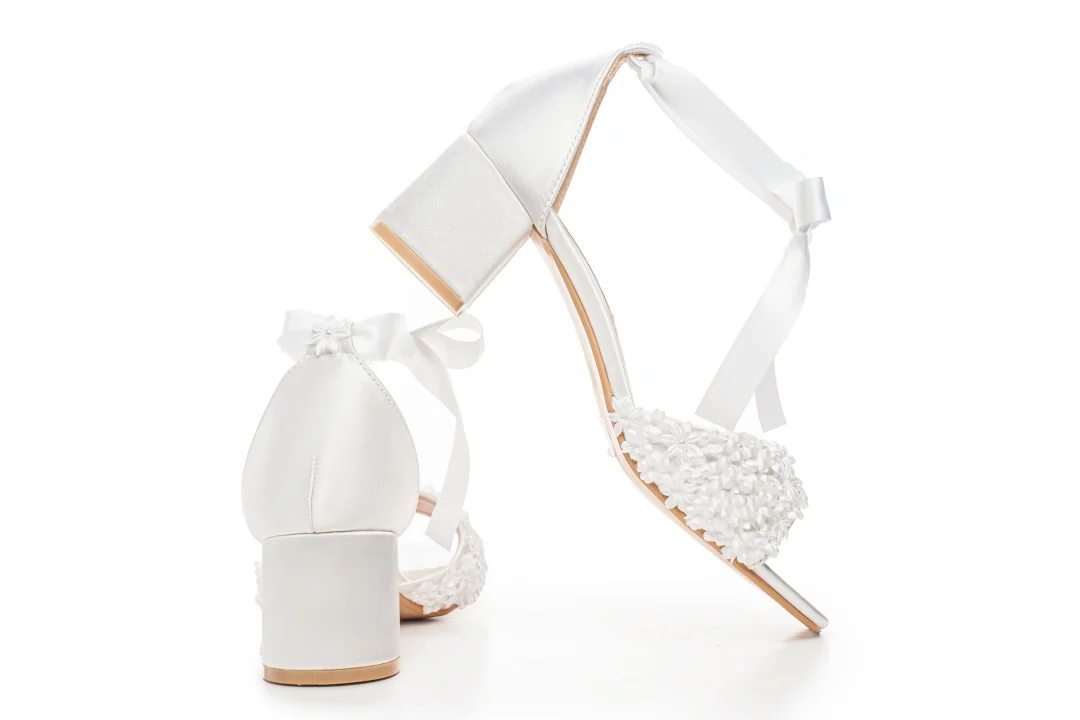
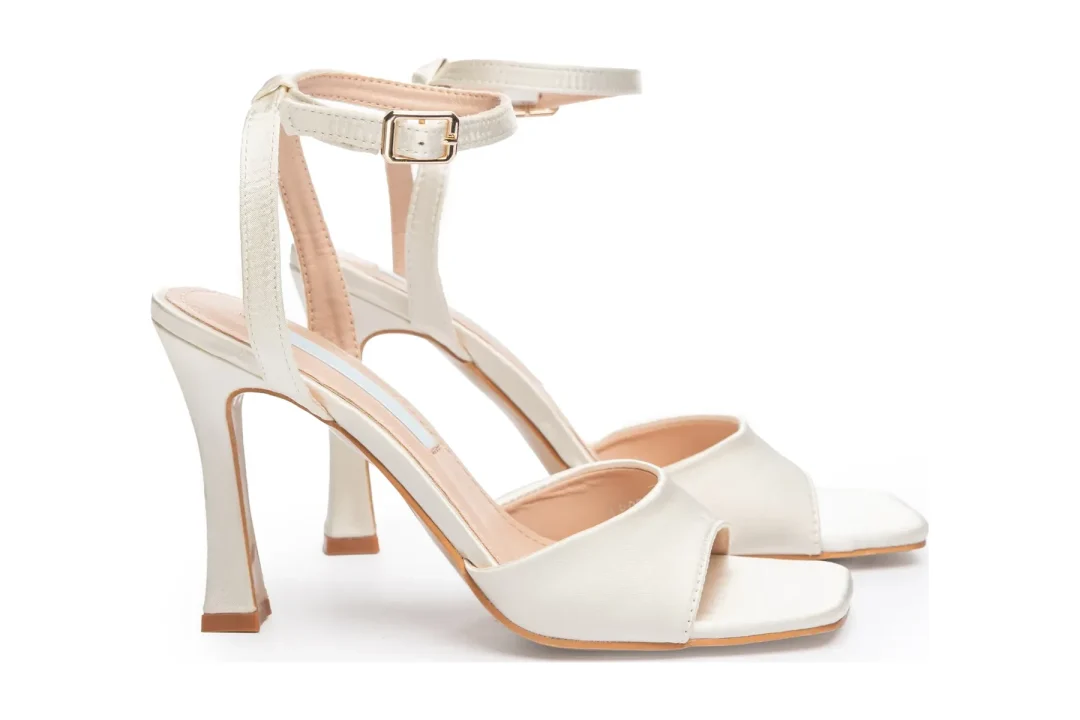
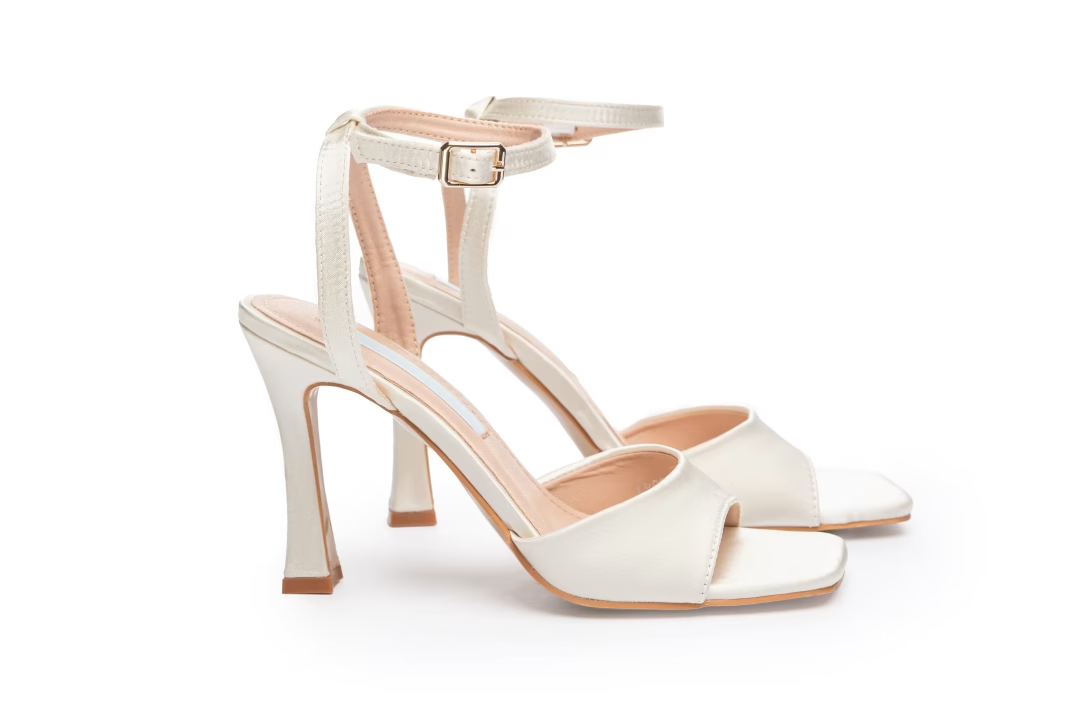
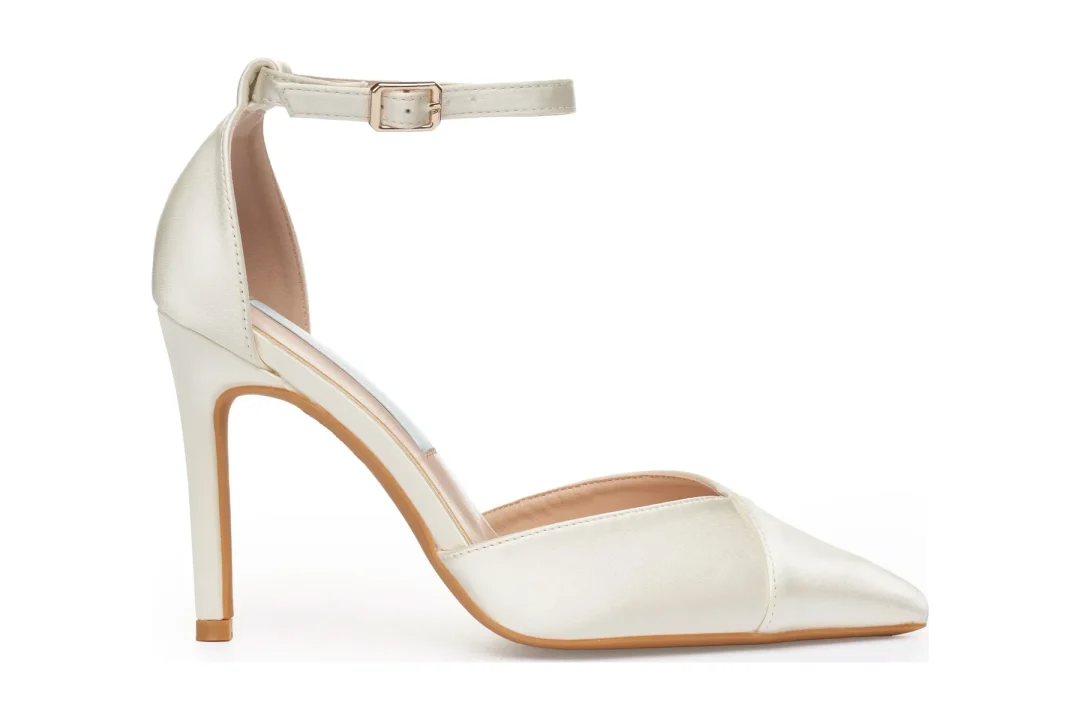
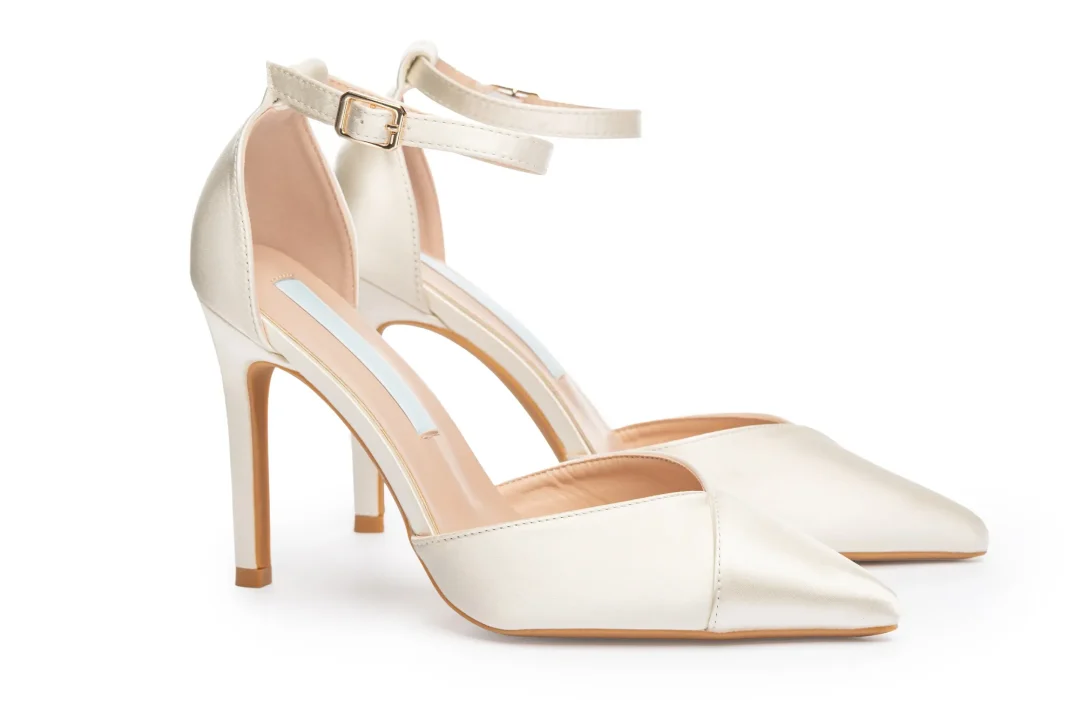
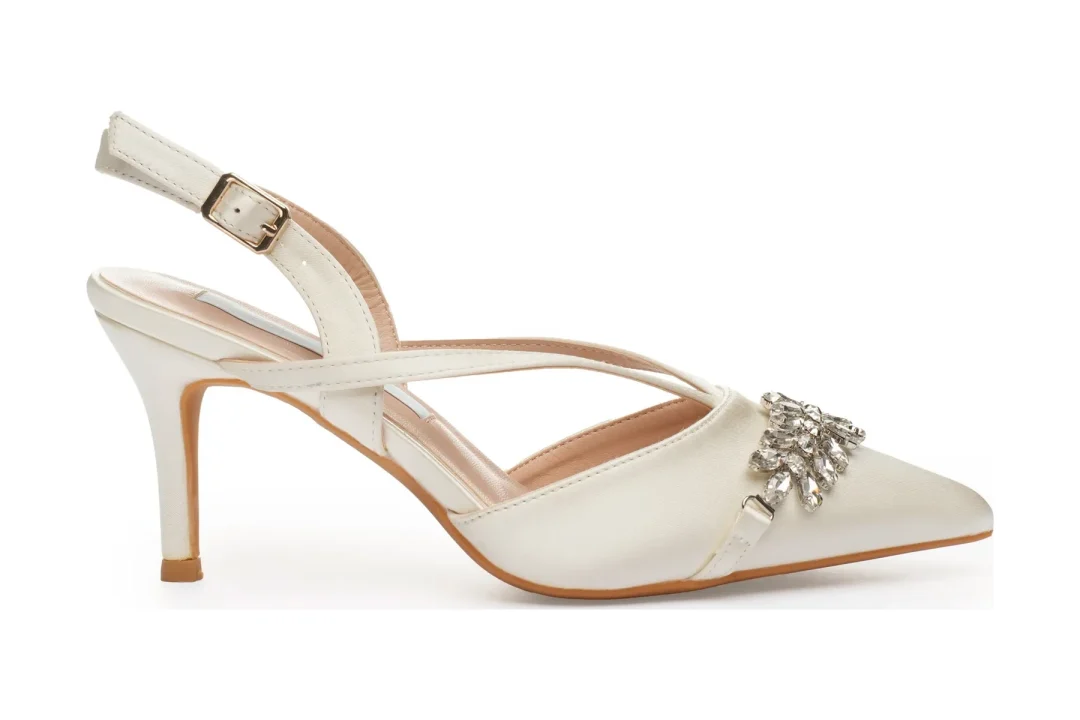
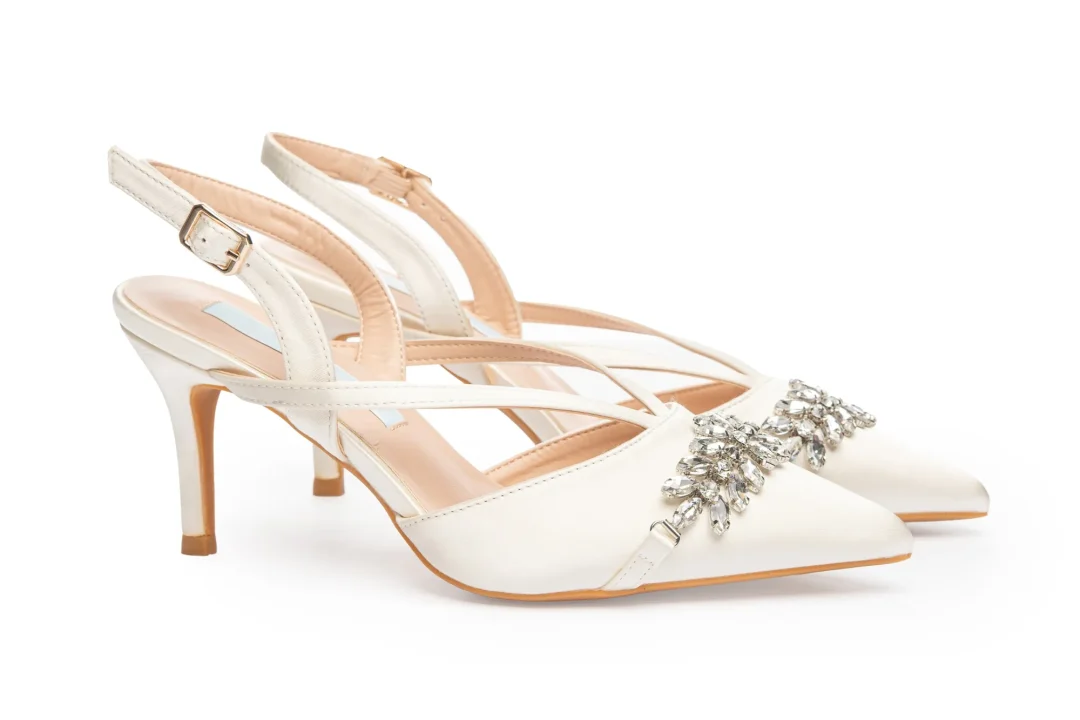
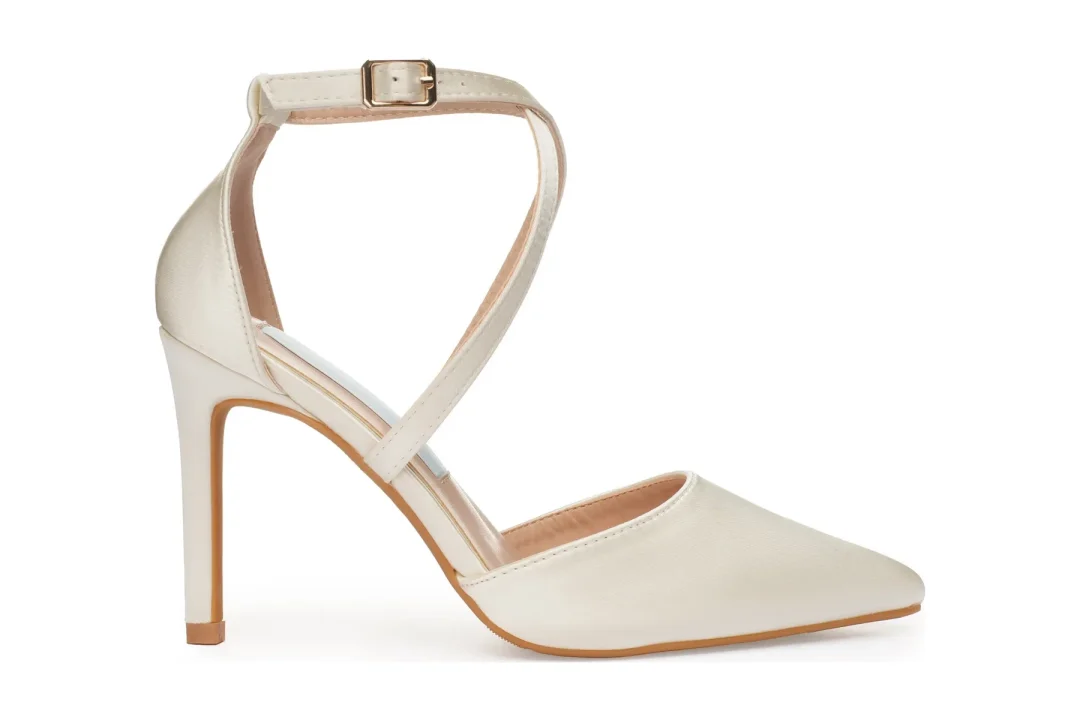
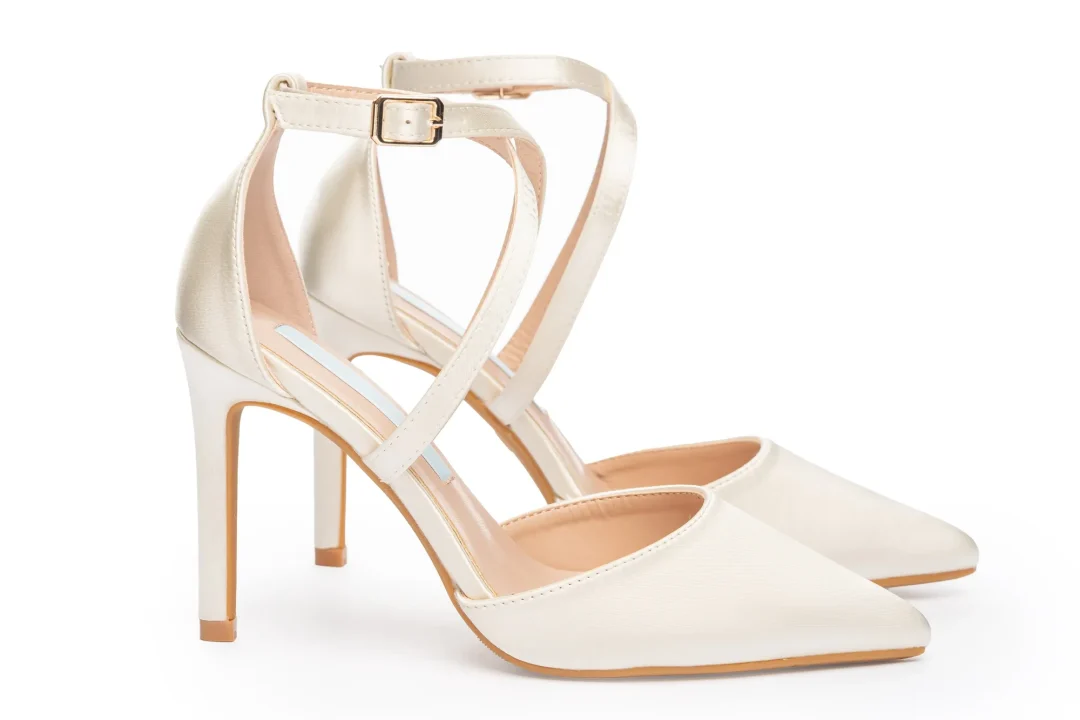
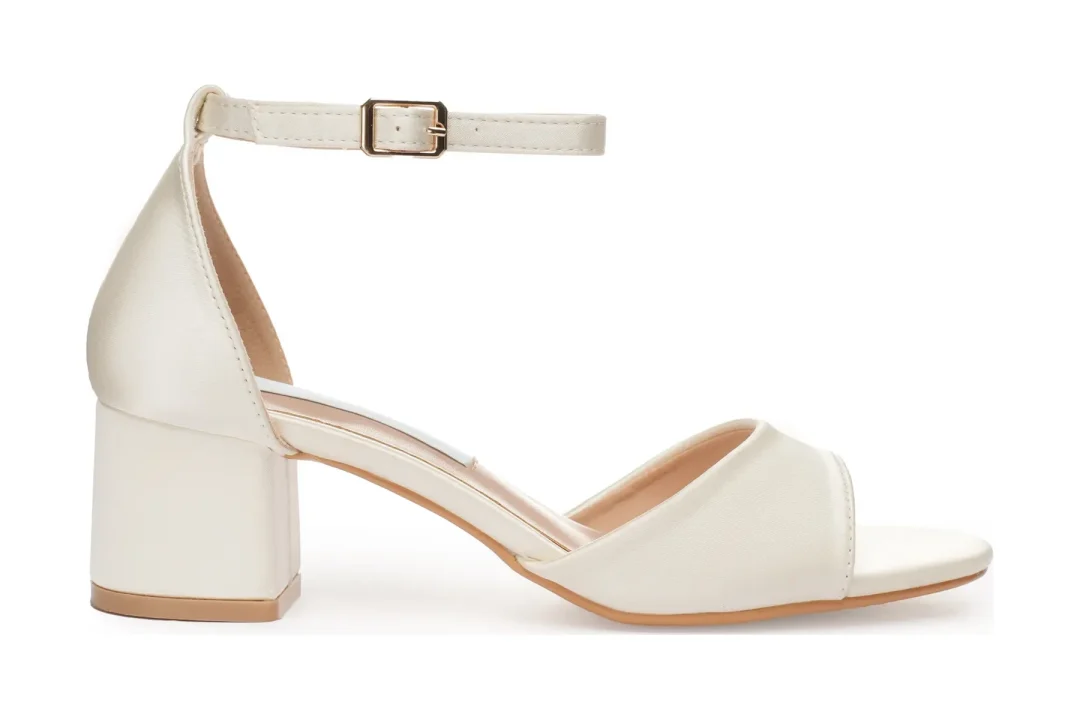
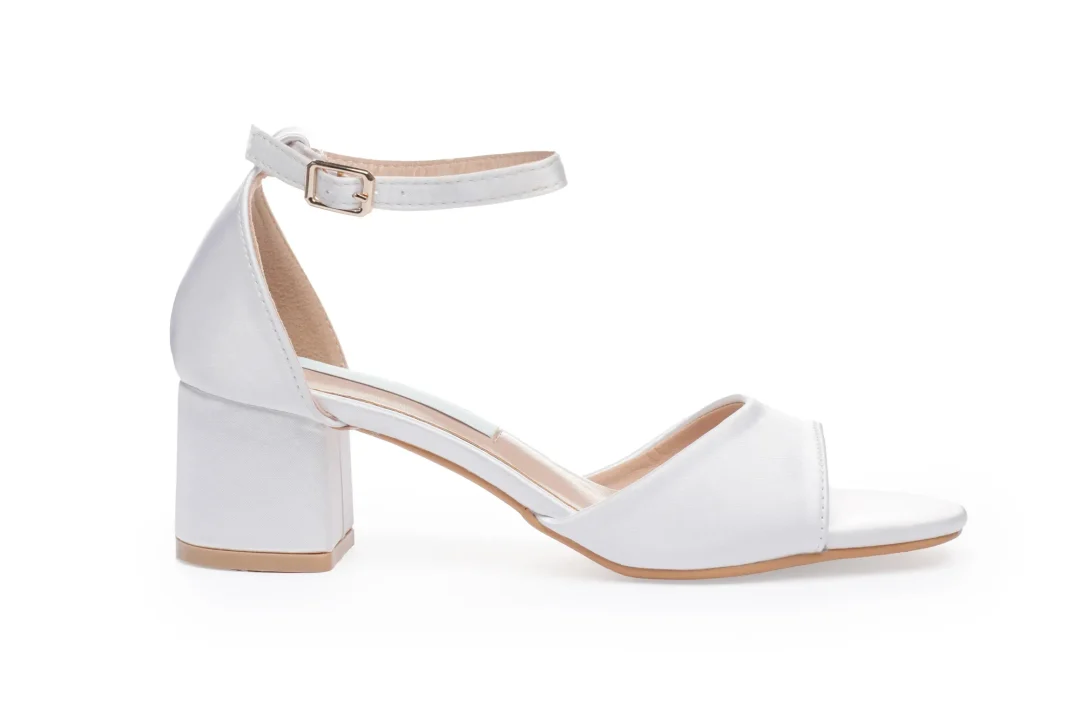


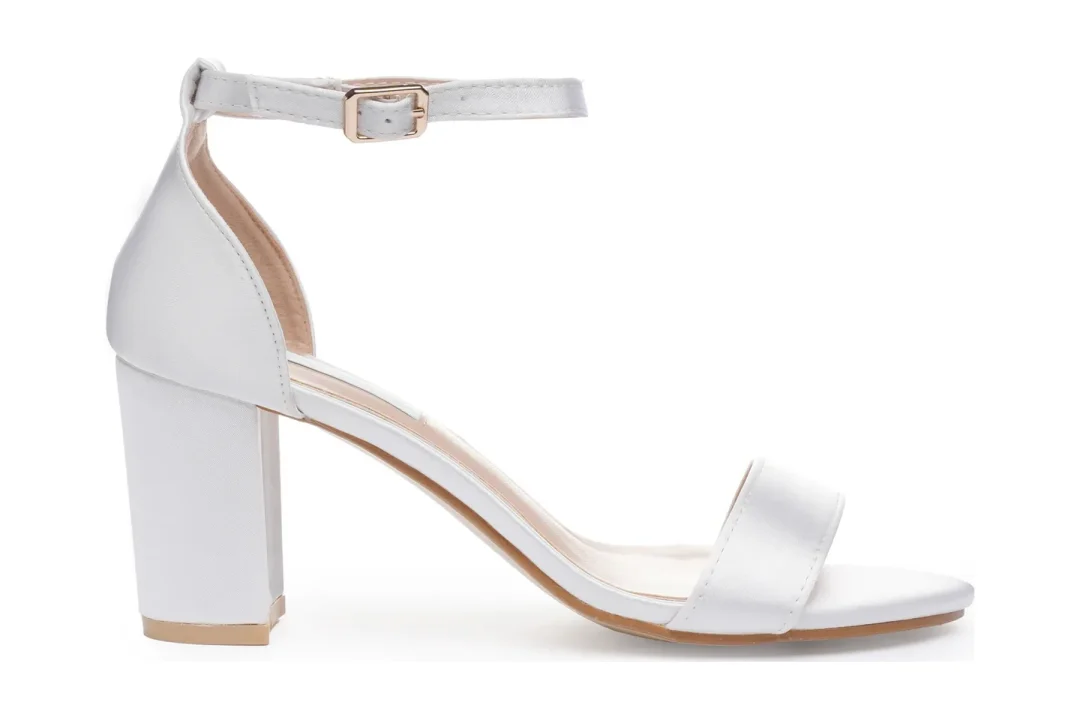
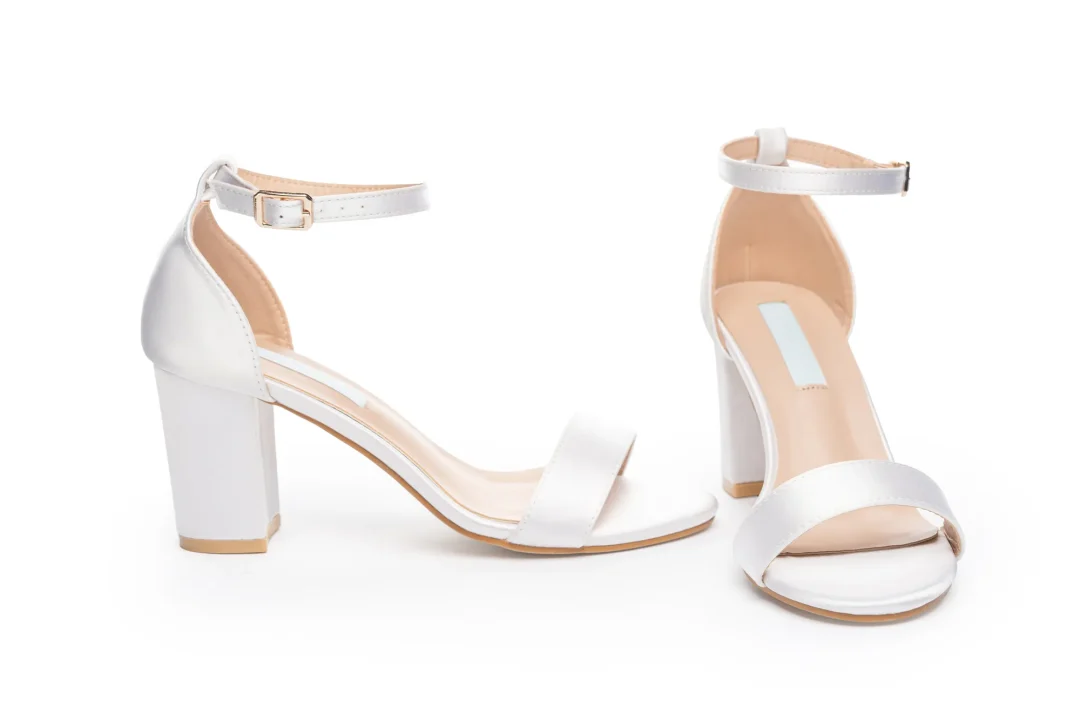
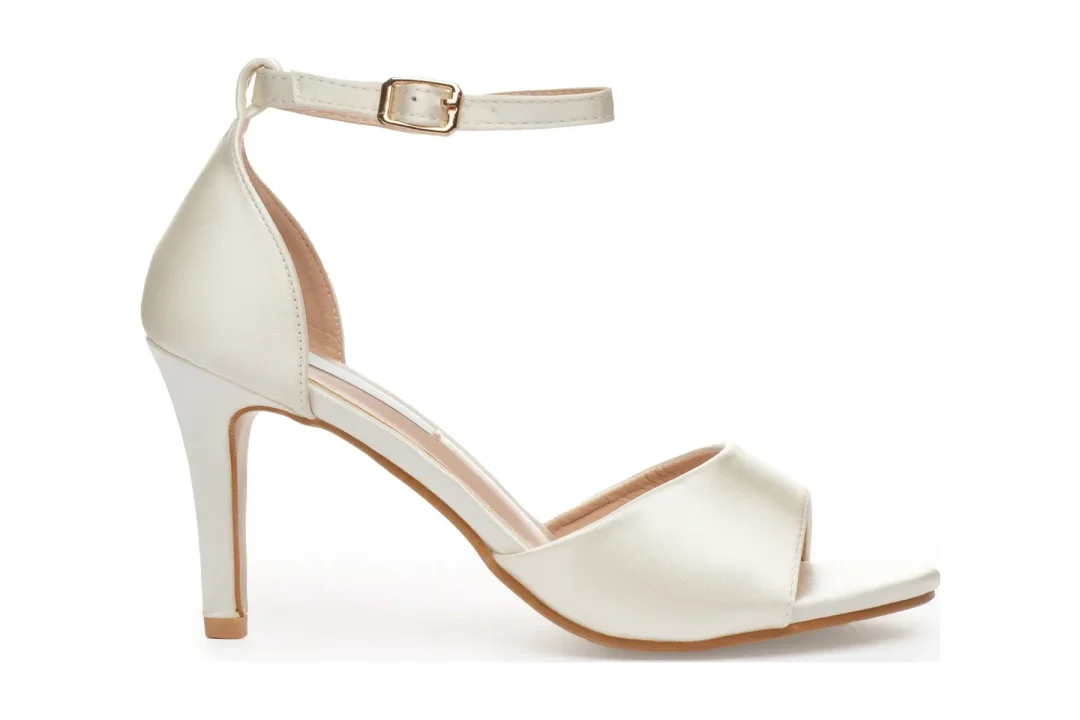
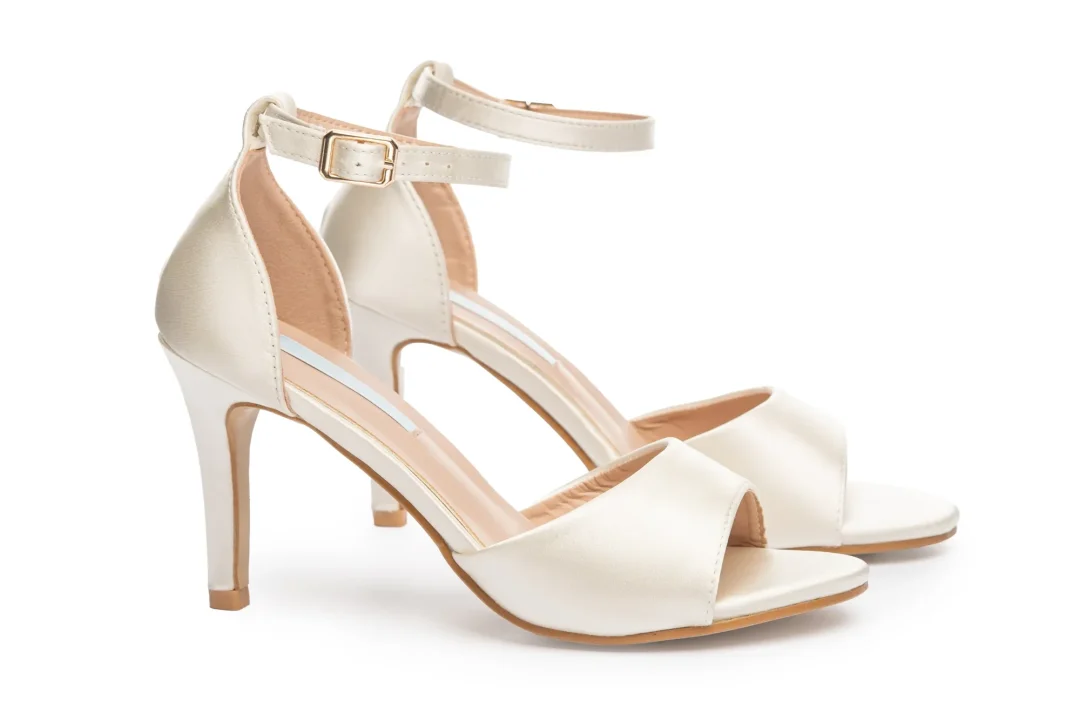
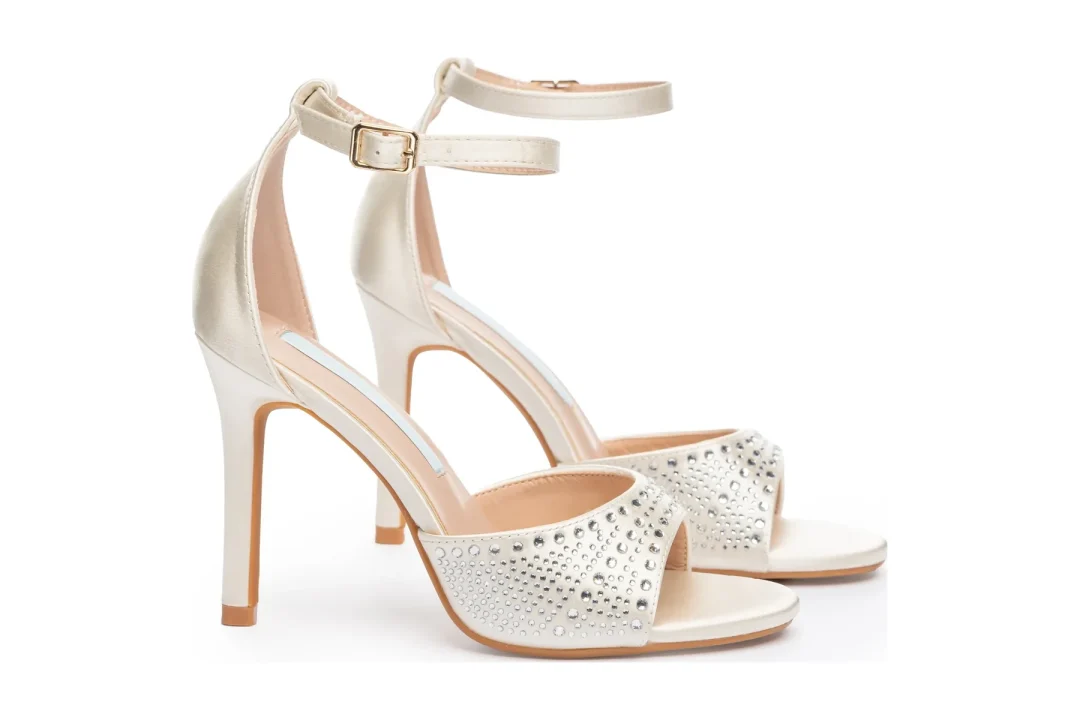
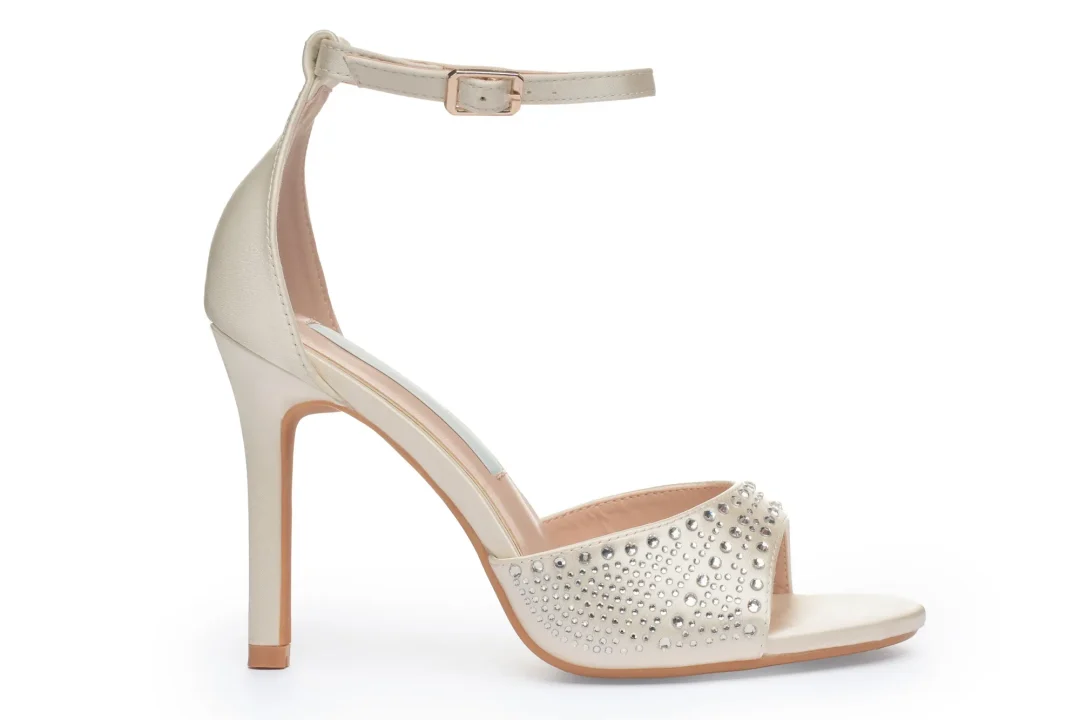
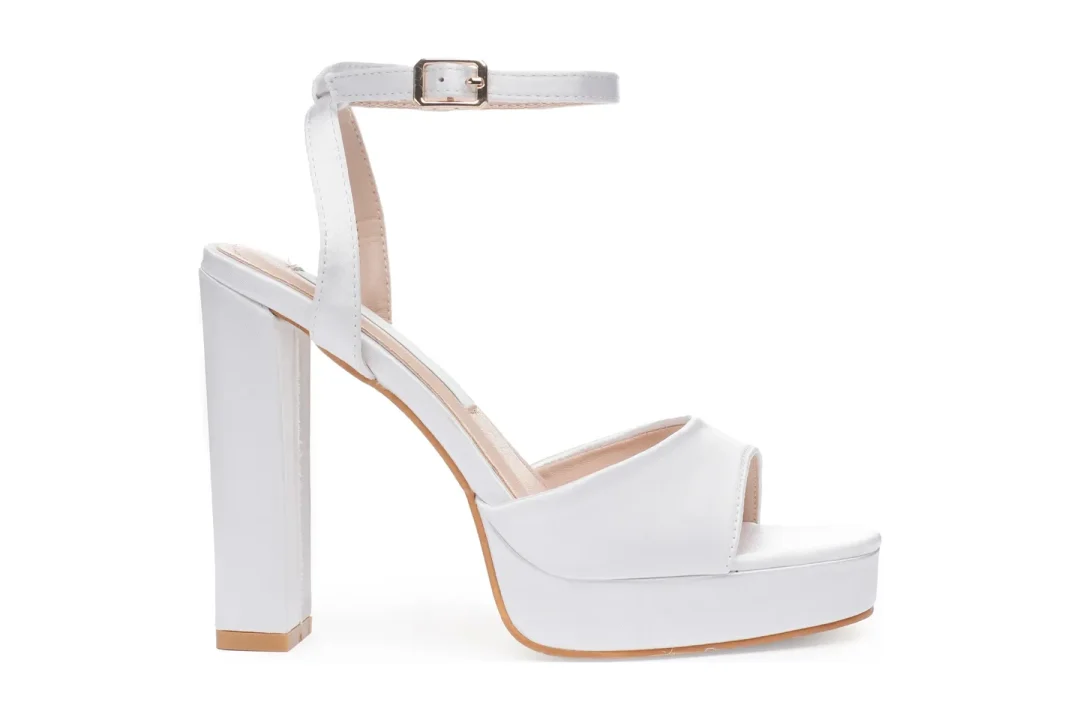
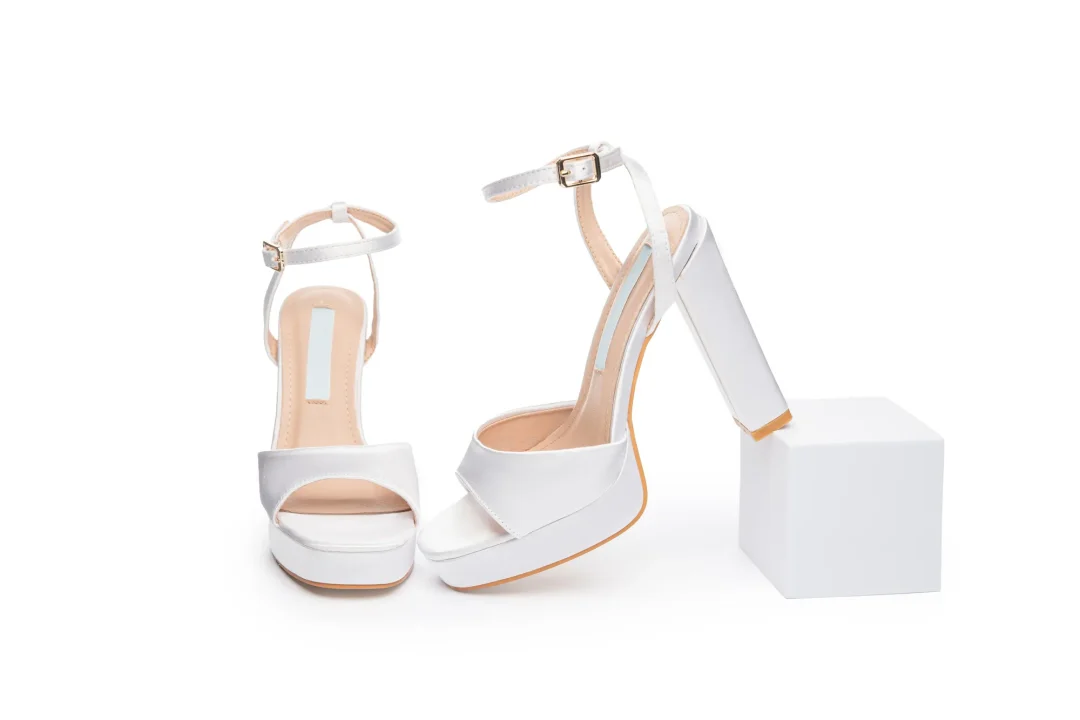
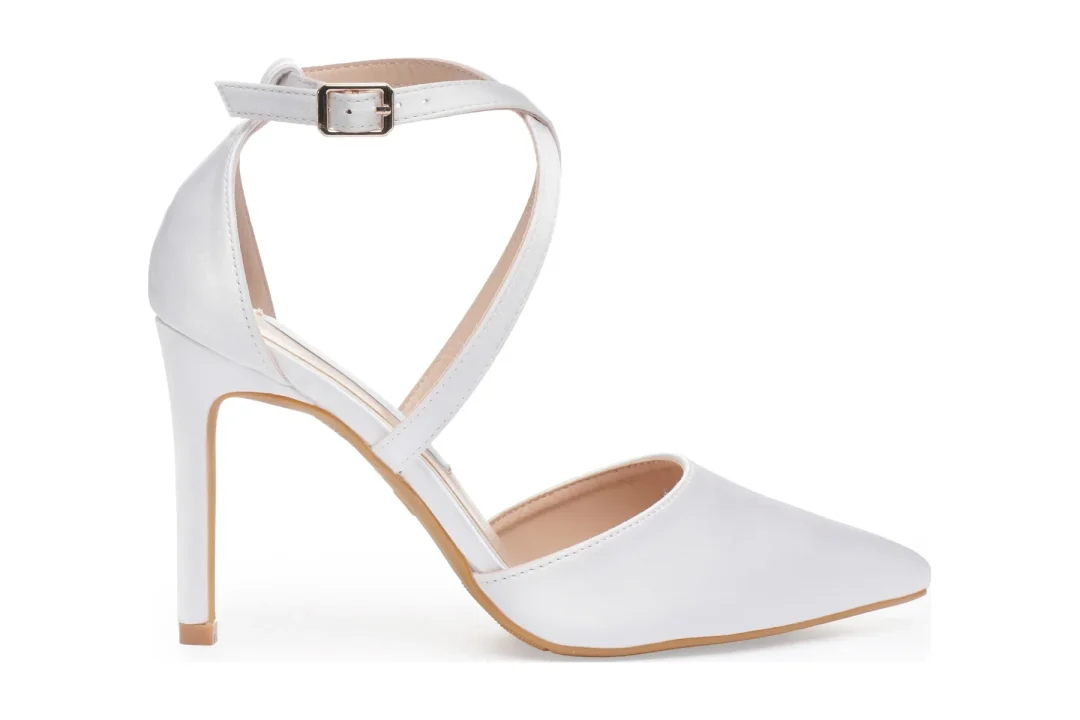

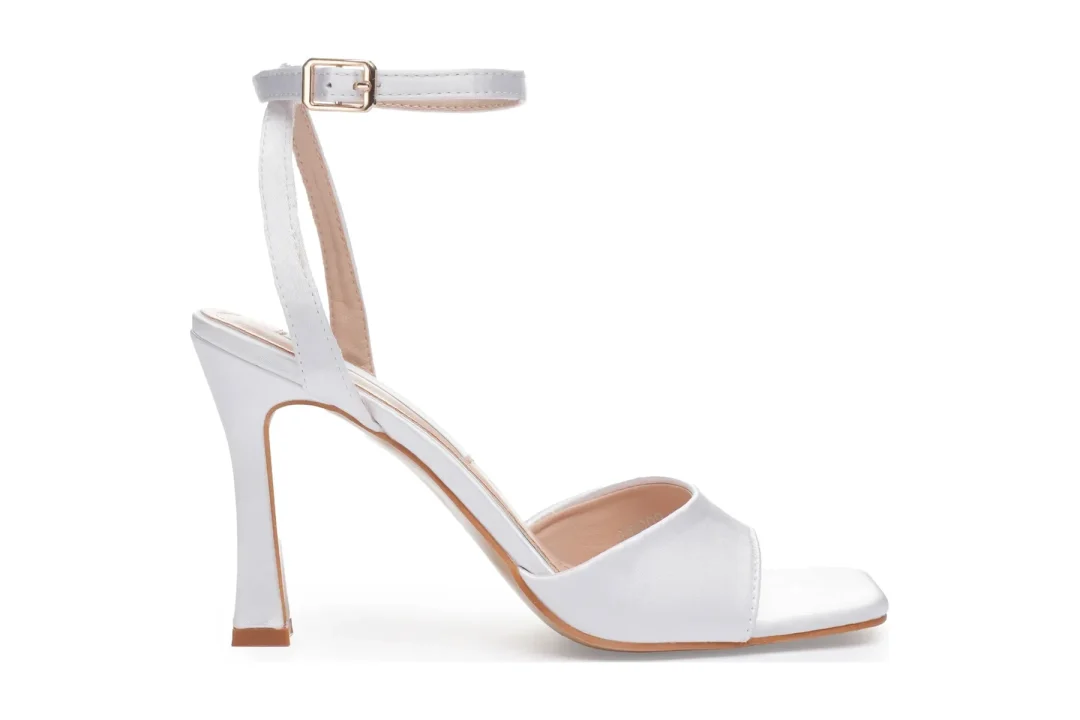
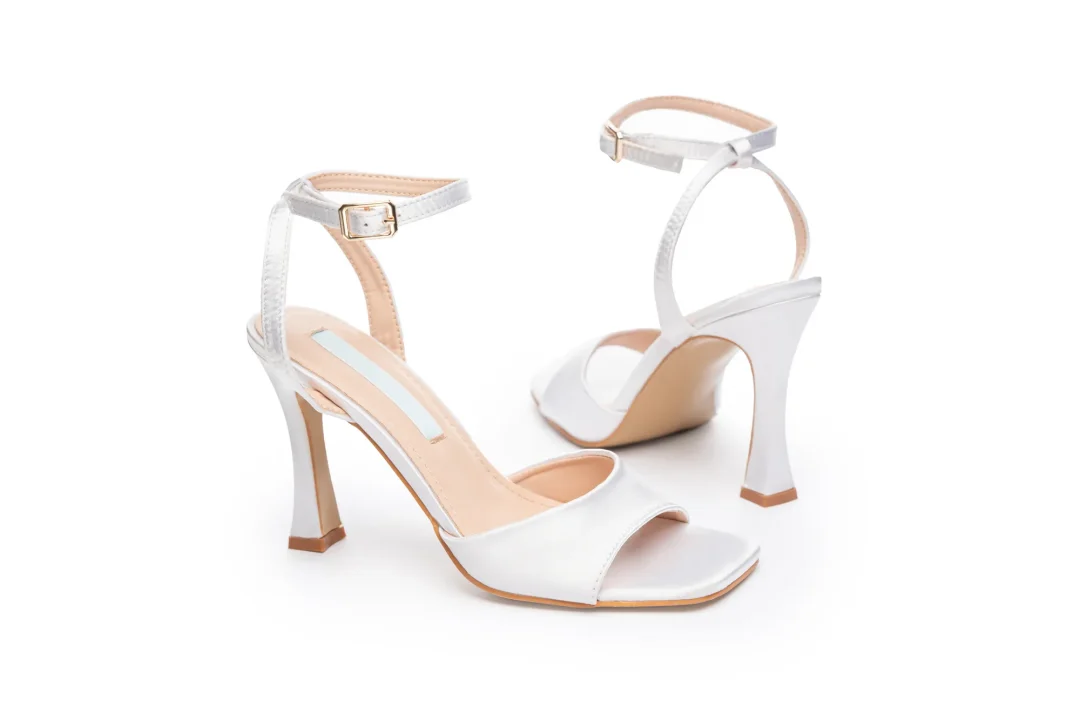
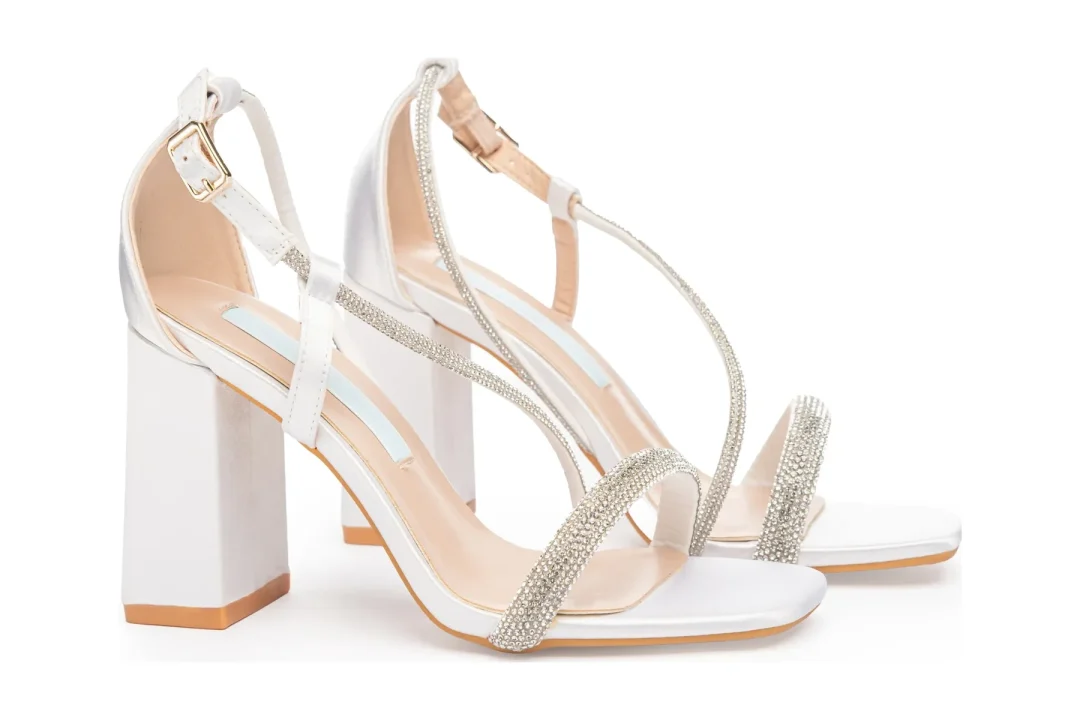
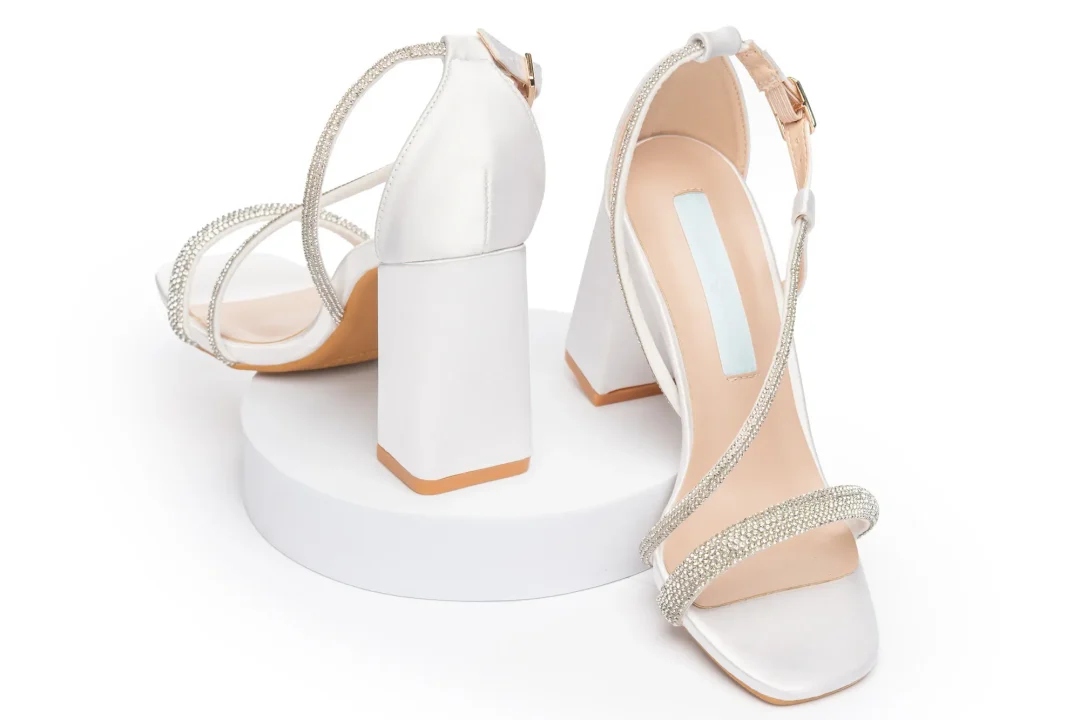
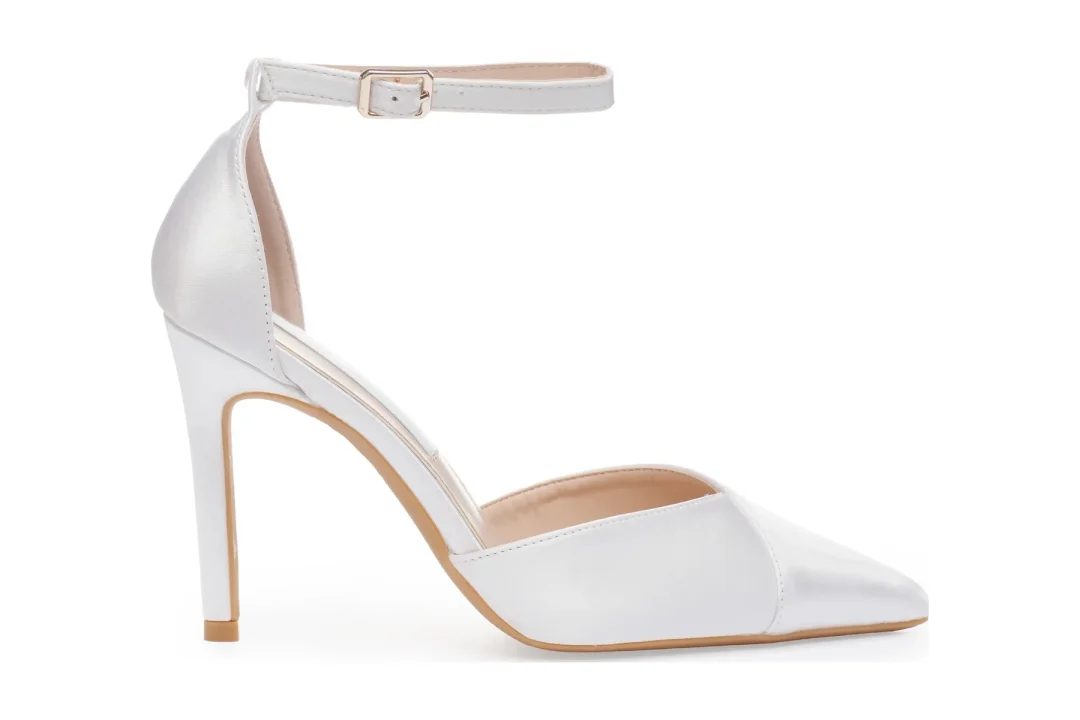
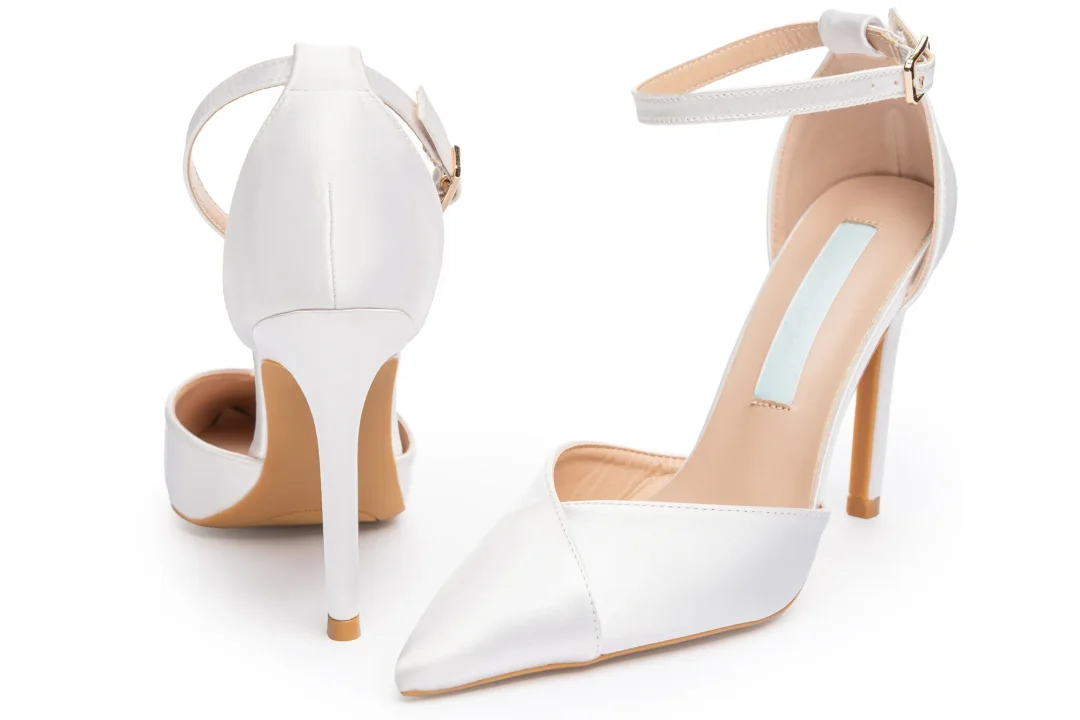
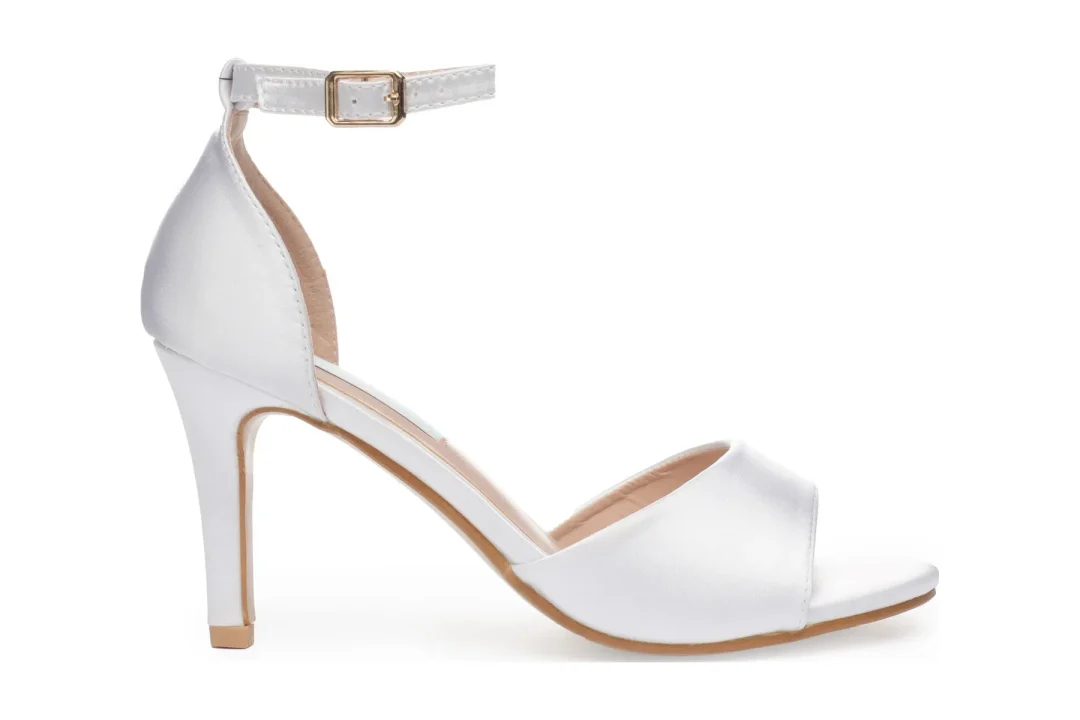
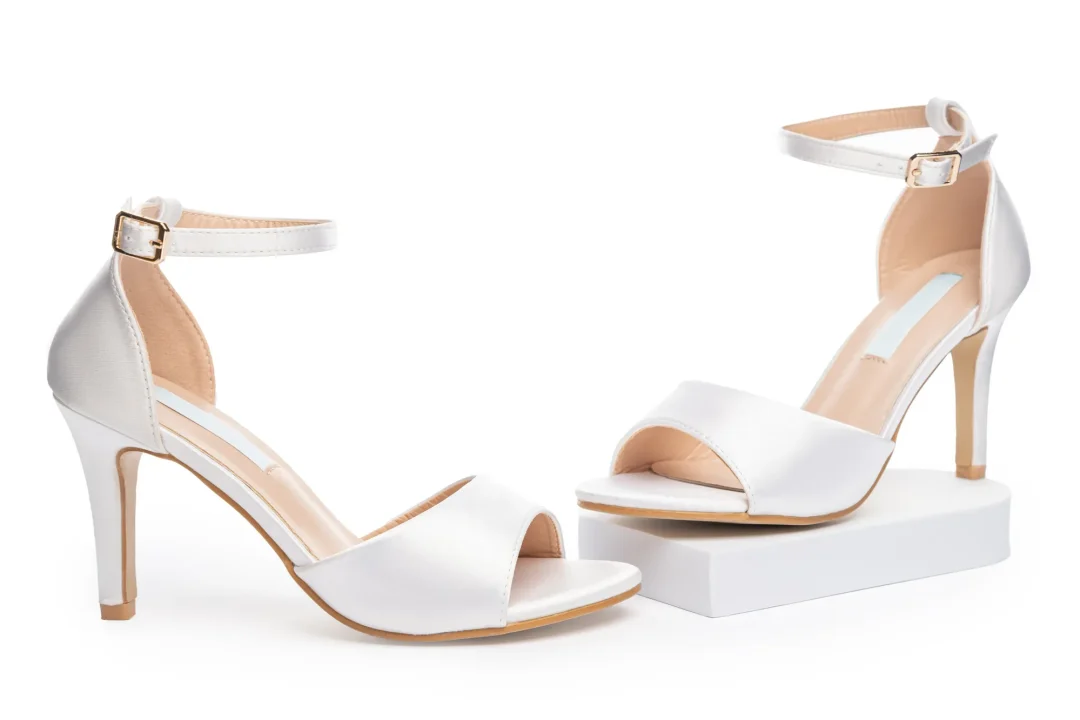
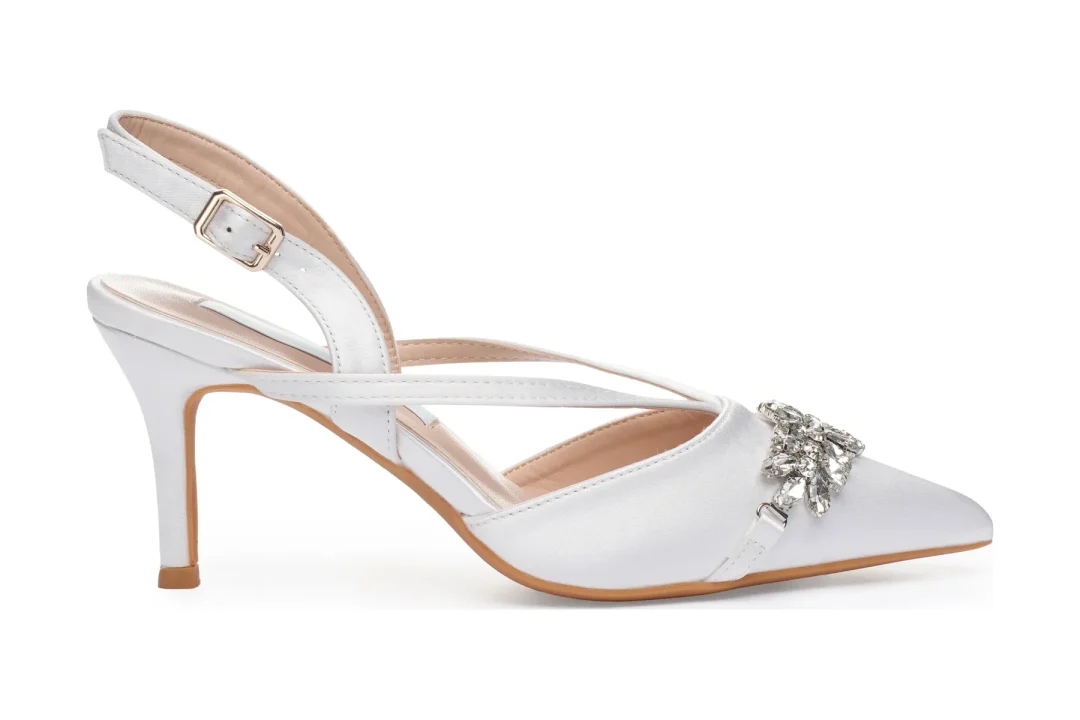
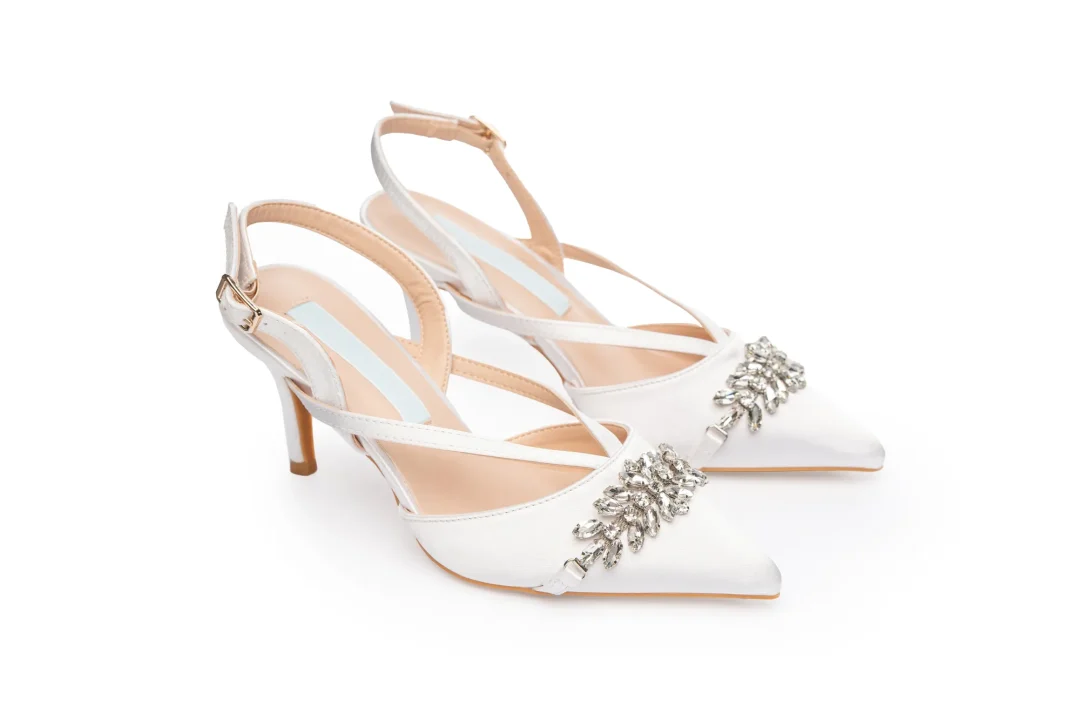
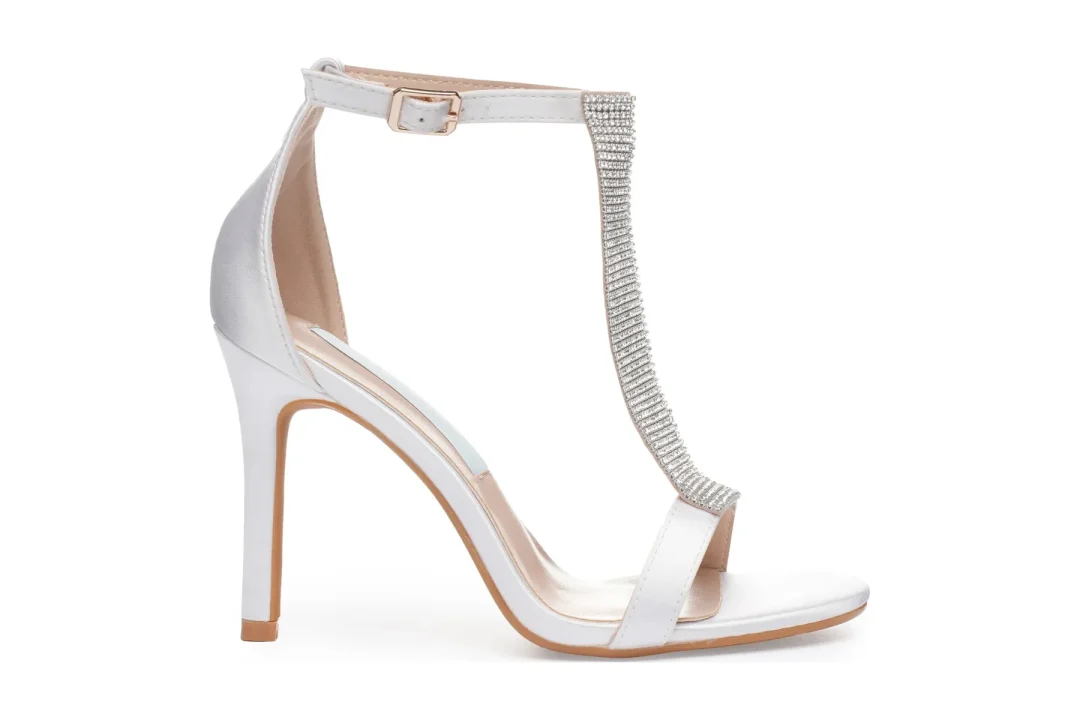
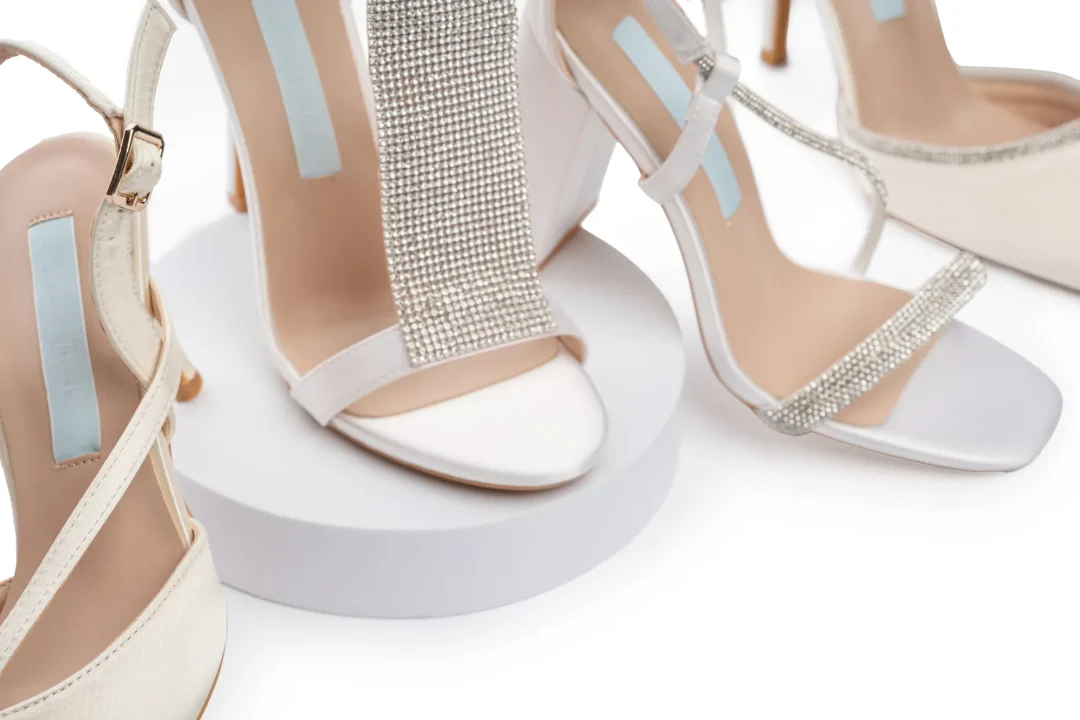
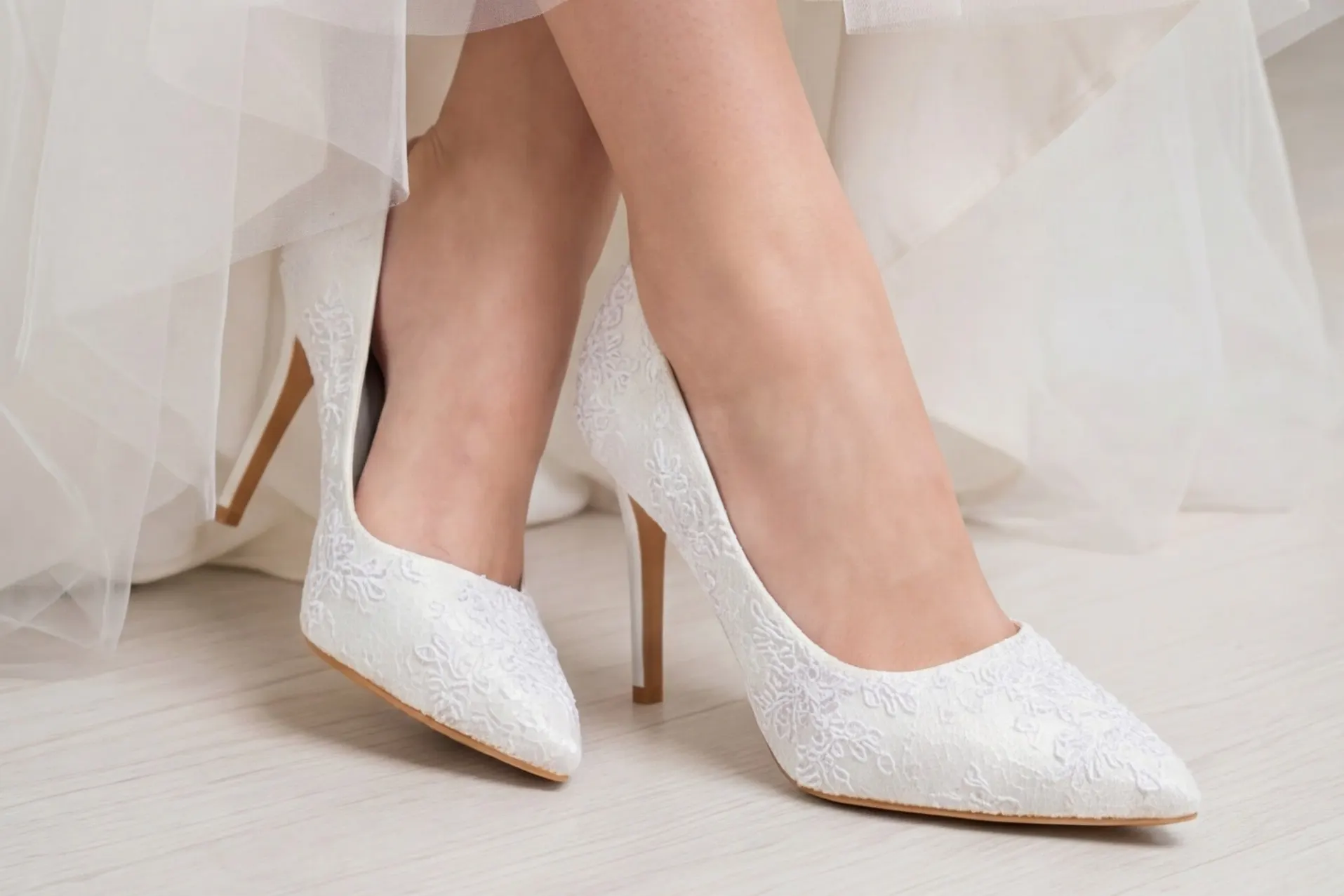
Wedding sandals for the bride — open-toe silhouettes in satin and lace, embellished with crystals, pearls or beads. Available with ankle straps, T-straps, slingbacks and crisscross designs, in heel heights from 2 to 4 inches. The right choice for summer weddings, beach and destination ceremonies, and any bride who wants the foot visible as part of the look.
Frequently Asked Questions About Wedding Sandals
Should I get a pedicure if I'm wearing open-toe wedding sandals?
Yes. With open-toe shoes the toes are visible in every detail shot, ceremony photo and dance floor candid. Schedule the pedicure 1-2 days before the wedding — long enough for any minor irritation to settle, recent enough that the polish stays fresh. Choose a neutral shade (nude, soft pink, classic French) that won't compete with the dress; bold colors can pull focus in close-up photos.
Ankle strap or slingback — which holds better during dancing?
Ankle straps. The strap secures the shoe through the heel-and-ankle joint, which means quick footwork on the dance floor doesn't pop the shoe off. Slingbacks (a thin band around the heel only) hold reasonably well in normal walking but are notorious for sliding loose during dancing. T-straps that anchor over the foot are also reliable. For a sit-down dinner with light dancing, slingbacks are fine; for an active reception, choose ankle.
Are open-toe sandals appropriate for a winter wedding?
For an indoor winter wedding, yes — you'll be in heated venues for most of the day. For an outdoor winter ceremony, exposed toes will be cold and look pinker than usual in photos. The traditional rule is closed-toe for cold months, but it's a soft rule. If you love a particular sandal and the venue is heated, the practical concern is only the few minutes between car and door.
What if my feet are wide — do straps make sandals tighter?
Straps can be more accommodating than enclosed shoes for wider feet because they wrap around natural width rather than constraining it inside a shaped shoe. Look for sandals with multiple thin straps rather than one wide vamp; the multi-strap design distributes pressure. Adjustable buckles (rather than slip-on) let you fine-tune the fit, which matters because feet swell during the day.
Will my toes hang over the edge of the sandal?
Slight overhang is normal in open-toe shoes — the foot's natural shape extends slightly beyond a sole that follows clean lines. Significant overhang (more than a few millimeters) means the shoe is too small. The sole should extend just past the longest toe, with no toe pressing against the front edge. If you're between sizes in sandals, size up rather than down.